Why Water Damage Estimates Vary So Much Between Companies
If you've collected a few bids for water damage restoration and can't figure out why one costs twice as much as another, you're not alone. In Missouri, pricing can swing by thousands depending on who walks through your door. That gap usually isn't about one company ripping you off. It's about each contractor seeing the job differently.
Our team at ABC Environmental Contracting Services gets this question all the time from homeowners across St. Louis. This post breaks down why those numbers vary, how to compare bids fairly, and what to watch for so you don't get burned.
Why Do Water Damage Estimates Differ So Much?
The main reason estimates vary is scope, meaning what each company plans to do and what they leave out. One contractor might price only the visible damage. Another adds moisture testing, antimicrobial treatment, and full drying. A third includes mold prevention the others skipped entirely.
Same house. Three different views of the problem.
Some contractors read the damage differently based on training and years on the job. Others cut the scope on purpose to win your business. They bank on extras later.
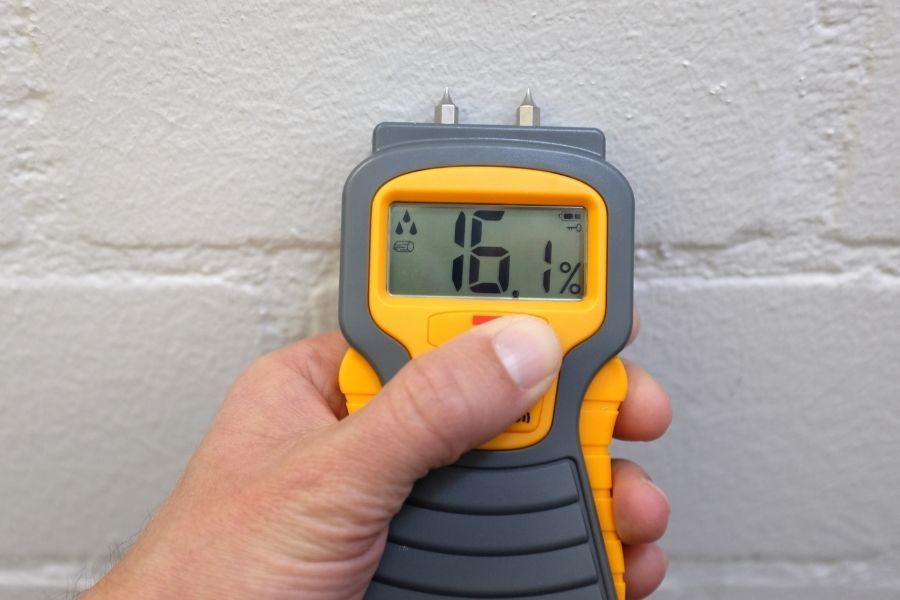
Moisture readings like this determine how much drying equipment goes in and how long it stays.
This is why two honest companies can visit the same flooded basement and give you very different numbers. The IICRC S500 Standard sets rules for this work, but not every crew follows them the same way.
What Factors Drive the Cost of Water Damage Restoration?
Costs depend on the type of water, the materials it touched, and how long it sat before work began. A clean pipe burst on tile is a totally different job than sewage that soaked carpet for two days. When bids don't reflect that gap, something got left out.
Here's what shapes the number on a typical estimate:
- Water type: clean (Category 1), grey (Category 2), or sewage (Category 3) each need different safety steps
- Materials: hardwood, carpet, drywall, and foam all dry differently and cost more or less to fix
- Size of the affected area and how many rooms are involved
- How long the water sat before anyone started cleanup
- Gear: big dehumidifiers and air movers cost more than shop fans from the hardware store
- Whether the bid includes rebuild work or stops at drying
Not sure if your estimates are comparing the same work?
Our team can help you break down what to look for and what should be included in a solid restoration scope.
Talk to Our TeamA company that skips moisture mapping might give you a lower number up front. But if hidden moisture causes mold two weeks later, you pay twice. Our techs use moisture meters and thermal imaging before writing up a scope. What you can't see costs more than what you can.
How to Compare Water Damage Estimates Side by Side
Line up your bids item by item instead of just comparing totals. A $4,000 bid that covers drying, treatment, and rebuild is not the same as a $2,500 bid for extraction only. You need to know what each number buys.

Scope differences show up here, where one company factors in structural repairs another leaves out entirely.
| Line Item | Co. A | Co. B | Co. C |
|---|---|---|---|
| Water extraction | ☐ | ☐ | ☐ |
| Moisture mapping / readings | ☐ | ☐ | ☐ |
| Structural drying (dehumidifiers + air movers) | ☐ | ☐ | ☐ |
| Antimicrobial treatment | ☐ | ☐ | ☐ |
| Content / belongings handling | ☐ | ☐ | ☐ |
| Demolition (flood cuts, carpet removal) | ☐ | ☐ | ☐ |
| Reconstruction / rebuild | ☐ | ☐ | ☐ |
| Insurance docs / direct billing | ☐ | ☐ | ☐ |
When you line things up this way, the price gaps start making sense. The low bid almost always has holes. That's not always a scam, but you should know exactly what steps you're skipping before you sign.
Red Flags in Water Damage Bids
A very low estimate is rarely a deal. It usually means key work got left out. Good contractors know what a job needs before the first fan gets plugged in. When a bid comes in far below the rest, ask what's missing.
Watch for these:
- No mention of moisture testing or daily drying checks
- Vague line items like "water cleanup" with no detail on method or gear
- No antimicrobial treatment listed, especially for grey or black water
- Pressure to sign right away with no time to compare
- No written scope of work at all
The highest bid isn't always the best either. Some companies pad bids with extras you don't need. The best bid matches the real damage, follows EPA cleanup guidelines , and puts it all in writing.
If you've dealt with claim issues after water damage , you know how much good paperwork matters. The right crew documents everything from day one.
Questions to Ask Before Hiring a Restoration Company
Asking the right questions upfront saves you from surprise bills and half-done work. Most people focus on price when their basement just flooded. Makes sense. But a few sharp questions tell you more than any dollar sign.
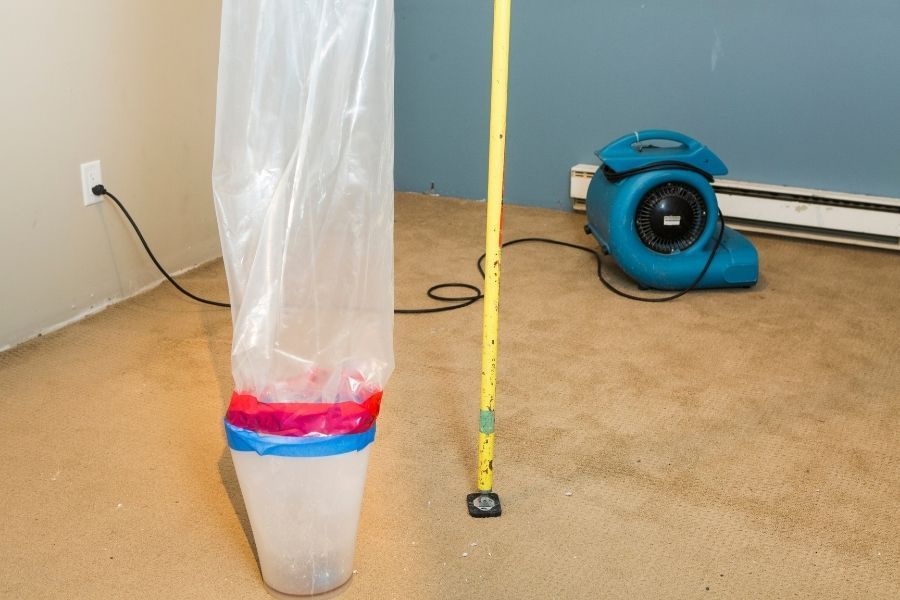
Equipment like air movers and containment barriers add line items that some companies include and others skip.
Before you commit, ask:
- What water category are you calling this, and what does that require?
- How do you know when the structure is fully dry? (Look for "moisture meters," not "we'll check.")
- Is antimicrobial treatment included?
- Will you handle content cleaning and restoration , or is that separate?
- Do you work with insurance on docs and billing?
- What happens if more damage turns up once work starts?
A solid contractor won't dodge these. Knowing how pro extraction gear works helps you spot the gap between a thorough bid and a rushed one.
And if you're torn between fixing damaged stuff or ripping it out, that's where scopes split. Our guide on remediation versus replacement covers how that call affects your total cost.
Frequently Asked Questions
Should I always pick the cheapest water damage estimate?
Not always. The lowest bid often skips key steps like moisture monitoring, antimicrobial treatment, or drying. Compare what each price covers line by line before choosing.
Why does the water category change the price so much?
Water category sets the safety rules. Category 1 (clean water) is simple. Category 2 (grey water) needs germ treatment. Category 3 (sewage or flood water) requires the most work, often including tearing out carpet, drywall, and other soft materials.
How many estimates should I get for water damage work?
Two or three is a solid start. What matters more than the number of bids is what each one actually covers. A clear scope of work tells you more than a round number on a page.
Can my insurance adjuster help me compare restoration bids?
Adjusters can check estimates against pricing software like Xactimate, which sets standard costs for specific tasks. But they judge cost, not quality. You still need to review the scope yourself.
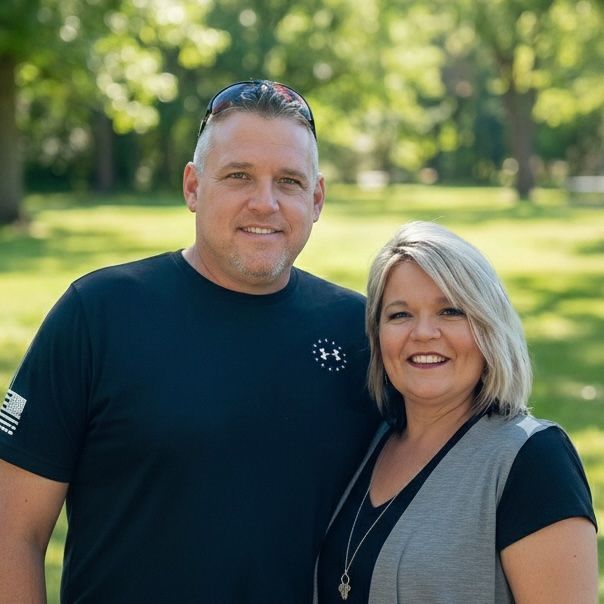
Dan and Tina Benton are the owners of ABC Environmental Contracting Services, a veteran-owned restoration company serving the St. Louis Metro East area. Together, they bring over two decades of expertise in water damage restoration, mold remediation, and asbestos removal for both residential and commercial properties. They're committed to serving their community with integrity and dedication, providing 24/7 emergency response when disaster strikes.