Fire and Water Damage: Why ABC Environmental Handles Both Simultaneously
Jump To:
Here's something most homeowners don't realize until they're standing in their house after a fire: the water damage is often worse than the fire damage itself. Sounds backwards, right? Between firefighting efforts, burst pipes from heat exposure, and moisture trapped in walls and ceilings, water becomes the silent second disaster. That's why our team at ABC Environmental Contracting Services approaches fire and water damage restoration as one coordinated effort, not two separate jobs.
With over 20 years of combined experience serving St. Louis and the Metro East, we've seen how treating fire and water damage separately leads to missed problems, longer timelines, and higher costs. Let's walk through why these two types of damage are so closely connected.
Why Fire Damage Always Comes With Water Damage
During a house fire, firefighters pour thousands of gallons of water onto and into your home. That water doesn't just disappear when the flames go out. It soaks into framing, saturates insulation, pools on subfloors, and seeps into areas you can't see.
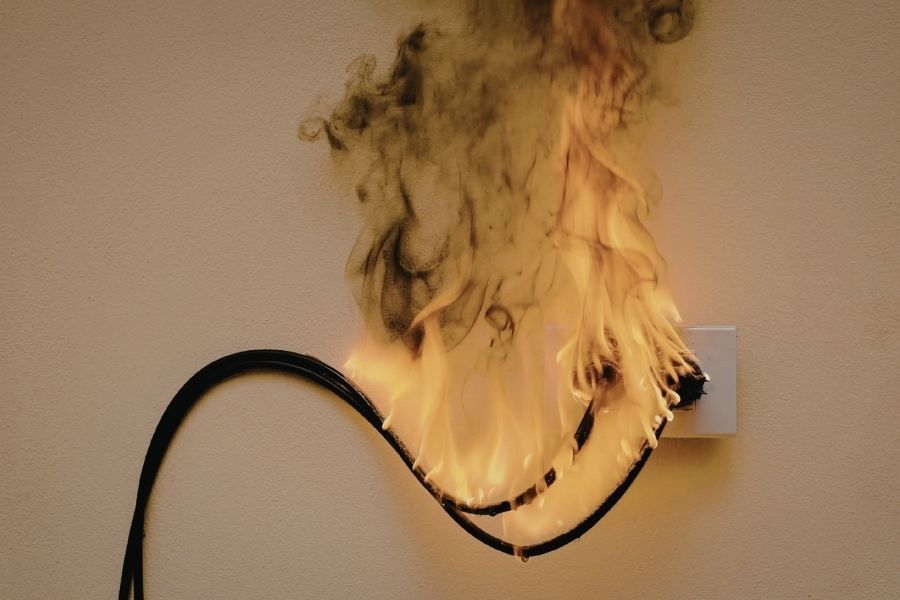
Electrical fires cause hidden damage behind walls, making thorough assessment essential during restoration.
Firefighting water is only part of the story. Fires routinely damage plumbing lines, burst pipes through heat exposure, and compromise roofing materials that allow rainwater in. According to the IICRC S700 Standard for fire and smoke restoration, addressing water damage is one of the first priorities after a fire because uncontrolled moisture creates a cascade of secondary problems.
In our experience across the STL area, nearly every fire restoration project involves significant water damage. Sometimes the water portion accounts for more of the overall repair cost than the fire itself.
Priority Sequencing: What Gets Addressed First
Fire and water damage restoration isn't a "pick one, then do the other" situation. It requires careful priority sequencing, knowing exactly which tasks need to happen first based on conditions in your home.
| Phase | Priority Actions | Why It Can't Wait |
|---|---|---|
| Immediate (0 to 24 hrs) | Emergency water extraction, board-up, structural safety check | Standing water accelerates structural damage and mold |
| Critical (24 to 72 hrs) | Structural drying, smoke/soot assessment, content removal | Soot hardens over time and moisture feeds mold growth |
| Active (3 to 14 days) | Soot/smoke cleanup, odor treatment, moisture monitoring | Smoke particles penetrate deeper into materials daily |
| Restoration (2 to 6 weeks) | Rebuild, replace, restore materials and finishes | Can't rebuild until drying and decontamination are verified |
Notice how water extraction comes before smoke cleanup? Soot on a wet surface is far more difficult to clean than soot on a dry surface. And wet materials left sitting will grow mold within 48 hours in St. Louis humidity. So the water has to go first, even though the fire feels like the bigger problem.
Dealing With Fire and Water Damage?
Our veteran-owned team is available 24/7 for emergency restoration across the St. Louis metro area.
Get Help NowPreventing Secondary Damage Between Fire and Water
Secondary damage is what develops after the initial event. When fire and water damage are both present, the risk multiplies fast.
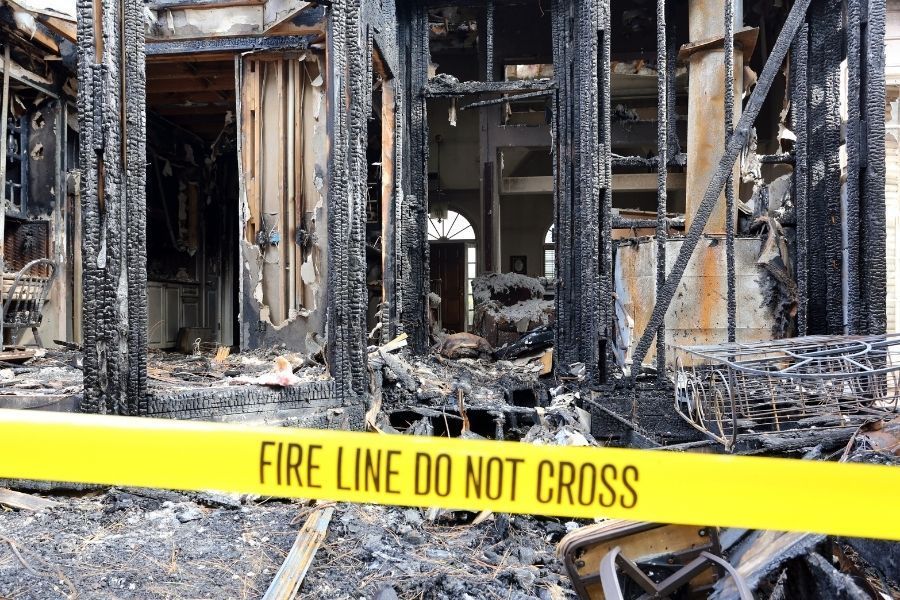
Structural fire damage often conceals water damage behind walls, where moisture goes undetected without professional equipment.
Here's what we commonly see when fire and water damage aren't addressed together:
- Mold growth behind fire-damaged walls. Firefighting water gets trapped inside wall cavities. If the focus is only on visible fire damage, that hidden moisture goes untreated.
- Warped subfloors under charred flooring. Standing water underneath is what causes the subfloor to buckle and rot over weeks.
- Corroded electrical and HVAC systems. Heat damage, moisture, and soot particles accelerate corrosion in wiring and ductwork.
- Permanent smoke odor locked in by moisture. Smoke particles bond to wet surfaces more aggressively. Drying materials first makes odor removal significantly more effective.
A contractor who handles both fire and water damage as a single coordinated process prevents these secondary problems from ever developing. You can't afford to wait on one while addressing the other.
Why a Coordinated Restoration Approach Matters
We get calls from homeowners who hired one company for fire cleanup and another for water damage. Weeks later, they're calling us because mold showed up, odors won't go away, or their insurance claim turned into overlapping invoices and finger-pointing between contractors.
A coordinated approach means one team manages everything from the moment they walk through your door. That team understands how fire and water damage interact, where to look for hidden problems, and how to sequence every step so nothing gets missed.
Coordinated Restoration vs. Separate Contractors
Single Team Approach
✓ One project timeline
✓ No gaps between fire and water work
✓ Streamlined insurance documentation
✓ Lower secondary damage risk
Separate Contractors
✗ Competing timelines
✗ Gaps where damage goes untreated
✗ Overlapping invoices
✗ Higher risk of missed problems
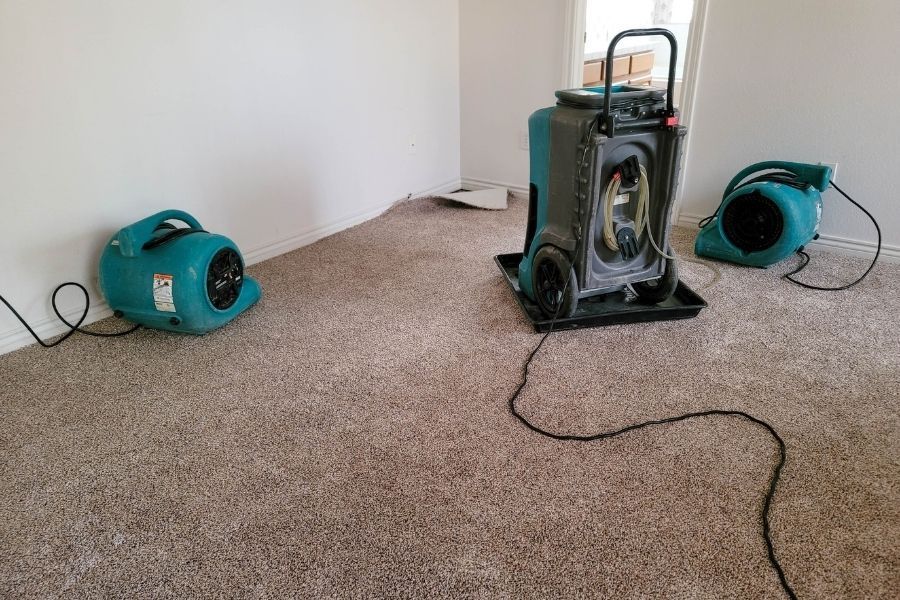
Industrial drying equipment during active moisture removal, a critical step that must happen before smoke cleanup can begin.
At ABC Environmental Contracting Services, we handle fire damage, water damage, smoke removal, and mold remediation under one roof. One point of contact, one insurance process, and one team that knows exactly where your project stands. The USFA's "After the Fire" guide recommends working with experienced professionals who can assess all types of damage simultaneously, and that's exactly how we operate.
If your home has suffered fire and water damage in the St. Louis area, don't wait. Contact our team for a 24/7 emergency response. We'll assess both types of damage on the same visit and build a plan to get your home restored.
For more on how professional equipment works during water emergencies, read our post on the science behind professional water extraction. And if you're weighing repair versus replacement decisions, our guide on choosing between remediation and replacement can help.
Frequently Asked Questions
Does insurance cover water damage from firefighting?
In most cases, yes. Homeowner's insurance policies typically cover water damage resulting from firefighting efforts as part of the overall fire claim. The key is documenting the water damage thoroughly before cleanup begins and working with a restoration company that provides detailed reports for your adjuster.
How quickly does mold grow after a house fire?
Mold can begin growing within 24 to 48 hours after water exposure, and this timeline speeds up in St. Louis humidity. Because fires leave behind significant water from firefighting hoses, the mold risk is extremely high if extraction and drying don't start immediately.
Can I clean soot and smoke damage myself?
We strongly recommend against DIY soot cleanup. Soot contains acidic compounds that cause permanent surface damage if cleaned improperly, and smoke particles embed deeply into porous materials. Professional technicians use specialized equipment designed for fire residue. Improper cleaning can spread soot and make things worse.
Why does water extraction happen before smoke cleanup?
Water extraction takes priority because standing water causes rapid structural deterioration and mold growth. Soot also bonds more aggressively to wet surfaces. Extracting water and drying materials before soot removal produces better results in less time with less material loss.
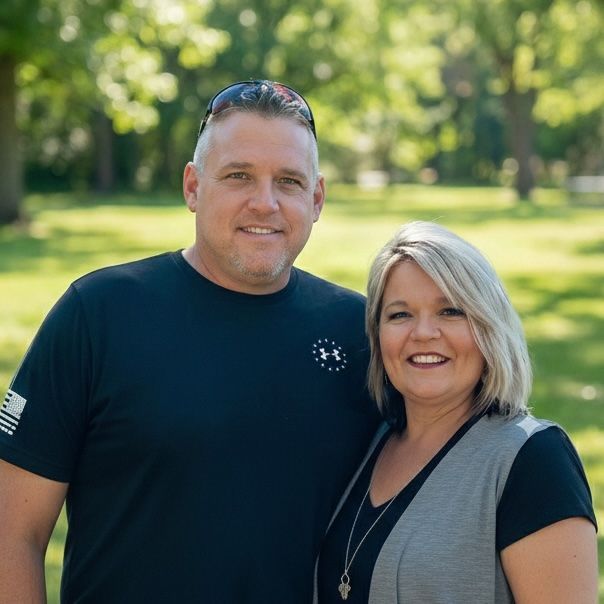
Dan and Tina Benton are the owners of ABC Environmental Contracting Services, a veteran-owned restoration company serving the St. Louis Metro East area. Together, they bring over two decades of expertise in water damage restoration, mold remediation, and asbestos removal for both residential and commercial properties. They're committed to serving their community with integrity and dedication, providing 24/7 emergency response when disaster strikes.