The Complete Guide to Asbestos-Safe Renovation Planning
Jump To:
Renovating an older home is exciting. But that excitement fades fast when you learn the walls you planned to knock out might contain asbestos.
If your St. Louis area home was built before 1980, there's a real chance that drywall, flooring, or ceiling materials have asbestos in them. Getting professional asbestos removal done before demo begins isn't just smart planning. It's the law in Missouri.
At ABC Environmental Contracting Services, we've spent over 20 years helping homeowners across the St. Louis metro area navigate asbestos during renovation projects. This guide walks through the three areas that matter most: pre-renovation testing, contractor selection, and project sequencing.
Why Does Asbestos Testing Matter Before a Renovation?
Missouri law says you must test for asbestos before starting work on most buildings, and skipping it puts you at real legal and health risk. The state requires a certified inspector to check any areas your project will touch. Samples go to a lab before anyone swings a hammer.
Here's why this matters. Asbestos fibers are so small you'd never know they're there. You can't see them floating in the air, and you won't smell or taste anything wrong. But once you cut, drill, or tear apart materials that contain them, those fibers float around for hours.
Anyone breathing that air is at risk. And the health effects are no joke. The EPA's asbestos overview names three major dangers: lung cancer, mesothelioma, and asbestosis. These problems can take decades to show up, so a short renovation can cause harm 20 or 30 years later.
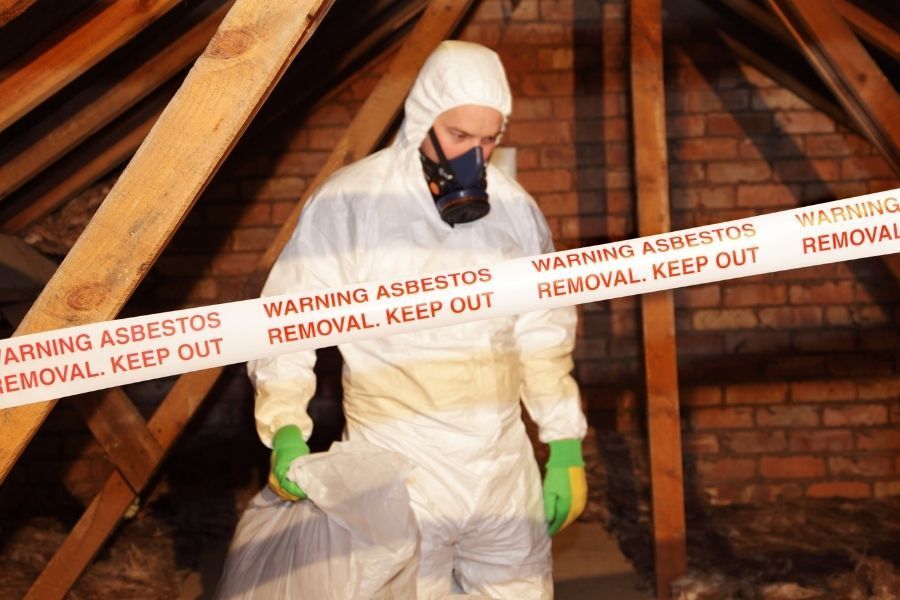
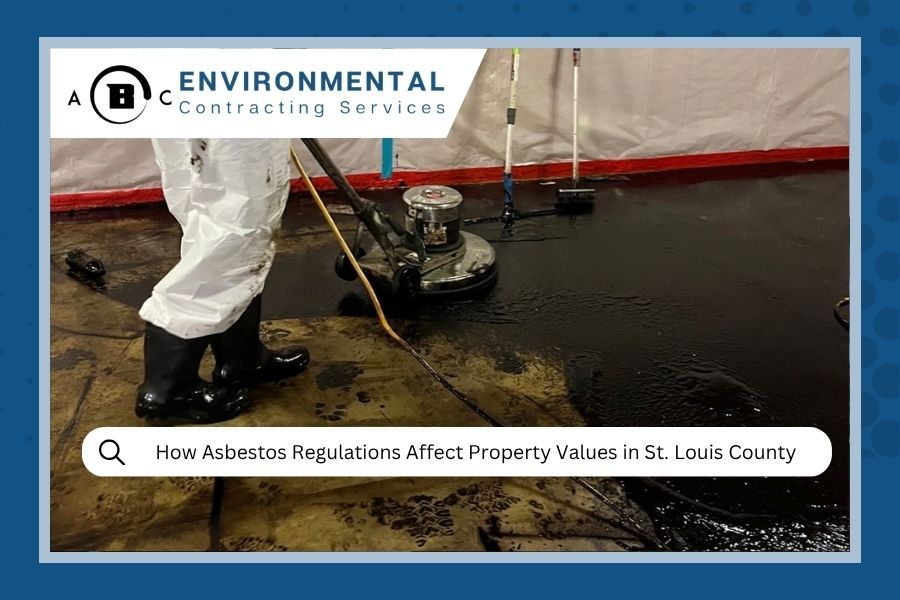
Licensed abatement crews work in full containment to keep fibers from spreading to the rest of the home.
Testing also protects your renovation budget. Discovering asbestos mid-project means work stops, the area gets sealed, and a licensed abatement crew comes in. That unplanned interruption costs time and money. Getting testing done upfront lets you build abatement into your plan from the start.
Where Does Asbestos Hide in Older St. Louis Homes?
Asbestos showed up in dozens of building products through the 1970s, and many of them are still sitting in St. Louis area homes. Most homeowners are surprised at how many common materials can test positive. Knowing where asbestos hides in older homes helps you understand what your inspector will look for.
Common locations include:
- Popcorn and acoustic ceiling textures applied before 1980
- Vinyl floor tiles (especially 9x9 inch tiles) and the black mastic adhesive underneath
- Pipe insulation and duct wrap in basements and mechanical rooms
- Drywall joint compound and textured wall coatings
- Insulation around boilers, furnaces, and hot water tanks
- Cement board siding and roofing shingles
- Fireproofing material in older commercial buildings
Many St. Louis homes built between the 1940s and 1970s have asbestos in multiple rooms. A kitchen remodel might turn up asbestos in the floor tile, the drywall compound, and the pipe insulation behind the wall. That's three materials that all need testing before demo starts.
Planning a Renovation in the St. Louis Area?
Get asbestos testing and removal handled before your project starts. Our certified team walks you through the entire process.
Schedule Your InspectionHow Do You Choose the Right Asbestos Removal Contractor?
In Missouri, asbestos removal contractors must be registered with the state, and every worker on a regulated job needs a current certification. This isn't optional. The Missouri DNR's fact sheet on renovation projects is clear: if your project hits 160 square feet, 260 linear feet, or 35 cubic feet of regulated material, you need a registered crew.
Beyond the legal minimums, here's what separates a good asbestos contractor from a risky one:
Ask about containment. A good contractor will explain how they seal off the work area with plastic sheeting, negative air pressure, and HEPA filters. If they can't walk you through their setup, keep looking.
Check their air monitoring. Pro abatement jobs should include air sampling before, during, and after removal to make sure fiber levels stay safe.
Ask for disposal records. Asbestos waste must be double-bagged, labeled, and hauled to an approved landfill. Your contractor should give you waste manifests showing where the material went.

Lab testing is the only way to confirm whether a material contains asbestos before renovation begins.
Make sure they coordinate with your general contractor. Asbestos removal needs to fit into the broader renovation timeline. A good abatement company communicates directly with your GC to avoid costly delays.
What's the Right Project Sequence for an Asbestos-Safe Renovation?
The correct order when asbestos is present: inspect first, remove second, renovate third. Skipping steps or overlapping phases creates legal problems and health risks. Most homeowners don't know that Missouri law requires 10 working days of advance notice to the Department of Natural Resources before regulated abatement can begin.
Here's how a properly sequenced asbestos-safe renovation looks:
| Phase | What Happens | Typical Timeline |
|---|---|---|
| 1. Inspection | Certified inspector collects samples, lab analyzes materials | 3 to 5 business days |
| 2. Planning | Review results, get abatement bids, file MDNR notification | 1 to 2 weeks |
| 3. Abatement | Containment, removal, HEPA cleaning, final air clearance | 2 to 5 days per area |
| 4. Clearance | Independent air testing confirms safe fiber levels | 1 to 2 business days |
| 5. Renovation | General contractor begins demolition and rebuild | Per renovation scope |
The 10-day notice window trips up most homeowners. You can't book abatement for next Monday if the DNR hasn't been told yet. Plan for that two-week wait from the start.
If your renovation touches rooms that share walls, ducts, or plumbing, the removal scope might be bigger than you expected. Materials in nearby areas that could be shaken loose by demo work may also need to come out first.
What Happens During a Professional Asbestos Inspection?
During an asbestos inspection, a certified inspector goes through the renovation area, takes samples from every suspect material, and sends them to a lab. It's more hands-on than most people expect. The inspector needs to get behind walls, under floors, and into utility spaces to reach what matters.
In Missouri, the inspector must hold active state certification. They follow sampling rules from AHERA that set minimum sample counts based on how much material is present. For a typical St. Louis home, the visit takes two to four hours.
Key Numbers for Missouri Asbestos Projects
➡️ 160 sq ft, 260 linear ft, or 35 cubic ft of regulated material means you must use a certified crew
➡️ 10 working days notice to the state before removal can start
➡️ AHERA sampling rules set the minimum number of samples your inspector must collect
➡️ Lab results come back in about 3 to 5 business days
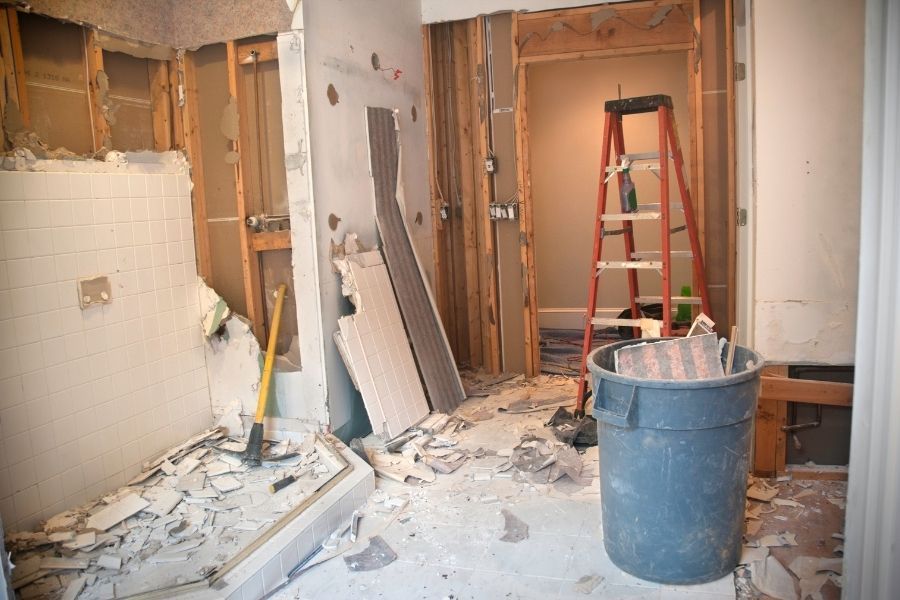
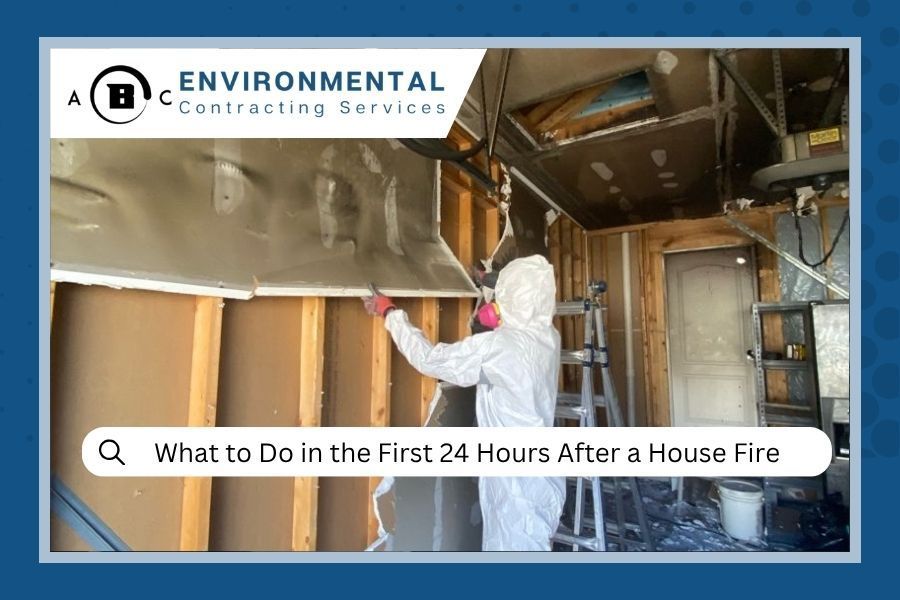
Demolition should only start after testing confirms the materials being removed are asbestos-free.
After lab results come back, you'll get a report showing what tested positive, where it is, and how much there is. That report forms the basis of your removal plan and gets sent to the MDNR with the paperwork. If you work with a company that handles both asbestos testing and removal, the shift from testing to planning happens fast.
Older home projects may also turn up mold behind walls or under flooring once things get opened up. When asbestos and mold are both present, each needs different steps to contain. One contractor that handles both makes it much easier to keep things on track.
Ready to Start Your Renovation the Right Way?
Asbestos-safe renovation planning doesn't have to slow your project down. It just has to happen in the right order. Getting a professional inspection, choosing a registered contractor, and building abatement into your renovation schedule keeps everyone safe and your project legal.
If you're planning a renovation on a pre-1980 home in the St. Louis metro area, our team at ABC Environmental Contracting Services is ready to help. We'll get your inspection scheduled, walk you through the results, and coordinate abatement so your general contractor can pick up where we leave off. Learn more about what to expect during abatement and how we handle EPA regulations for Missouri residential projects.
Frequently Asked Questions
Can I do my own asbestos testing before a renovation in Missouri?
Missouri law says a state-certified inspector must do the testing on regulated buildings before renovation work starts. Homeowners of single-family homes (four units or fewer) may have some NESHAP exemptions, but hiring a certified pro is still the safest move. Lab work must go through an accredited lab to count as valid.
How long does asbestos abatement add to a renovation timeline?
Expect about three to four weeks from the first inspection to final clearance. Lab results take roughly a week. The required 10-working-day MDNR notice adds two more weeks. The actual removal runs two to five days depending on scope.
What triggers the requirement for a certified abatement contractor in Missouri?
If your inspection finds 160 square feet, 260 linear feet, or 35 cubic feet or more of regulated asbestos material that the renovation will disturb, a registered contractor is required. Below those amounts, it's not legally required, but the Missouri DNR still says to use trained pros.
Does my general contractor need to know about asbestos in my home?
Yes. Your GC needs the inspection report before starting any demo work. If they disturb asbestos materials without proper removal, it creates a health hazard and can lead to state and federal penalties. Share the report with every trade on your project.
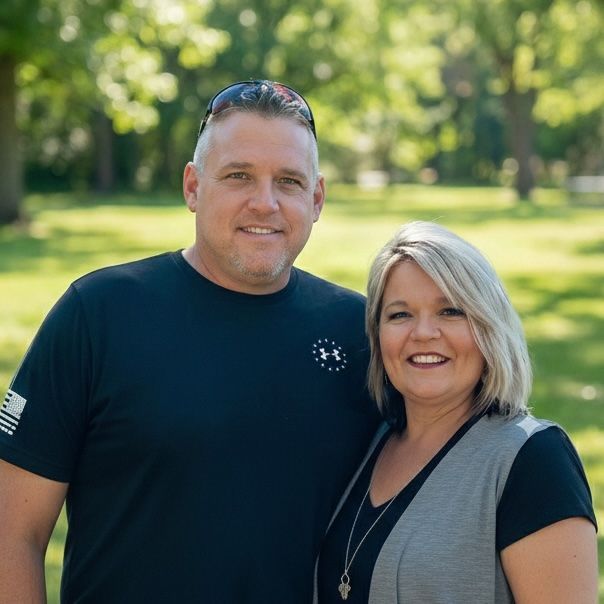
Dan and Tina Benton are the owners of ABC Environmental Contracting Services, a veteran-owned restoration company serving the St. Louis Metro East area. Together, they bring over two decades of expertise in water damage restoration, mold remediation, and asbestos removal for both residential and commercial properties. They're committed to serving their community with integrity and dedication, providing 24/7 emergency response when disaster strikes.