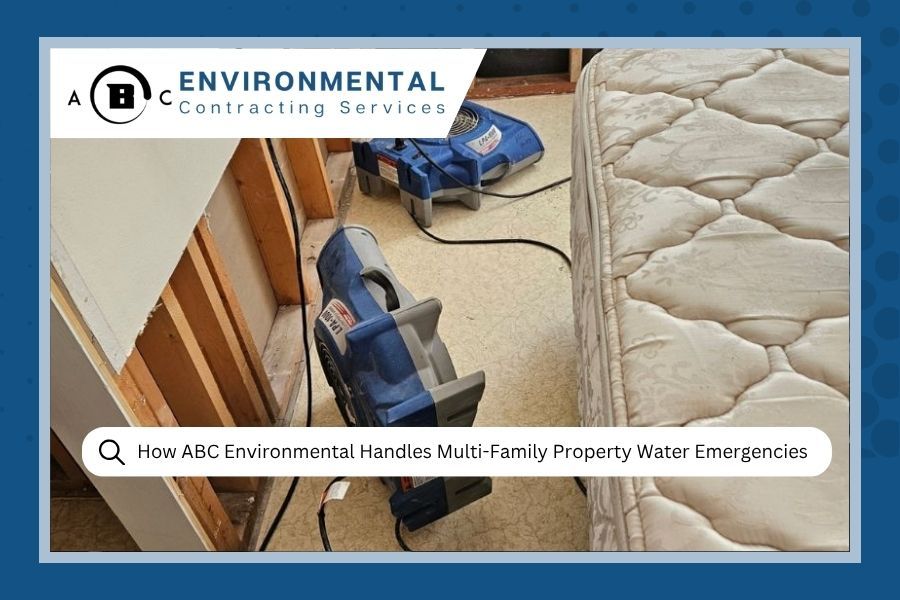
How ABC Environmental Handles Multi-Family Property Water Emergencies
A burst pipe on the third floor of an apartment complex doesn't just affect one unit. Water travels through ceilings, walls, and floors fast. For property managers across the St. Louis metro, water damage restoration in a multi-family building takes a very different approach than a single-family home.
Our team at ABC Environmental Contracting Services has over 20 years of experience handling these exact situations. We know how quickly a small leak can spiral into a building-wide problem. More families means more moving parts, more questions, and a much bigger need for a clear plan.
This guide covers how we handle tenant coordination, navigate liability concerns, and get multi-unit properties back to normal as fast as possible.
Why Are Multi-Family Water Emergencies More Complex?
Multi-family water damage affects more people, more units, and more building systems all at once. A single supply line break can cascade through floors in minutes. What starts in one apartment can become a building-wide event before anyone realizes it.
You're not working with one homeowner. You're managing tenants, property management, insurance carriers, and sometimes housing authorities. Each unit has different contents and different levels of damage. That coordination takes experience.
Shared walls, plumbing, and HVAC systems create paths that don't exist in standalone homes. We've seen water from a fourth-floor bathroom cause visible damage on the first floor across the hall. Shared systems change everything.
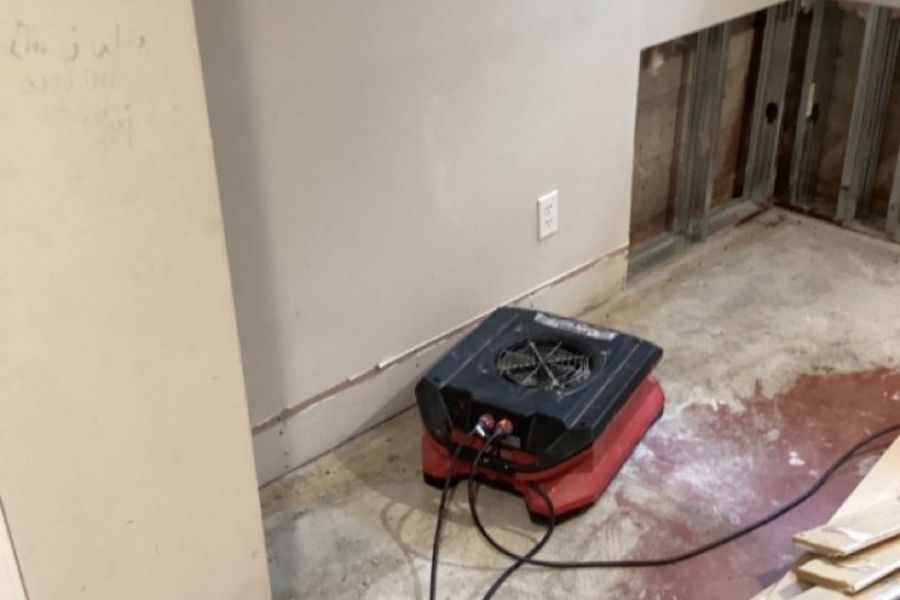
Professional drying and targeted demo in a multi-unit building, where unit access and tenant coordination are critical.
How Do You Coordinate With Tenants During a Water Emergency?
Tenant coordination is the trickiest part of any multi-family water job. People are worried. They want to know if their stuff is safe, if they can stay, and how long the process takes. Good communication makes the difference.
Rapid Assessment Across All Units
Before we set up any equipment, our crew walks every unit that could be affected. We use moisture meters and thermal imaging to map where water has traveled. This gives us real data to share with tenants and property managers.
Clear Communication
We work with property management to set up one point of contact. Mixed messages create panic. Our project managers provide written updates that can go out to tenants, covering what's happening and estimated timelines.
Dealing With a Multi-Unit Water Emergency?
Our team is available 24/7 across the St. Louis metro. We coordinate with tenants and insurance so you can focus on your property.
Contact ABC EnvironmentalScheduling Access Around Tenant Lives
We need access to multiple units for equipment setup and monitoring. Tenants have work, kids, and pets. We build unit-by-unit schedules with property management.
Emergency access happens right away for active water. For drying and monitoring, we schedule around tenant availability. We tell residents what our equipment does and how long it runs. That small step prevents a lot of angry calls to the leasing office.
Who's Liable? Insurance and Documentation in Multi-Unit Water Events
Liability questions surface fast. Was it a maintenance issue or something a tenant caused? Does the building's policy cover common areas while renter's policies cover belongings? Solid documentation from day one protects everyone.
Documentation That Holds Up
Our team photographs and logs damage in every affected unit before work begins. We record moisture readings, affected materials, the water source, and the category of water damage involved.
This documentation supports the property owner's claim and gives tenants records for their renter's insurance. We've seen claims drag on for months when documentation is thin. A thorough assessment at the start saves time and frustration later.
Working With Multiple Insurance Carriers
One building, one water event, three or four different insurance policies. The building owner's commercial policy covers the structure and common areas. Each tenant may have renter's insurance for personal belongings.
We build documentation packages for each carrier. The property owner gets the full scope of structural damage. Tenants receive unit-specific reports they can submit with their own claims. Having a restoration company that's been through this process before makes a real difference when sorting out who covers what.
Multi-Family vs. Single-Family Water Damage
| Factor | Single-Family | Multi-Family |
|---|---|---|
| Stakeholders | 1 homeowner, 1 insurer | Tenants, property manager, commercial insurer, renter's policies |
| Access | Full homeowner access | Scheduled around tenant availability |
| Damage Path | Contained to one structure | Cascades through shared walls, floors, and plumbing chases |
| Insurance | One policy, one claim | Commercial + renter's + possible liability disputes |
| Mold Risk | 24 to 48 hours | Same window, but hidden moisture in shared cavities raises risk |
How Can Property Managers Reduce Downtime During Restoration?
Empty units cost money. Unhappy tenants don't renew leases. The goal isn't just fixing water damage. It's getting the building fully running again as fast as possible.
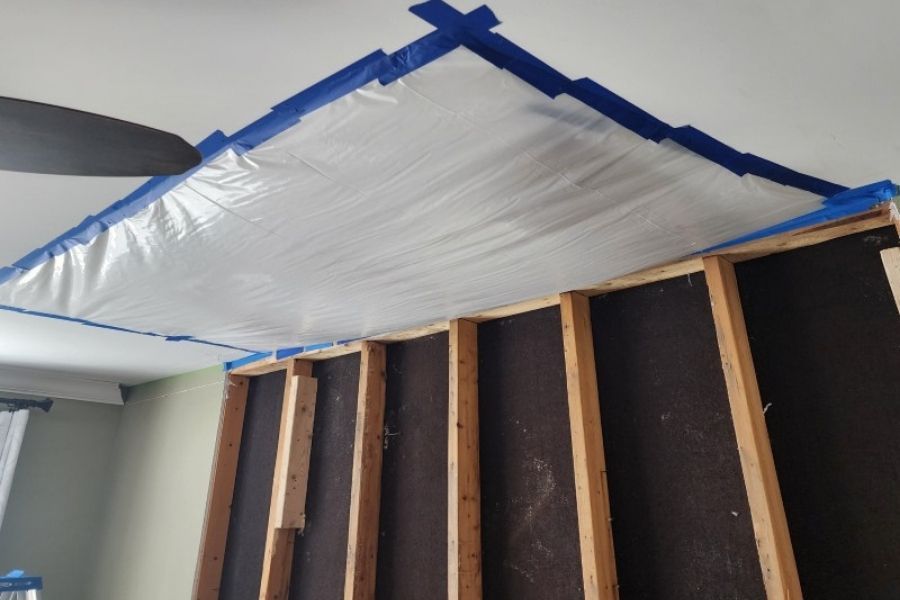
Containment barriers and targeted drywall removal keep damage from spreading to nearby units during active restoration.
Phased Restoration
We don't shut down the whole building when only some units are affected. Our team focuses on the worst areas first while less-affected spaces stay occupied. Containment barriers prevent problems from spreading.
For units that need drying, we set up commercial air movers and dehumidifiers, then monitor daily. The typical drying timeline runs three to five days. Shared wall cavities sometimes take longer. We give property managers realistic timelines.
Keeping Occupied Units Livable
Not every affected unit needs to be vacated. In many cases, tenants can stay while drying equipment runs. We set clear expectations about noise levels and any furniture that needs to move. When units do need to be vacated, we help property managers coordinate and document everything for insurance.
Stopping Mold Before It Starts
Mold can grow wherever moisture sits for more than 48 hours. In multi-family buildings, the risk goes up because moisture hides in wall cavities, above drop ceilings, and inside plumbing chases that connect units.
According to the IICRC S500 Standard, rapid drying is the best way to limit secondary damage. Our technicians use thermal imaging to find hidden moisture. Catching it early prevents a water cleanup from turning into a building-wide mold remediation project.
Property Manager Quick-Response Checklist
- Shut off the water source right away
- Call a certified restoration company with multi-family experience
- Notify all possibly affected tenants, not just the obvious ones
- Document visible damage with photos and video before cleanup starts
- Contact your commercial insurance carrier with initial details
- Tell tenants to contact their renter's insurance for personal property
- Keep a written log of all communications and decisions
What Sets ABC Environmental Contracting Services Apart?
We've served property managers and building owners across the St. Louis metro for over two decades. That experience shows in how we run multi-family jobs, with a plan built around both the people and the property.
Our IICRC-certified technicians hold certifications in water damage restoration, mold remediation, and fire damage restoration. That triple certification matters because water events in older St. Louis buildings can uncover mold or hidden asbestos. One company handling all of it means fewer contractors, less coordination, and faster results.
We also handle content cleaning when tenant belongings are affected. Our team is available around the clock because water emergencies don't wait for business hours.
If you manage a multi-unit property in greater St. Louis and you're dealing with water damage, contact our team. We'll assess the full scope and build a plan that keeps tenants informed and your building protected.
Frequently Asked Questions
How quickly should a property manager call after a water event in a multi-family building?
Right away. Water spreads through shared walls, ceilings, and plumbing faster in multi-family buildings. The EPA recommends addressing moisture within 24 to 48 hours to prevent mold. Every hour of delay can increase affected units and total cost.
Do tenants need renter's insurance to cover belongings damaged by water?
Yes. The building owner's commercial policy covers the structure and common areas, not tenant belongings. Renter's insurance handles personal property, temporary relocation, and sometimes liability. Without it, tenants may have to cover losses out of pocket.
Can tenants stay in their units during restoration?
Often, yes. Tenants can usually remain while drying equipment runs, though they should expect noise and some furniture rearrangement. Units with heavy structural damage, contaminated water, or active mold usually need to be vacated until work is done.
Who pays when a tenant caused the water damage?
It depends on the lease, the cause, and the insurance in place. If tenant negligence caused the damage, their liability coverage may apply. The building's commercial policy generally covers structural repairs. Thorough documentation from the restoration company helps everyone sort out who's responsible.
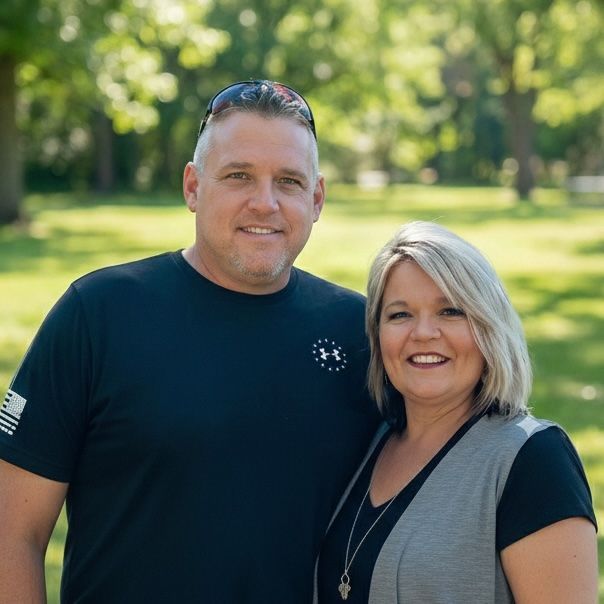
Dan and Tina Benton are the owners of ABC Environmental Contracting Services, a veteran-owned restoration company serving the St. Louis Metro East area. Together, they bring over two decades of expertise in water damage restoration, mold remediation, and asbestos removal for both residential and commercial properties. They're committed to serving their community with integrity and dedication, providing 24/7 emergency response when disaster strikes.