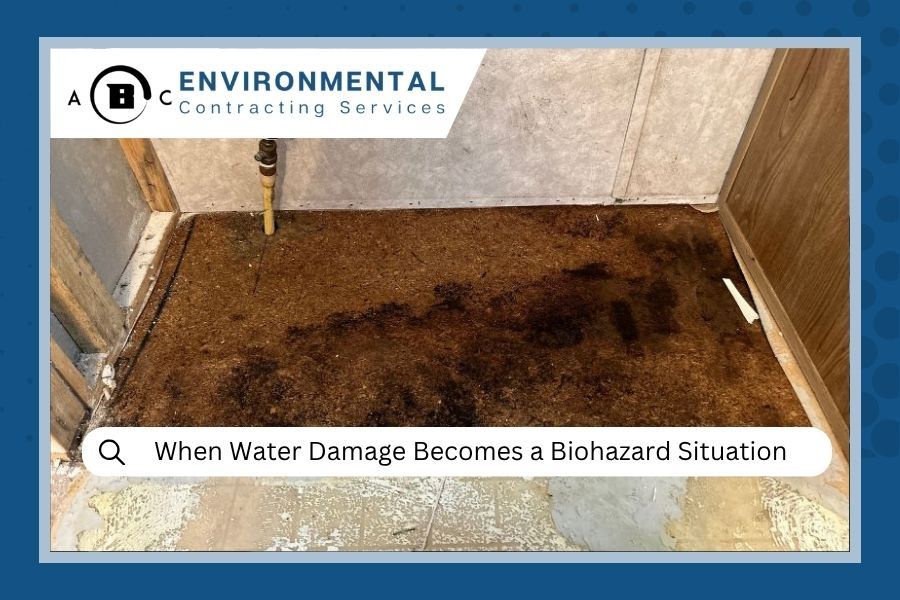
When Water Damage Becomes a Biohazard Situation
Most water damage starts out looking the same: wet floors, soggy drywall, a big mess. But not all water is just water. Some water damage crosses into biohazard territory, and when it does, the cleanup rules change fast.
At ABC Environmental Contracting Services, our IICRC-certified team handles both standard water damage and biohazard jobs for homes across the St. Louis metro. Knowing the difference matters, because a biohazard event isn't something you can fix with a shop vac and fans.
When Does Water Damage Become a Biohazard?
Water damage becomes a biohazard when it carries harmful germs, chemicals, or waste that can make people sick. The source is the biggest factor. A broken supply line? Clean water. A sewage backup through your floor drain? Biohazard.
Time matters too. Clean water that sits 48 hours or longer picks up bacteria from what it touches. Drywall, carpet padding, and wood framing all become breeding grounds. What started as a safe event can quietly turn dangerous.
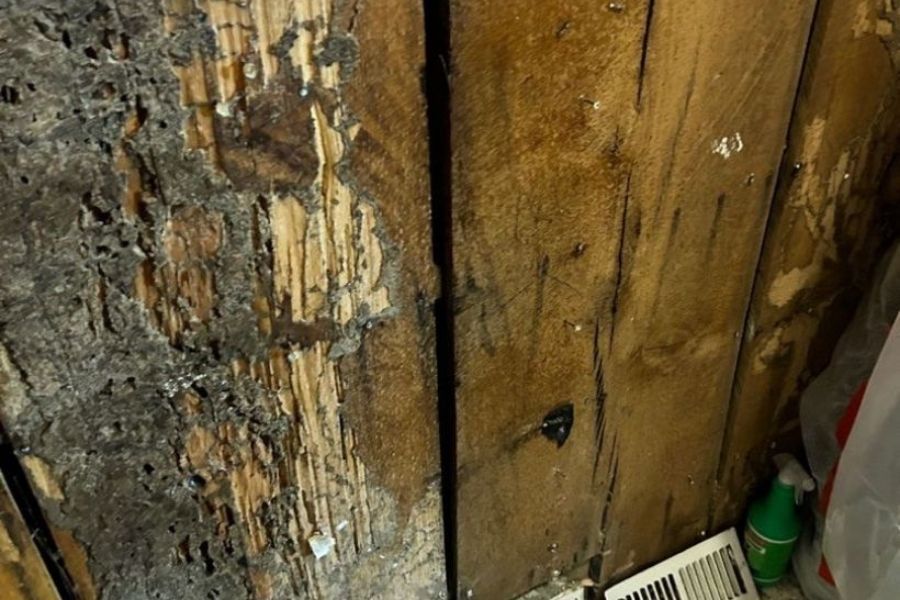
When water sits too long, bacteria and mold take hold behind walls where you can't see them. By the time you notice, the damage is already a biohazard concern.
Water Categories and Biohazard Classification
The cleanup industry uses three water groups from the IICRC S500 standard. Each group calls for a different cleanup plan.
| Category | What It Means | Biohazard? |
|---|---|---|
| Category 1 | Clean water from supply lines, faucets, or toilet tanks (no contact with waste) | No, unless it sits 48+ hours |
| Category 2 | Grey water from washers, dishwashers, or sump pumps with some germs | Possible, depends on exposure |
| Category 3 | Black water from sewage, river flooding, or storm drain backups | Yes, always |
Category 3 is always a biohazard. No exceptions. It can contain E. coli, hepatitis, parasites, and other germs that cause serious illness.
But here's what catches people off guard: Category 2 can become a biohazard too if it sits long enough. We see this a lot in older St. Louis basements where a sump pump fails and water sits for days.
Think Your Water Damage Might Be a Biohazard?
Don't take chances. Our team is trained in biohazard cleanup and available 24/7 across the St. Louis metro.
Get a Free EstimateWhat Are the Health Risks From Biohazard Water?
Biohazard water puts everyone at risk. Kids, older adults, and anyone with a weak immune system face the worst danger. What happens depends on the type of germs and how much contact a person has.
Stomach and gut illness from swallowing or touching water with E. coli, Salmonella, or other bacteria
Skin rashes and infections from direct contact with black water or grey water that sat too long
Breathing problems from airborne mold spores and bacteria that grow in wet materials
Hepatitis A from sewage-contaminated water, which can cause liver damage
The CDC warns against touching flood and sewage water and says to wear full protective gear during cleanup. This is not a DIY job. Even walking through a sewage-flooded basement without gear can make you sick. Our post on sewage backup water damage goes deeper on this topic.
How Does Biohazard Water Damage Cleanup Work?
Biohazard cleanup follows strict steps that go beyond normal water damage work. Every part of the process keeps both the crew and your family safe.
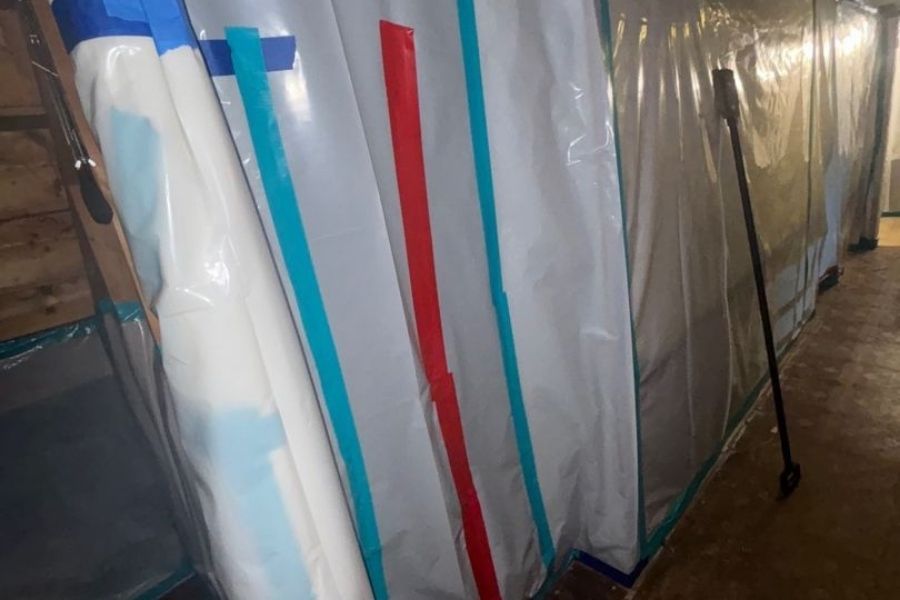
Biohazard water events require full personal protective equipment and containment measures that standard water damage jobs don't need.
Step 1: Containment. The wet area gets sealed off so germs can't spread. Negative air pressure keeps dirty air from drifting into clean rooms.
Step 2: Extraction and removal. All standing water gets pumped out. Porous stuff like carpet, padding, drywall below the water line, and insulation gets removed and bagged. These items can't be saved once biohazard water soaks them.
Step 3: Cleaning and germ kill. Every surface the water touched gets scrubbed with agents that kill germs. This isn't a quick spray. It's a deep scrub that wipes out bacteria and viruses on hard surfaces, wood framing, and subfloors.
Crews work section by section to make sure nothing gets missed.
Step 4: Drying and testing. Air movers and dehumidifiers dry the space to target moisture levels. After drying, air and surface tests confirm germ levels are back in the safe range. ABC Environmental Contracting Services handles the full process from extraction through sewage cleanup and final clearance.
How to Protect Yourself Before Help Arrives
If you think you have a biohazard water event, here's what to do while you wait for help. These steps keep your family safe until a trained crew shows up.
- Stay out of the water. Don't walk through it. Sewage water can get into your body through small cuts.
- Turn off the power if you can reach the breaker without stepping in water.
- Keep kids and pets away from the wet area.
- Don't try to clean it. Mopping sewage water just spreads germs around.
- Open windows if safe to get fresh air flowing.
For more tips on what to avoid after water damage, check out our post on what not to do after water damage.
Biohazard Water Damage Needs Fast Action
ABC Environmental Contracting Services is IICRC certified and serves St. Louis 24/7. We handle biohazard cleanup with the right safety steps to keep your family safe.
Contact Us NowFrequently Asked Questions
Is all sewage water considered a biohazard?
Yes. Any water that touches sewage is Category 3 (black water) and always counts as a biohazard. This includes toilet overflows with waste, sewer line backups, and septic system failures.
Can I save furniture or belongings exposed to biohazard water?
It depends on the material. Hard items like metal or sealed glass can often be cleaned. Porous items like couches, mattresses, and carpet usually need to go because bacteria gets trapped in the fibers.
How long does biohazard water damage cleanup take?
Most jobs take 5 to 10 days from start to finish. That covers extraction, removal, disinfection, drying, and clearance testing. Bigger homes or worse contamination can push the timeline longer.
Does homeowners insurance cover biohazard water damage cleanup?
Many policies cover sudden sewage backups if you added sewer backup coverage to your plan. Standard policies often skip flood damage from outside sources. Check your policy now so you know what's covered before trouble hits.
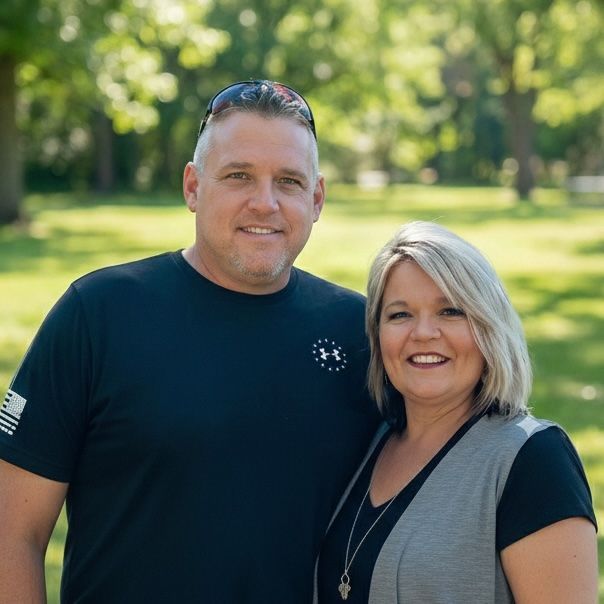
Dan and Tina Benton are the owners of ABC Environmental Contracting Services, a veteran-owned restoration company serving the St. Louis Metro East area. Together, they bring over two decades of expertise in water damage restoration, mold remediation, and asbestos removal for both residential and commercial properties. They're committed to serving their community with integrity and dedication, providing 24/7 emergency response when disaster strikes.