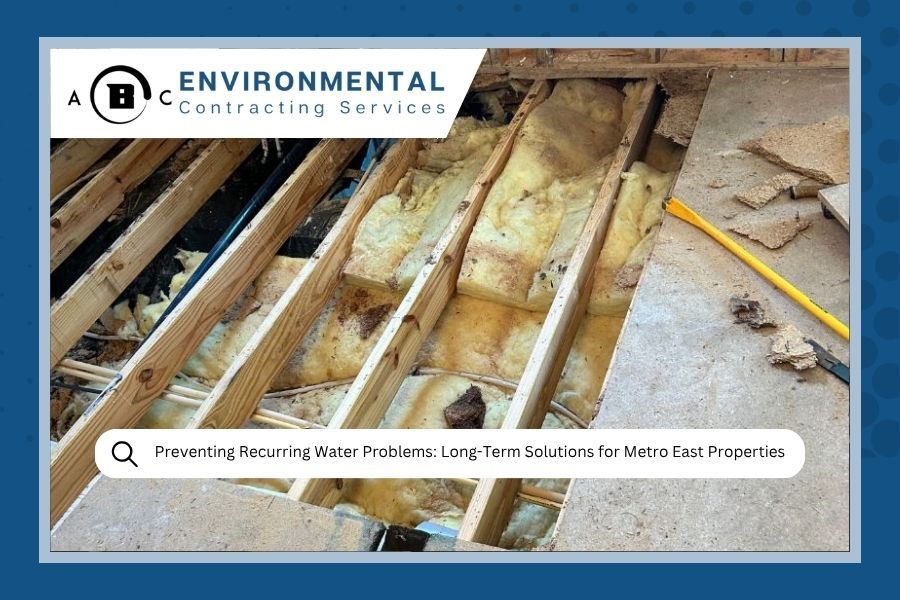
Preventing Recurring Water Problems: Long-Term Solutions for Metro East Properties
Jump To:
Dealing with water damage restoration more than once in your Metro East home is beyond frustrating. Our IICRC-certified team at ABC Environmental Contracting Services helps homeowners across the St. Louis metro stop the cycle for good. The fix comes down to root cause analysis, smart upgrades, and a real maintenance plan.
Why Does Water Keep Coming Back After Cleanup?
Recurring water problems point to an issue that cleanup alone can't fix. Restoration removes damage. It doesn't fix what caused it. That's like mopping a floor while the faucet runs.
We see this pattern constantly with Metro East homeowners. Someone calls for water extraction after a basement floods, the crew dries everything out beautifully, and three months later the exact same corner is wet again.
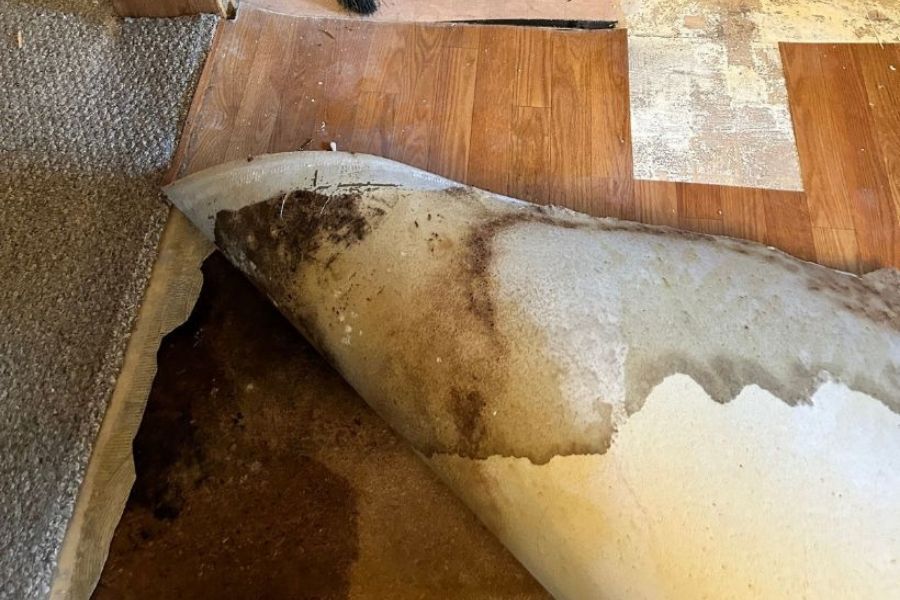
Moisture under flooring often signals a deeper issue that cleanup alone won't solve.
Common culprits include poor grading around the foundation, aging sump pumps, bad plumbing connections, and weak basement waterproofing. Often it's two or three of these working together.
Metro East properties face extra risk because of the heavy clay soil across much of the region. Clay doesn't drain well. During heavy rains, water pools against foundation walls instead of soaking into the ground.
This creates pressure that forces moisture through any crack or gap it can find. Homes built before modern waterproofing codes are especially vulnerable to this kind of slow, steady intrusion.
How Do You Find the Real Problem?
A good root cause analysis traces water backward from where it showed up to where it got in. This is where DIY guesswork usually falls short. Pros use infrared cameras and moisture meters to map water paths behind walls and under floors.
The IICRC S500 standard calls thorough moisture mapping an essential part of any assessment. Without it, you're guessing.
| Check This | Look For | Red Flags |
|---|---|---|
| Foundation grading | Soil slope, window wells, downspout ends | Pooling within 6 feet of walls |
| Plumbing | Supply lines, drains, water heater, washer hoses | Slow drips, corrosion at joints |
| Sump pump | Pump age, float switch, check valve | Running nonstop or cycling fast |
| Basement walls | Cracks, white stains, damp patches | Stains that come and go with seasons |
Tired of the Same Water Problem Twice?
Our team can find what's really causing your water issues and build a fix that lasts. We're here 24/7 across the St. Louis metro.
Schedule a Free AssessmentWhat Upgrades Actually Stop Repeat Water Damage?
Once you know the root cause, the right upgrade can end the cycle. Not every home needs every fix on this list. The solution depends on what's causing your specific problem.
Sump Pump Upgrades
If your sump pump is older than seven years, it's on borrowed time. Modern pumps with battery backups keep working during power outages, which is exactly when storms dump water and knock out power at the same time. A backup system costs a fraction of another basement flood.
Homes in low-lying areas like Belleville and Granite City deal with rising water tables every spring. A secondary pump adds real protection in those areas.
Drainage and Waterproofing
Regrading soil so it slopes away from your house is one of the simplest, most effective fixes. You need at least six inches of slope over the first ten feet from the foundation. Many older Metro East homes have settled soil that sends water toward the house instead of away.
French drains paired with basement waterproofing give water a controlled path to follow. Together, they handle heavy rains without moisture reaching your living space.
Plumbing Updates
Older homes across Edwardsville, Alton, and the Metro East often have plumbing that's 40 to 50 years old. Galvanized pipes corrode from the inside out. The joints where different materials meet are weakest. Swapping old supply lines and adding leak sensors catches small problems before they turn into big ones.
Smart water sensors are worth considering. These small devices sit near water heaters, under sinks, and beside washing machines. When they detect moisture, they send an alert to your phone.
Some models connect to automatic shutoff valves that stop water flow the moment a leak starts. For homes with a history of plumbing failures, this kind of early warning system pays for itself fast.
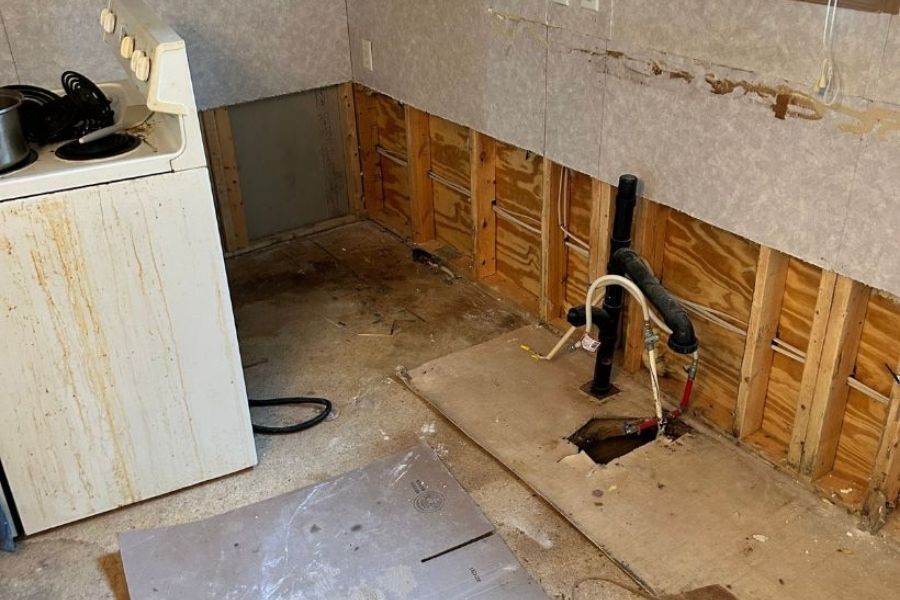
Slow sink leaks cause some of the most common repeat water damage in Metro East kitchens.
How Do You Build a Maintenance Plan That Works?
Even the best upgrades need upkeep. A simple seasonal routine catches small issues before they become emergencies.
Spring: Test your sump pump. Clear gutters. Check your basement for damp spots after the first rains. Look at the grading around your foundation for settling.
Summer: Keep basement humidity below 60%. Check AC drain lines for clogs. Look under every sink for drips. Inspect washing machine hoses for bulges.
Fall: Clear gutters again. Disconnect outdoor hoses. Insulate pipes in unheated spaces. Get your sump pump serviced before the ground freezes.
Winter: Keep your home above 55 degrees. Know where your main shutoff valve is. During cold snaps, open cabinet doors on exterior walls so warm air reaches the pipes. If you have frozen pipe concerns, act before temperatures drop.
The Cost of Waiting: How Delays Multiply Damage
| Timeline | What Happens |
|---|---|
| Under 24 hours | Drywall, carpet pad, and subfloor absorb moisture |
| 48 to 72 hours | Mold starts growing on wet materials |
| 1 to 2 weeks | Structural materials weaken, mold spreads behind walls |
| 1 month+ | Major reconstruction may be needed |
If water touched drywall, carpet, or wood framing, or sat for more than a day, or you can't tell where it came from, bring in a pro. Hidden moisture leads to mold growth that affects air quality without any visible signs. The EPA's mold cleanup guide confirms that controlling moisture is the key to controlling mold.
Stop the Cycle. Fix It for Good.
ABC Environmental Contracting Services provides root cause analysis and lasting water damage solutions across the St. Louis metro and Metro East. Available 24/7.
Contact Our TeamFrequently Asked Questions
How can I tell if my water damage is recurring or a one-time event?
Look for patterns. If water shows up in the same spot more than once, you smell mustiness that comes and goes with seasons, or you see white mineral stains on basement walls, you likely have an ongoing issue. A moisture assessment can confirm whether hidden sources are present.
Does insurance cover upgrades to prevent future water damage?
Most policies cover damage from sudden events like burst pipes but won't pay for preventive upgrades like sump pumps or waterproofing. Some insurers offer discounts for homes with leak detection systems or battery backup pumps. Ask your provider about credits for protective measures.
How often should I replace my sump pump?
Most sump pumps last 7 to 10 years with regular care. If yours runs constantly, cycles on and off fast, or makes grinding sounds, it may need replacing sooner. Test it each spring and swap the backup battery every 2 to 3 years.
Can repeat water events cause mold even if I dry things quickly?
Yes. Each event pushes moisture into materials that may not fully dry, even when the surface looks fine. Over time, repeated wetting creates ideal mold conditions inside wall cavities and under floors. This hidden mold affects air quality without visible signs.
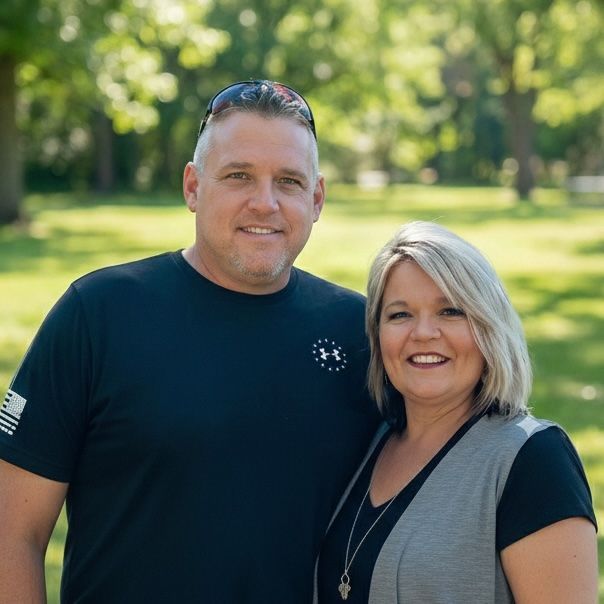
Dan and Tina Benton are the owners of ABC Environmental Contracting Services, a veteran-owned restoration company serving the St. Louis Metro East area. Together, they bring over two decades of expertise in water damage restoration, mold remediation, and asbestos removal for both residential and commercial properties. They're committed to serving their community with integrity and dedication, providing 24/7 emergency response when disaster strikes.