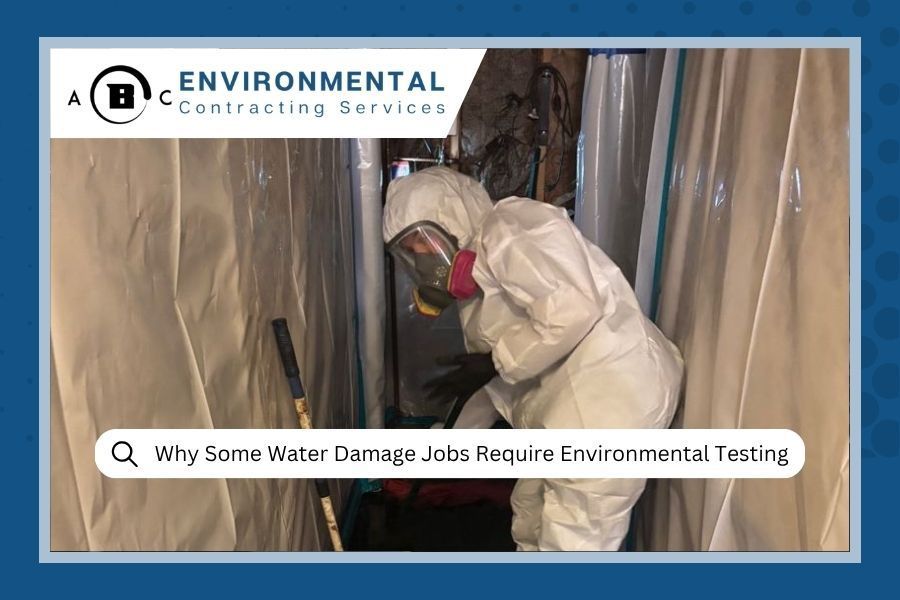
Why Some Water Damage Jobs Require Environmental Testing
Jump To:
Not every water damage job is a simple dry-and-go. Some involve hidden contaminants that are invisible, odorless, and genuinely dangerous.
When water damage restoration uncovers asbestos, mold, or lead, environmental testing becomes a critical step before real cleanup can begin. Our team at ABC Environmental Contracting Services sees this regularly across the St. Louis metro area.
This isn't about scare tactics. It's about knowing when water damage crosses the line from a property problem into a health hazard.
When Does Water Damage Need Environmental Testing?
Environmental testing is needed when water has the potential to disturb hazardous materials or create conditions for biological growth. Flooding, sewage backups, and even slow leaks can activate problems hiding inside your walls and floors for decades.
The most common triggers we see in the field:
- Sewage backups or Category 3 water intrusion carrying bacteria and pathogens
- Water contacting materials built before 1980, which may contain asbestos in tiles, insulation, or joint compound
- Standing water lasting over 48 hours, creating perfect conditions for mold growth
- Flooding in older homes with lead paint, where water causes paint to chip and create lead dust
A burst pipe in a 2015 home is a very different situation than a basement flood in a 1960s brick colonial with original floor tiles and pipe wrap. The age of your home and what the water touched matter more than the volume of water itself.
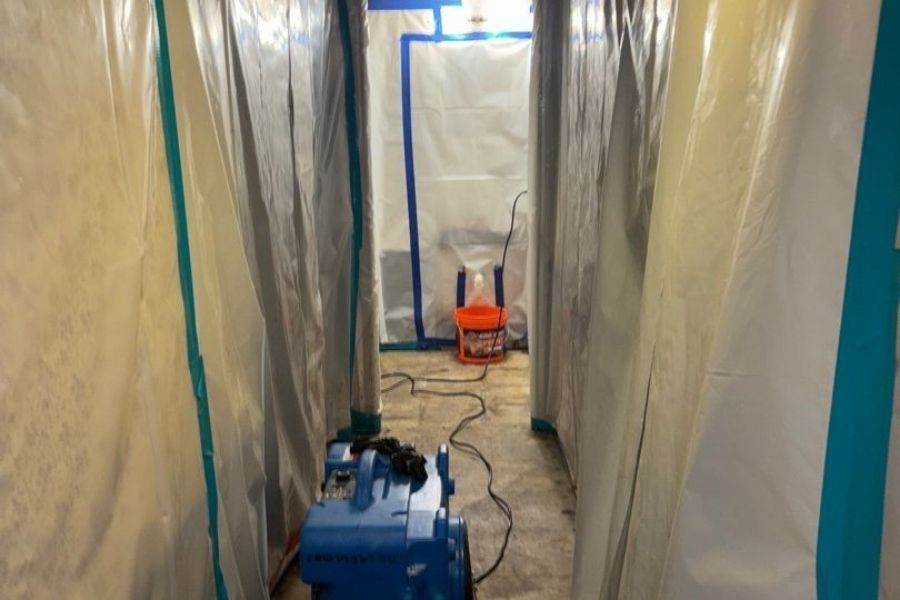
Water damage in older homes can disturb asbestos-containing materials that need professional removal before restoration continues.
Contamination Thresholds That Trigger Testing
Contamination works on a spectrum. Specific thresholds determine when testing becomes mandatory versus just a good idea. The IICRC S500 standard breaks water damage into three categories:
| Category | Source | Testing Required? |
|---|---|---|
| Category 1 (Clean) | Broken supply lines, rainwater | Only if standing 48+ hours or contacting suspect materials |
| Category 2 (Gray) | Washing machine overflow, sump pump failure | Recommended, especially in occupied spaces |
| Category 3 (Black) | Sewage, river flooding, toilet overflow | Always. Biological and chemical testing required |
Here's what most homeowners don't realize: clean water degrades. Category 1 water that sits for two days in a warm, dark basement becomes Category 2 or 3. The clock starts the moment water hits your property.
Not sure if your water damage needs testing?
Our IICRC-certified team can assess your situation and recommend the right plan. We serve the entire St. Louis metro with 24/7 emergency response.
Get a Free AssessmentHealth Risks of Hidden Contamination
Health risks from contaminated water damage aren't always obvious right away. Some symptoms show up in hours. Others build over weeks of breathing in things you didn't know were there.
Mold Exposure
Mold spores already exist in every home. What water damage adds is moisture, warmth, and organic material, the perfect recipe for those spores to multiply fast. The EPA warns that mold exposure can cause breathing problems, allergic reactions, and serious lung infections in people with weak immune systems.
The 48-hour window is real. Mold can start growing on damp drywall and carpet padding within two days. By the time you see it, colonies are already behind walls.
Asbestos Fiber Release
Water damage in pre-1980 homes can disturb asbestos in floor tiles, pipe insulation, and popcorn ceilings. Wet asbestos materials crumble easily and release tiny fibers into the air. You can't see or smell them, but breathing them in can cause mesothelioma and lung cancer decades later.
That's why professional asbestos testing before disturbing any suspect material isn't optional.
Lead Paint Hazards
Flooding causes paint to bubble, peel, and chip. In homes built before 1978, that deteriorating paint almost certainly contains lead, and the dust it creates is especially dangerous for young children. Even low levels of lead exposure can cause learning difficulties, developmental delays, and behavioral changes that may not show up for months.
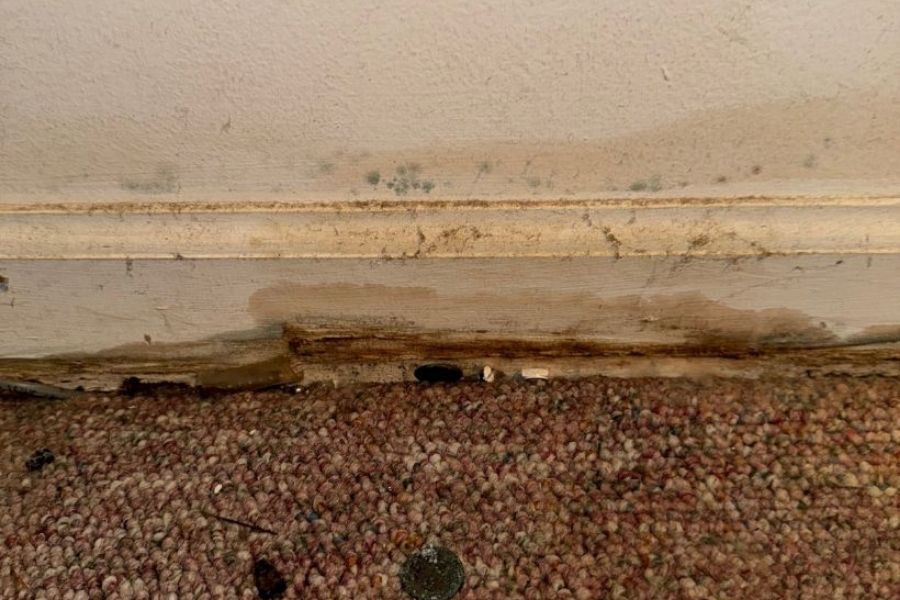
Visible mold on baseboards often signals much larger colonies behind walls and under flooring.
What Gets Tested and Why
Environmental testing isn't one single test. It's a targeted set of assessments based on your home's age, the water source, and what materials were affected.
- Air quality sampling: Measures mold spore counts and compares indoor levels against outdoor baselines.
- Surface swab testing: Identifies specific mold species from visible growth or suspect areas.
- Bulk material sampling: Sends pieces of suspect building materials to a lab for asbestos analysis.
- Lead paint testing: Confirms lead content in painted surfaces disturbed by water.
Results directly shape the cleanup plan. A job that tests positive for asbestos in damaged floor tiles shifts from standard restoration to regulated abatement with containment, air monitoring, and certified disposal. Completely different scope, timeline, and cost.
Testing vs. No Testing: The Real Difference
Without Testing
Hidden contaminants get spread during demolition. Workers and residents face exposure. Insurance claims get messy later.
With Testing
Hazards are found upfront. Safety protocols are set. Insurance documentation is solid from day one.
What Happens When You Skip Testing
When your basement is flooded and your adjuster wants timelines, waiting for test results feels frustrating. But skipping testing creates problems that cost far more than the tests themselves.
- Contamination spread: Tearing out water-damaged materials with hidden asbestos sends fibers through the whole house, turning a small job into full abatement.
- Insurance claim issues: Carriers can reduce payouts when proper testing wasn't done before work began.
- Health problems after move-in: Residents develop breathing issues because mold behind rebuilt walls was never addressed.
Air quality samples typically cost a few hundred dollars. Compare that to a full mold remediation do-over or an asbestos abatement you could have caught early. The math is clear.
If you're seeing signs of water damage and aren't sure what you're dealing with, get a professional look before tearing anything out.
Water Damage With Possible Contamination? We Can Help.
ABC Environmental Contracting Services provides environmental testing, water damage restoration, asbestos removal, mold remediation, and lead removal across the St. Louis metro. Available 24/7.
Contact Our Team TodayFrequently Asked Questions
How long does environmental testing take after water damage?
Most testing wraps up in 24 to 48 hours. Samples are collected on-site in under an hour, but lab results typically take one to two business days. Rush results are available for emergencies.
Does insurance cover environmental testing during water damage restoration?
Usually, yes. When testing is needed to determine the scope of a covered water damage claim, carriers typically include testing costs. Solid documentation of why testing was needed strengthens your claim.
Can I start water damage cleanup before test results come back?
You can begin water extraction and drying in areas where no suspect materials are present. But don't demolish walls, remove flooring, or disturb materials that might contain asbestos or lead until results confirm they're safe.
What's the difference between mold testing and asbestos testing after a flood?
Mold testing measures biological growth caused by the water event, using air samples and surface swabs. Asbestos testing checks whether building materials disturbed by water contain asbestos fibers, using bulk samples sent to a lab. Different hazards, completely different methods.
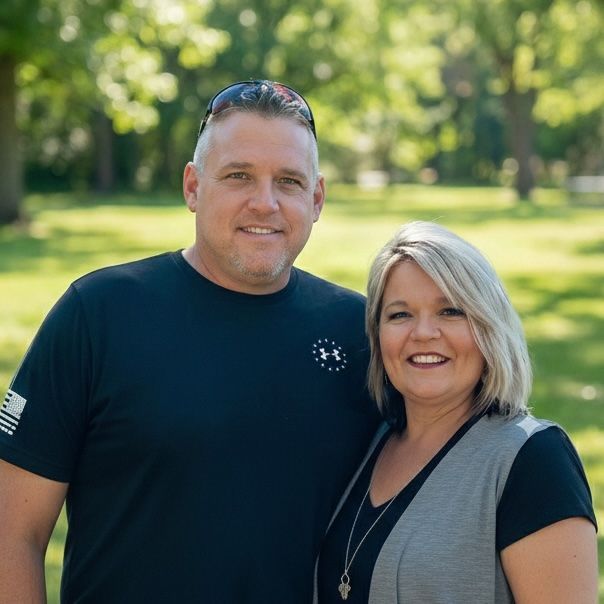
Dan and Tina Benton are the owners of ABC Environmental Contracting Services, a veteran-owned restoration company serving the St. Louis Metro East area. Together, they bring over two decades of expertise in water damage restoration, mold remediation, and asbestos removal for both residential and commercial properties. They're committed to serving their community with integrity and dedication, providing 24/7 emergency response when disaster strikes.