Storm Damage Insurance Claims: Timing Your Call to ABC Environmental
Jump To:
After a bad storm hits the St. Louis metro area, the clock starts ticking on more than just cleanup. When you file your claim matters. So does the proof you bring to the table. Our team at ABC Environmental Contracting Services has guided hundreds of homeowners through storm damage restoration and the claims that follow. One thing we've learned? The process rewards prep, not panic.
Why Does Timing Matter for Storm Damage Claims?
Most Missouri homeowners policies say you need to report damage "promptly." What does that mean? In practice, calling within 24 to 48 hours gives you the best shot at a smooth claim. Wait too long, and your insurer may question whether the storm caused the damage or if neglect played a role.
But calling too early has its own risks. If an adjuster shows up after the water's been removed and temp repairs are done, the damage looks minor. That can mean a smaller payout than you deserve.
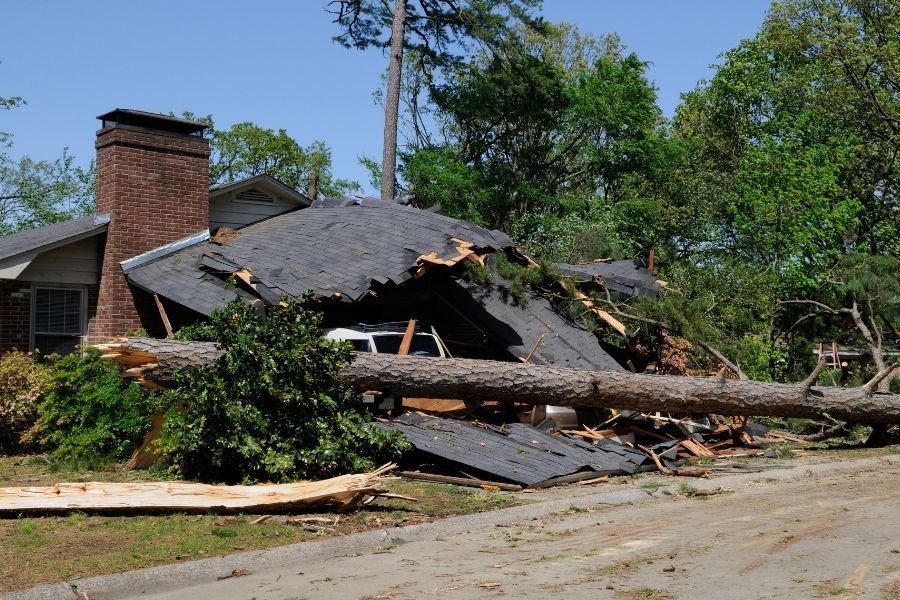
Damage this severe needs a restoration company on-site before the adjuster arrives.
The sweet spot? Document first, then call.
What Documentation Do You Need Before Filing?
Good records are the backbone of every winning claim. Adjusters need proof, not stories. Before you call, gather:
- Timestamped photos and videos of every affected area, including close-ups of water lines and damaged materials
- A written log noting when you discovered the damage and what emergency steps you took
- Receipts for emergency expenses like temporary tarps, fans, or hotel stays
- Your policy number and agent contact info ready before the call
Here's one thing that trips up homeowners: your policy likely says you have to take "steps to stop further damage." You can't just let water pour in for three days while you wait for the adjuster. Temp repairs are fine. They're even expected. But save every receipt and take photos of each step you take. For more on what goes wrong at this stage, check out our post on red flags that lead to water damage claim denials.
Storm damage and not sure where to start?
Our team helps St. Louis homeowners with restoration and insurance claims every week.
Get Help With Your ClaimHow Should You Work with Your Insurance Adjuster?
Your adjuster decides how much your claim is worth. They're not working against you, but they're not on your side either. Keep that in mind.
Show up for the inspection. Walk the adjuster through every room that got hit and point out damage they might miss. Storm damage hides behind walls, under floors, and in crawl spaces. If you don't flag it, it might not make it into the report.

Filing your claim accurately the first time helps avoid delays and disputes with your carrier.
Hand over copies of your photos, video, and written timeline. The CDC has safety tips for re-entering flood-damaged homes, and showing you followed safe practices builds trust with the adjuster. Also, get your restoration company's report in writing. A pro damage assessment with moisture readings and a clear scope of work carries serious weight in claims talks.
Adjuster Visit Checklist
| Before the Visit | During the Visit | After the Visit |
|---|---|---|
| Organize all photos and video | Walk every affected room together | Request a copy of the adjuster's report |
| Compile emergency expense receipts | Point out hidden damage areas | Compare it to your restoration estimate |
| Have your restoration estimate ready | Share your documentation copies | Follow up in writing if anything was missed |
When Should You Call a Restoration Company?
Call a restoration company before you call your insurer. Sounds backwards, right? But it's the smartest move. A good team can size up the damage, start stopping it from spreading, and write up an estimate that backs your claim with real numbers.
At ABC Environmental Contracting Services, we work with adjusters all the time. We provide moisture maps, photo records, and line-item estimates built on industry-standard pricing. That kind of backup makes the whole process go faster.
Waiting until after the adjuster visits is a mistake we see often. Water damage doesn't pause for paperwork. Within 48 hours, moisture can spark mold growth that needs pro remediation, and if mold shows up because you waited, your insurer might say that damage isn't covered. FEMA's flood prep resources stress the need to act fast after storms, and that goes for your insurance timeline too.

The first call you make, and when you make it, sets the pace for your entire insurance claim.
Not sure if your policy covers storm water? Our guide on homeowner's policy coverage for storm water breaks it down. And for info on how pricing works, take a look at why water damage estimates vary between companies.
Frequently Asked Questions
How long do I have to file a storm damage insurance claim in Missouri?
Most Missouri policies say you need to report damage "promptly." That usually means a few days. Filing within 24 to 48 hours puts you in the best spot. The exact window depends on your policy, so read the fine print.
Should I start cleanup before or after the insurance adjuster visits?
Start right away. Most policies say you have to stop further damage from happening. But take photos and video of everything before you touch it. A pro restoration team can handle cleanup while keeping the proof your adjuster needs.
Can my restoration company talk directly to my insurance adjuster?
Yes, and it helps a lot. Good restoration teams work with adjusters all the time. They share moisture data, photos, and cost breakdowns that back up your claim. This often speeds up the whole process.
What if my storm damage insurance claim gets denied?
Read the denial letter closely. Match it against your policy. Claims get denied for late filing, weak proof, or fights over what caused the damage. You can ask for a second inspection, send more evidence from your restoration team, or bring in a public adjuster for help.
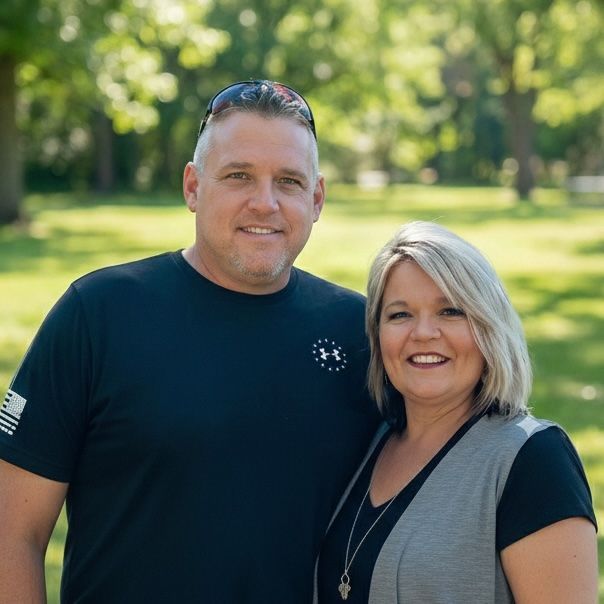
Dan and Tina Benton are the owners of ABC Environmental Contracting Services, a veteran-owned restoration company serving the St. Louis Metro East area. Together, they bring over two decades of expertise in water damage restoration, mold remediation, and asbestos removal for both residential and commercial properties. They're committed to serving their community with integrity and dedication, providing 24/7 emergency response when disaster strikes.