The Truth About DIY Mold Testing Kits vs. Professional Assessment
Jump To:
That $30 mold testing kit at the hardware store seems like a smart first step. You suspect mold, you want answers, and professional testing sounds expensive. We get it. At ABC Environmental Contracting Services, our certified mold remediation team fields calls every week from homeowners confused by DIY test results. The truth is, those store-bought kits often create more questions than they answer.
Here's the reality: DIY mold tests can detect mold spores, but they rarely tell you anything useful. They can't identify whether spores are coming from inside your walls or floating in from outside.
Why DIY Mold Testing Kits Fall Short
Mold spores exist everywhere. They float through open windows, hitch rides on your clothes, and drift in every time you open a door. According to the EPA's guidance on mold testing, sampling is rarely useful for most homeowners because there are no federal standards for acceptable mold levels in residential buildings.
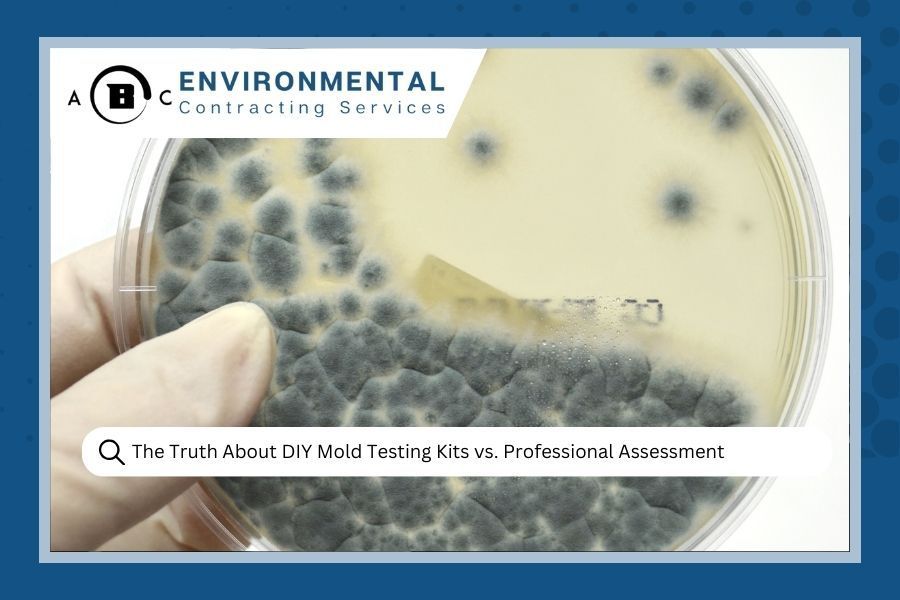
DIY kits typically work by leaving a petri dish open to collect airborne spores over 24 to 48 hours. The problem? They'll almost always grow mold. That's not a sign you have a mold problem. That's just science doing what science does.
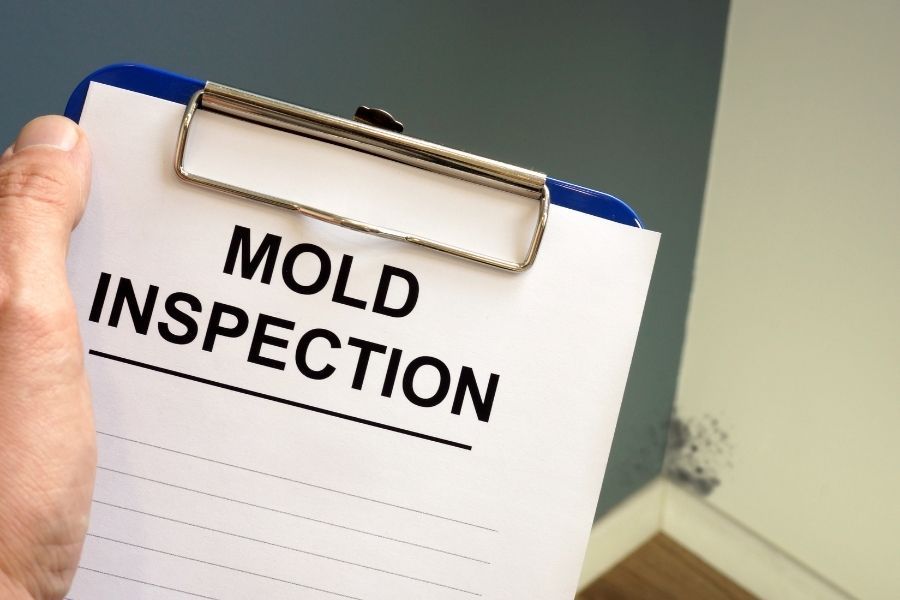
Professional mold inspections follow detailed protocols that DIY kits simply cannot replicate.
5 Accuracy Limitations You Should Know
Before trusting a DIY kit with something as important as your family's indoor air quality, understand what these tests can and cannot do.
1. No Baseline for Comparison
DIY kits don't compare indoor versus outdoor spore counts. Without this comparison, you have no way to know if results indicate a problem. Professional testing always includes outdoor samples as a control.
2. No Species Identification
Not all mold is created equal. Some species are harmless. Others, like Stachybotrys (commonly called black mold), require immediate attention. Most DIY kits can't tell the difference.
3. Location Matters
Where you place the test dramatically affects results. A kit near an open window catches outdoor spores. One in a stuffy closet might miss the colony growing behind your bathroom wall.
4. Lab Quality Varies Wildly
Some DIY kit manufacturers send samples to accredited laboratories. Many don't. Without proper credentials, your results might be analyzed by someone with minimal training.
5. Timing Affects Everything
Mold activity fluctuates with humidity and temperature. A test taken during dry conditions might show "low" mold even if you have a significant problem waiting to bloom.
Suspect mold but not sure where to start?
Our team provides comprehensive mold inspections with accurate testing and clear answers.
Schedule a Professional AssessmentFalse Positives and False Negatives: The Real Cost
False results aren't just frustrating. They can cost you real money and peace of mind.
False positives happen constantly. A DIY kit showing "mold detected" might send you into panic mode over completely normal background levels. You might tear apart walls looking for problems that don't exist.
False negatives are even more dangerous. Hidden mold growing inside wall cavities or beneath flooring often won't show up on a petri dish sitting on your counter. Mold frequently develops after unaddressed water damage, and the EPA notes that mold exposure can cause health effects ranging from respiratory irritation to serious symptoms in sensitive individuals.
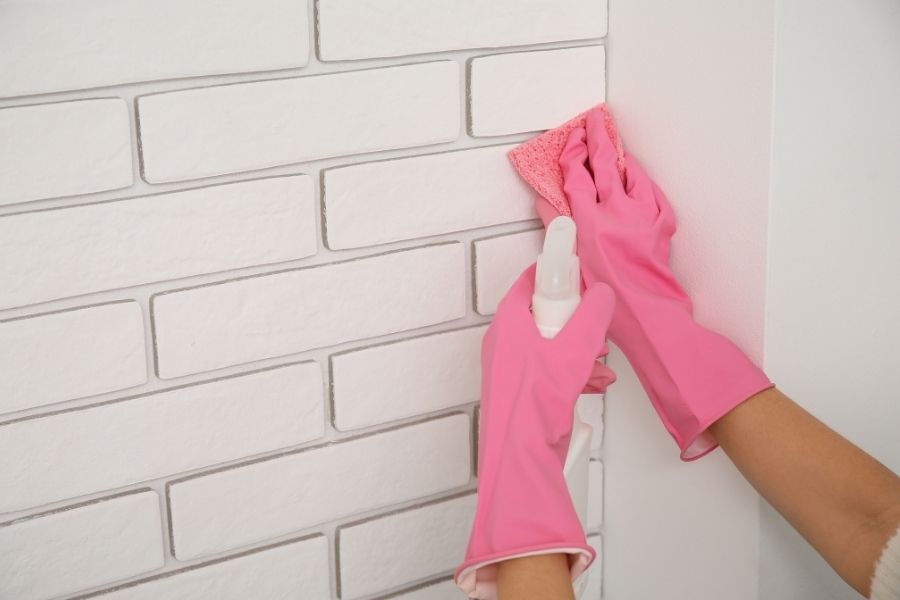
Surface mildew is easy to spot, but hidden mold requires professional detection methods.
When Professional Testing Is Essential
Some situations absolutely require professional assessment. Don't gamble with DIY kits when:
- You've had water damage within the past 12 months. Our article on professional water extraction equipment explains why thorough drying matters.
- You smell musty odors but can't find the source.
- Family members experience unexplained symptoms like persistent coughing or worsening allergies indoors.
- You're buying or selling a home and need documented results.
- Your basement floods regularly. St. Louis basements face unique challenges, as covered in our guide to winter water risks in Greater St. Louis.
- Insurance claims are involved. Most insurers won't accept DIY test results.
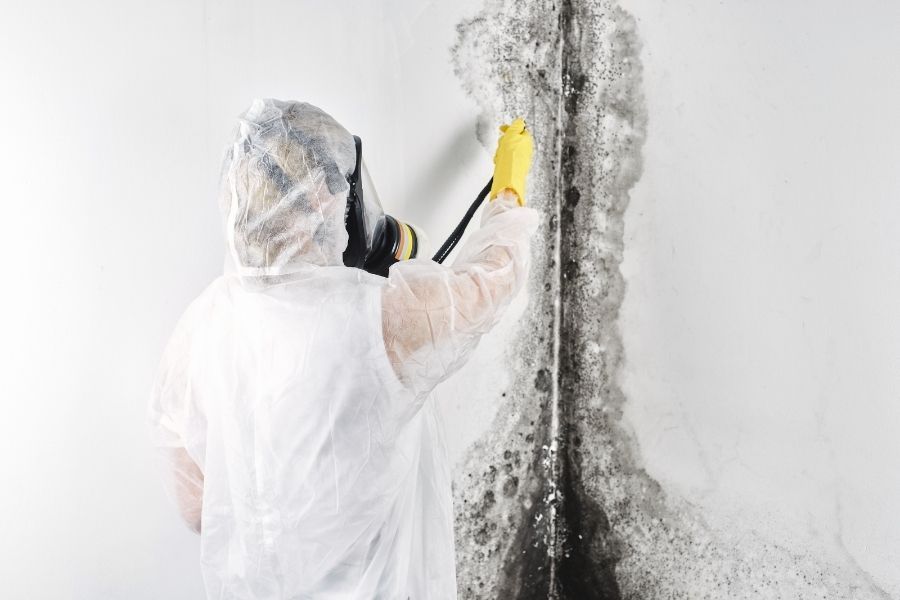
Professional remediation follows IICRC S520 standards for complete mold removal.
DIY vs. Professional Testing: Side by Side
| Factor | DIY Kits | Professional Assessment |
|---|---|---|
| Accuracy | Low to moderate | High (accredited labs) |
| Species identification | Rarely included | Standard |
| Source identification | No | Yes (thermal imaging, moisture meters) |
| Indoor/outdoor comparison | No | Yes |
| Insurance accepted | Rarely | Yes |
The Bottom Line on DIY Mold Testing
DIY mold kits aren't worthless, but they have serious limitations. If you're just curious and have no symptoms or visible issues, a DIY test might satisfy your curiosity. But if you're dealing with health concerns, water damage history, or real estate transactions, professional testing provides the accurate answers you actually need.
At ABC Environmental Contracting Services, we've helped St. Louis families navigate basement mold situations from minor surface growth to extensive hidden contamination. With over 20 years of combined experience and IICRC-certified technicians, we provide honest assessments and clear recommendations.
Not sure if you need professional testing? Give us a call to discuss your situation. We're happy to help you figure out the right next step.
Frequently Asked Questions
Are DIY mold test kits accurate enough for peace of mind?
DIY kits can confirm mold spores are present, but since spores exist everywhere naturally, this rarely provides meaningful peace of mind. Without indoor/outdoor comparison and species identification, you won't know if results indicate an actual problem.
How much does professional mold testing cost compared to DIY kits?
DIY kits typically cost $10 to $50. Professional mold inspections vary based on home size and testing scope, but provide significantly more value: accurate species identification, source detection, and a clear remediation plan if needed.
Can I use a DIY test result to file an insurance claim?
Most insurance companies will not accept DIY mold test results as valid documentation. Professional testing from an accredited laboratory provides the documentation insurers require for mold-related claims.
What does a professional mold inspection include that DIY tests don't?
Professional inspections include visual assessment, moisture meter readings, thermal imaging, air sampling with outdoor controls, species identification through accredited labs, and detailed reports with remediation recommendations.
Dan and Tina Benton are the owners of ABC Environmental Contracting Services, a veteran-owned restoration company serving the St. Louis Metro East area. Together, they bring over two decades of expertise in water damage restoration, mold remediation, and asbestos removal for both residential and commercial properties. They're committed to serving their community with integrity and dedication, providing 24/7 emergency response when disaster strikes.