How Winter Weather Patterns Create Unique Water Risks in Greater St. Louis
Jump To:
Winter in the St. Louis metro area brings weather patterns that catch even experienced homeowners off guard. At ABC Environmental Contracting Services, our team responds to water damage emergencies throughout the season, and we've noticed something interesting: most winter water damage doesn't happen during the coldest days. It happens when temperatures swing wildly between freezing and thawing.
That's the reality of living here. One day it's 15 degrees, the next it's pushing 50. Your pipes, roof, and foundation constantly adjust to these shifts, and that's where problems start.
St. Louis Winter Vulnerability Timeline
Not all winter months pose the same risks. Here's how water damage threats typically unfold across the season.
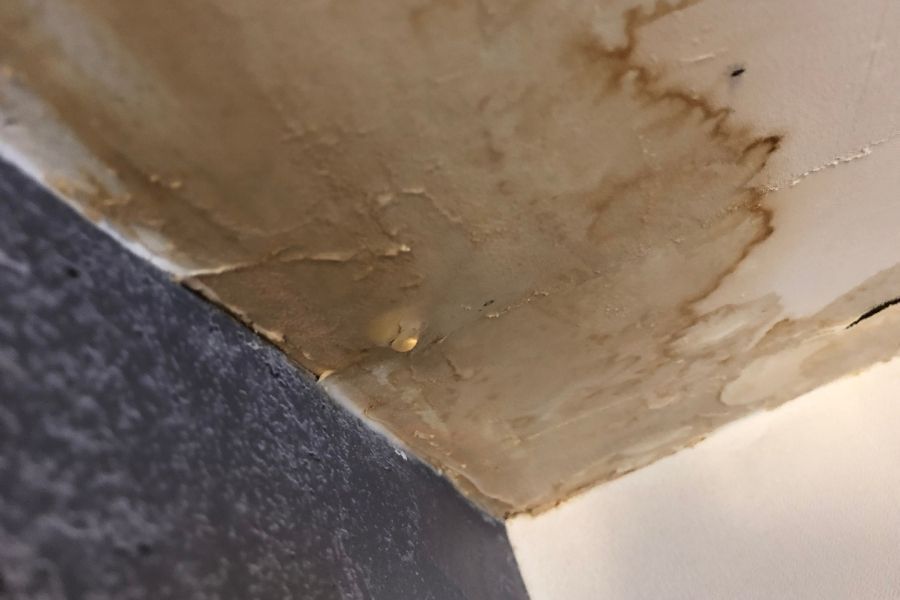
Ceiling stains often appear after ice dams form during temperature swings.
December: Early Warning Signs
December brings the first hard freezes. Pipes in exterior walls, crawl spaces, and unheated garages face their initial stress test. Many homeowners don't realize their pipe insulation has degraded until that first deep freeze arrives.
January and February: Peak Risk Period
These months bring our highest volume of emergency calls. A 40-degree swing over 48 hours isn't unusual here, and those rapid changes create stress on plumbing and roofing materials. Ice dams become serious concerns when snow accumulates, partially melts from attic heat, then refreezes at the roof edge. We recently helped a Chesterfield family dealing with ice dam damage affecting their ceiling and walls.
Late February Through March: The Thaw
Snowmelt combined with spring rains creates the biggest risk. Frozen ground can't absorb water, so it flows toward your foundation. Sump pumps work overtime, and according to IICRC S500 industry standards, delayed water extraction can lead to mold growth within 48 hours.
Worried about winter water damage in your home?
Schedule a Free ConsultationOr call us 24/7 at (314) 668-1509
The Freeze-Thaw Cycle Problem
Here's what happens inside your walls during a typical St. Louis winter week. On Monday, temperatures drop to 10 degrees. Water in a pipe running through an exterior wall begins to freeze. Ice expands with about 2,000 pounds of pressure per square inch, and the pipe bulges slightly.
On Wednesday, it warms to 45 degrees. The ice melts. Water flows normally. You have no idea anything happened.
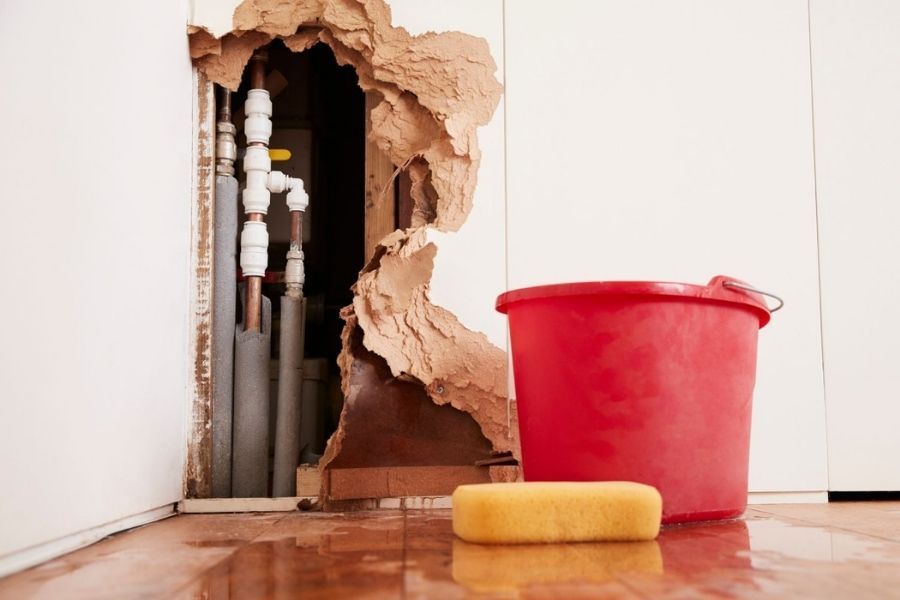
Burst pipes often fail during a thaw, not during the coldest weather.
This cycle repeats multiple times throughout winter. Each freeze weakens the pipe a little more. Then one day, that weakened section gives way. The same principle applies to your roof as shingles expand and contract, and flashing works loose over time.
Prevention Strategies That Work
Preventing winter water damage requires addressing vulnerabilities before temperatures drop.
| Area | Prevention Task | When |
|---|---|---|
| Pipes | Add insulation to exposed pipes in crawl spaces and garages | Before first freeze |
| Gutters | Clean debris and check drainage away from foundation | Late November |
| Attic | Check insulation and ventilation to prevent ice dams | Early December |
| Sump Pump | Test operation and consider battery backup | Monthly |
| Outdoor Faucets | Disconnect hoses and install insulated covers | Before first freeze |
For pipes in especially vulnerable locations, consider heat tape that activates automatically when temperatures drop. Keep cabinet doors under sinks open during extreme cold to let warm air circulate. And yes, letting faucets drip during the coldest nights really works.
Ice dams form when your attic is warmer than outside air. Heat escapes through inadequate insulation, melting snow that refreezes at the eaves. If you notice signs of moisture in your attic, address it before winter arrives.
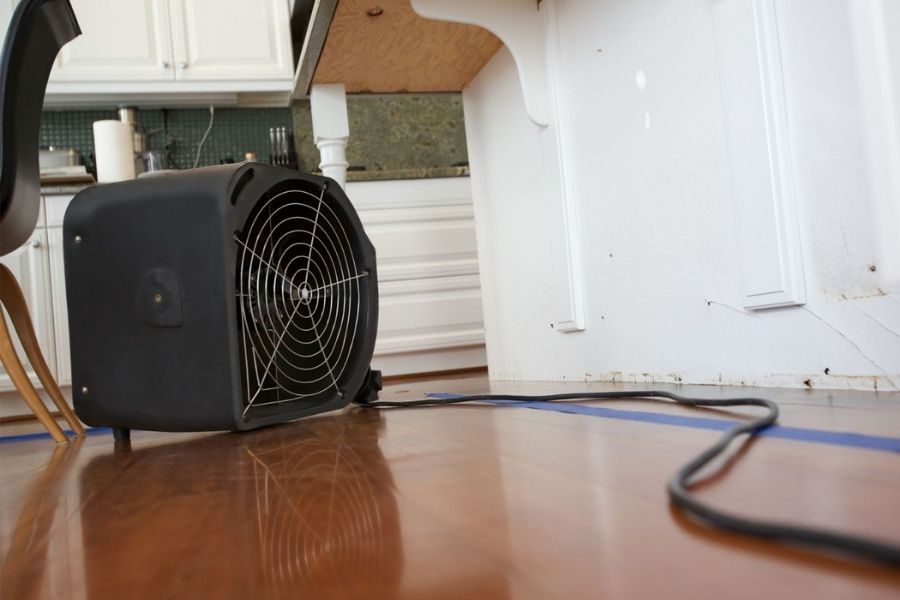
Professional drying equipment prevents secondary damage after water emergencies.
Emergency Preparation Checklist
Even with prevention measures, winter water emergencies can still happen. Having a plan ready makes a significant difference.
- Know your main water shutoff location. Practice turning it off so you can act quickly. Most St. Louis homes have the shutoff near the water meter in the basement.
- Keep a flashlight and basic tools accessible. Power outages during winter storms are common.
- Save emergency contacts on your phone. Include a restoration company that offers 24/7 response.
- Document your belongings. Photos and videos help with insurance claims.
If you discover water damage, act quickly. Turn off the water supply. Move valuables away from the affected area. Take photos before cleanup begins. Then call professionals immediately.
Water damage doesn't wait, and neither do we.
Our veteran-owned team responds 24/7 across the St. Louis metro area, including Chesterfield, Florissant, and the Metro East.
(314) 668-1509Frequently Asked Questions
Why do pipes burst during a thaw instead of during the coldest weather?
Pipes typically burst during a thaw because ice blockages prevent water from flowing while solid. Pressure builds between the blockage and closed faucet. Once ice begins melting, that pressure finds the weakest point, often already damaged by expansion during the freeze.
How quickly does mold develop after winter water damage?
Mold can begin developing within 24 to 48 hours after water damage, even during winter. Heated indoor spaces provide ideal conditions despite cold outdoor temperatures. Professional water extraction should begin as soon as possible.
Does homeowners insurance cover frozen pipe damage in Missouri?
Most Missouri policies cover sudden water damage from frozen pipes. However, coverage may be denied if the home was not adequately heated. Document damage with photos and keep records of heating bills as evidence of proper maintenance.
Winter water damage doesn't have to catch you by surprise. With the right preparation and quick action, you can protect your home through even the wildest St. Louis weather swings. If you need help, our team at ABC Environmental Contracting Services is available around the clock. Contact us or call (314) 668-1509 any time.
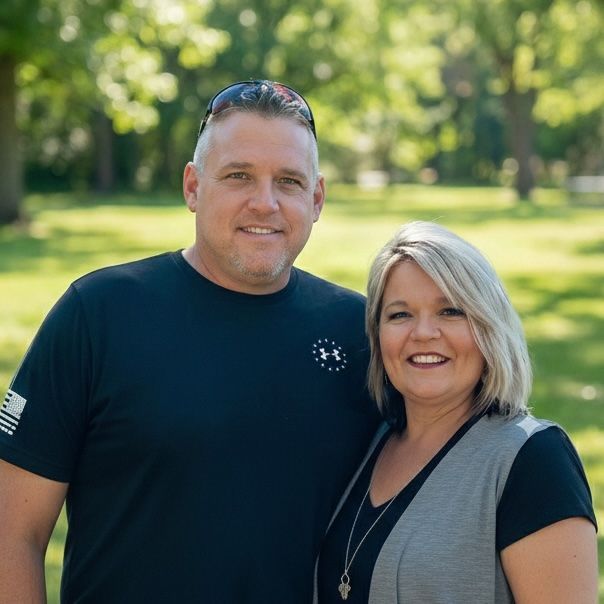
Dan and Tina Benton are the owners of ABC Environmental Contracting Services, a veteran-owned restoration company serving the St. Louis Metro East area. Together, they bring over two decades of expertise in water damage restoration, mold remediation, and asbestos removal for both residential and commercial properties. They're committed to serving their community with integrity and dedication, providing 24/7 emergency response when disaster strikes.