The Real Timeline: What to Expect During Professional Asbestos Containment
Jump To:
When you discover asbestos in your home, the first question is usually "how long will this take?" It's a fair question. Your family needs to know when life returns to normal. Professional asbestos removal and abatement typically takes anywhere from one day for small projects to two weeks or more for extensive contamination. The timeline depends on the size of the affected area, the type of materials involved, and accessibility.
At ABC Environmental Contracting Services, we've handled asbestos projects across the St. Louis metro area for years. This guide walks you through exactly what happens during professional asbestos containment, day by day. For a real-world example, check out our Florissant family's asbestos discovery story.
Understanding the Professional Asbestos Removal Timeline
Most residential asbestos abatement projects fall into predictable ranges. Small projects involving a single room might wrap up in one to three days. Medium-sized projects covering multiple rooms typically run three to seven days. Larger whole-house projects can extend to two weeks or longer.
Several factors influence your specific timeline. The square footage matters, but so does the condition of the asbestos-containing materials. Friable asbestos (the kind that crumbles easily) requires more careful handling than non-friable materials. According to the EPA's guidelines on asbestos exposure, proper containment and removal procedures are essential for protecting your family's health.
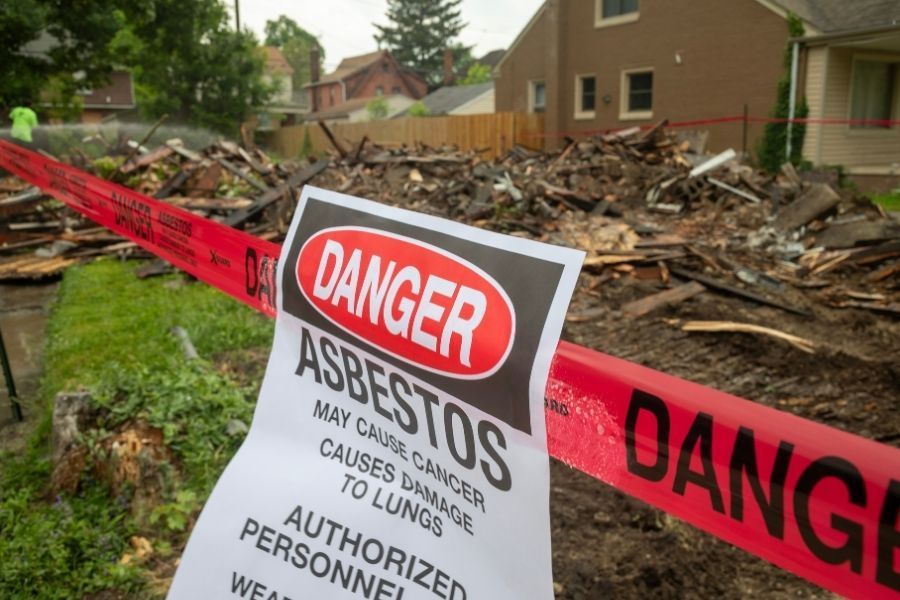
Clear warning signage marks containment zones throughout your home during abatement.
Day-by-Day Asbestos Abatement Breakdown
Knowing what each day brings helps reduce anxiety. Here's what a typical five-day residential abatement project looks like.
Day 1: Setup and Containment
The first day focuses on preparation. Crews establish containment barriers using heavy plastic sheeting, sealing off doorways, windows, and HVAC vents. Negative air pressure systems get installed to prevent fiber migration. Proper containment is what separates safe removal from dangerous exposure.
Days 2-3: Active Removal
This is when the actual abatement happens. Workers wearing full protective equipment carefully remove asbestos-containing materials. They wet materials before disturbing them to minimize fiber release. Everything gets double-bagged in specially labeled containers for proper disposal at certified facilities. The pace varies depending on material types and accessibility, but expect steady progress through these core work days.
Day 4: Cleaning and Verification
After removal, crews perform thorough HEPA vacuuming of all surfaces within the containment zone. They wipe down every inch of the area, including walls, floors, and any remaining fixtures. Air monitoring may occur to verify fiber levels are within safe limits before proceeding to final clearance.
Day 5: Final Clearance and Breakdown
The last day involves final air testing, dismantling containment barriers, and restoring your space. You'll receive documentation of work completed and disposal manifests.
Questions About Your Asbestos Project Timeline?
Our team provides honest assessments and realistic timelines for every project.
Contact Our TeamPlanning for Family Displacement During Asbestos Work
Here's the reality: you probably can't stay in your home during asbestos abatement. For smaller projects involving one room, you might remain in other areas. But for larger projects affecting central living spaces, temporary relocation is safer. We've covered specifics in our post about living in your home during asbestos abatement work.
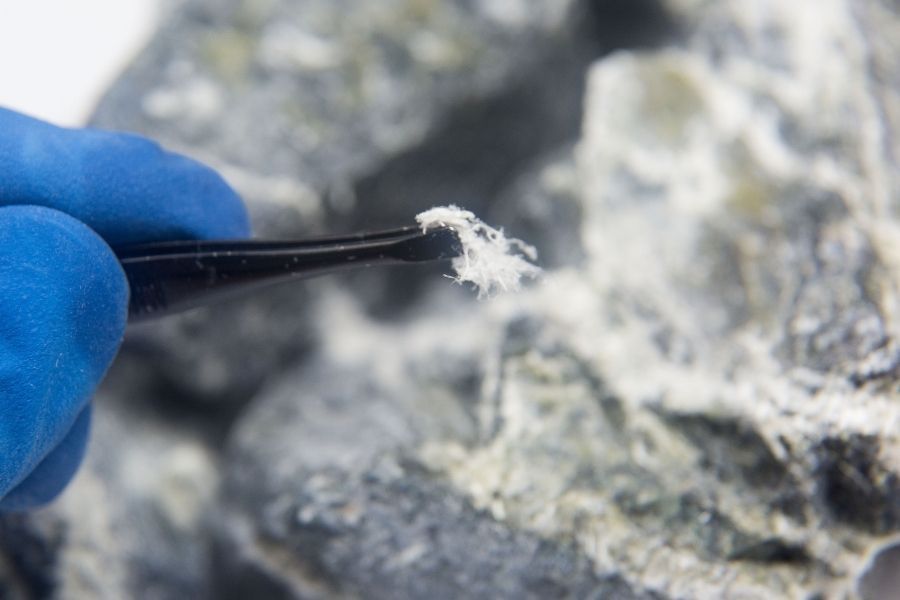
Sample collection confirms the presence and type of asbestos before work begins.
Displacement Planning Checklist
- Identify temporary housing early: Book a hotel or arrange to stay with family before the project starts
- Pack essential items: Medications, documents, clothing, pet supplies, and kids' necessities
- Secure valuables: Remove jewelry, electronics, and irreplaceable items from work areas
- Arrange pet accommodations: Pets should not be in the home during abatement
- Plan for mail and deliveries: Hold packages or redirect them temporarily
The EPA's Indoor Air Quality resource hub provides additional guidance on maintaining safe indoor environments during remediation work.
Key Project Milestones to Expect
Every asbestos project follows specific milestones. Understanding these helps you track progress and know when to expect updates from your contractor.
| Milestone | What Happens | Your Action |
|---|---|---|
| Initial Inspection | Samples collected and sent to lab | Provide access to suspected areas |
| Project Scope Defined | Timeline and costs established | Review and approve work plan |
| Containment Complete | Work area sealed and isolated | Relocate if necessary |
| Removal Complete | All contaminated materials removed | Await clearance testing |
| Final Clearance | Air quality verified safe | Return home, receive documentation |

Proper labeling and documentation tracks every material removed from your property.
Communication During Your Project
A good contractor keeps you informed without overwhelming you. Expect daily check-ins during active work. Ask about preferred communication methods. Our team at ABC Environmental Contracting Services believes you deserve to know what's happening in your home at every stage.
If you're concerned about what might be lurking in an older St. Louis home, our guide on where asbestos hides in homes built before 1975 helps identify potential problem areas.
⚠️ Important Reminder
Never attempt to remove asbestos yourself. Disturbing these materials without proper equipment releases dangerous fibers into the air. Professional abatement protects your family and ensures legal compliance.
Why Timelines Sometimes Change
Even with careful planning, asbestos projects occasionally run longer than expected. Discovery of additional contaminated materials is the most common reason. What looks like a straightforward floor tile removal might reveal asbestos-containing adhesive underneath. Sometimes water damage or mold growth is discovered during abatement, requiring additional remediation. The best contractors build buffer time into estimates and communicate immediately when changes occur.
Frequently Asked Questions
How long does asbestos containment setup take before removal begins?
Containment setup typically takes one full day for residential projects. This includes installing plastic barriers, sealing HVAC systems, setting up negative air pressure machines, and establishing decontamination zones. Rushing this phase compromises safety.
Can I stay in another part of the house during asbestos abatement?
It depends on the project scope. For small, isolated projects, staying in distant parts of the home may be acceptable with proper containment. However, for projects affecting central areas or HVAC systems, temporary relocation is strongly recommended.
What documentation should I receive after asbestos removal?
You should receive a completion certificate, waste disposal manifests, air clearance test results (if performed), and photos documenting the work. Keep these records permanently for future home sales and insurance purposes.
How soon can I return home after asbestos containment is removed?
Once final air clearance testing confirms safe fiber levels and containment barriers are removed, you can typically return the same day. Your contractor will walk through the space with you and provide all documentation.
Ready to Get Started?
Understanding the timeline makes asbestos removal far less stressful. At ABC Environmental Contracting Services, we've spent over 20 years helping St. Louis homeowners navigate these projects safely. As a veteran-owned company available 24/7, we're committed to clear communication and honest timelines.
If you suspect asbestos in your home or have questions about an upcoming project, reach out to our team for a consultation. We'll walk you through exactly what to expect.
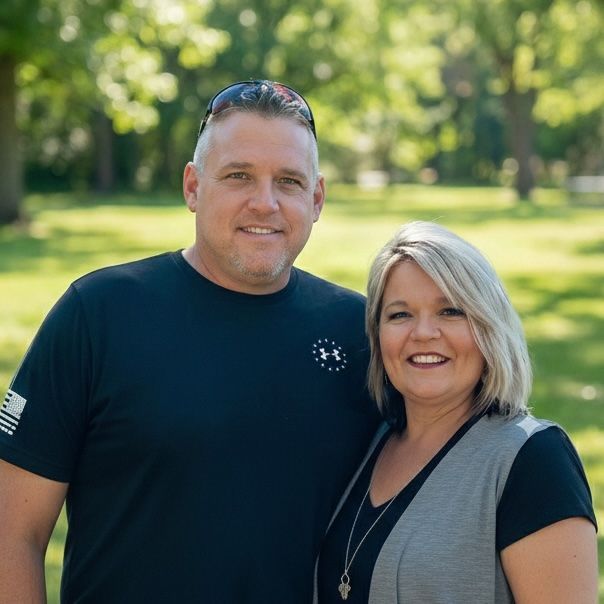
Dan and Tina Benton are the owners of ABC Environmental Contracting Services, a veteran-owned restoration company serving the St. Louis Metro East area. Together, they bring over two decades of expertise in water damage restoration, mold remediation, and asbestos removal for both residential and commercial properties. They're committed to serving their community with integrity and dedication, providing 24/7 emergency response when disaster strikes.