The Damage That Lingers After a Fire: Water, Smoke Odor, and Corrosion
The flames get all the attention, but they're really just the opening act. Long after the trucks pull away, three quieter problems keep chewing through a home: leftover water, stubborn smoke odor, and slow corrosion. Real fire damage restoration means handling all three, not just the charred spots you can see.
Our team at ABC Environmental Contracting Services has walked through plenty of homes days after a fire, and the story is almost always the same. The visible burn was the easy part.
The Fire's Out, So Why Is the Damage Still Spreading?
A fire damages a home in layers, and most of those layers show up after the flames die down. Water soaks into walls and floors. Acidic soot coats every surface it can reach, while odor sinks deep into carpet, drywall, and wood. Left alone, each problem gets worse by the hour.
Here's the part homeowners rarely expect. The heat and smoke often reach rooms the fire never touched. Soot travels through ductwork and gaps around doors, so a kitchen fire can leave a mark on a bedroom two floors up.
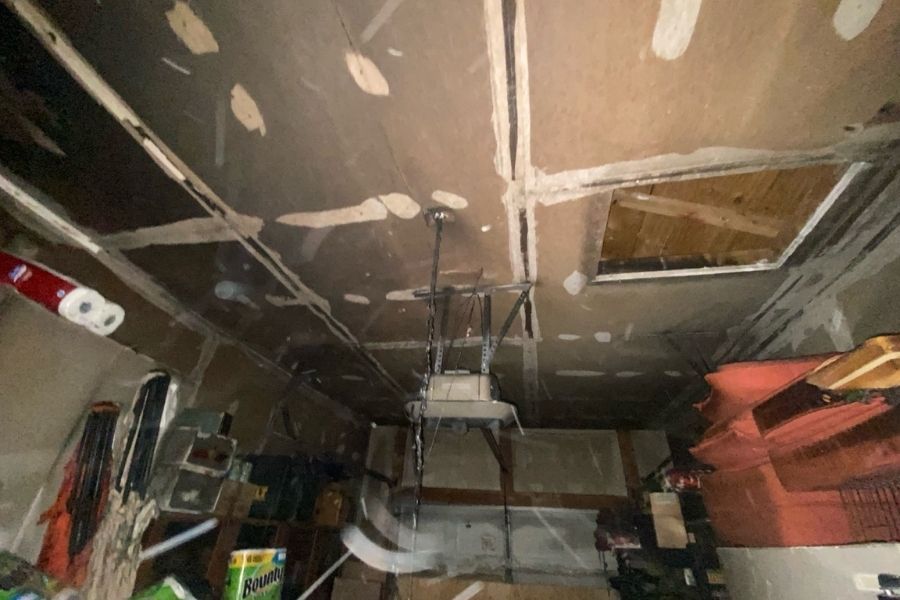
Soot spreads well past the burn zone and clings to ceilings, walls, and vents, which is why smoke damage often looks worse a day or two later.
Firefighting Water: The Second Flood
The water used to put out a fire can cause almost as much trouble as the fire itself. Fire hoses push out hundreds of gallons fast, and all of it has to go somewhere. It pools in floors, runs behind walls, and soaks into insulation you never see.
Once that water settles in, the clock starts on mold. In our humid Missouri summers, it can take hold in a day or two. So a home that survived the fire can still lose drywall, framing, and flooring to moisture nobody dried out.
So we handle fire and water together. You can read more about why our crews tackle fire and water damage at the same time. Fast water damage restoration after a fire keeps a bad day from becoming a bad month.
Dealing with fire damage right now?
Every hour matters once water and soot settle in. We answer the phone 24/7 and can start protecting your home the same day.
Contact Our TeamSmoke Odor That Just Won't Quit
Smoke odor lingers because it isn't just floating in the air, it's baked into your home. Smoke particles are tiny, so they slip into fabric, drywall, carpet padding, and wood. Spraying air freshener over that is like putting a bandage on a leak.
Why the Smell Comes Back After You Clean
You wipe down a wall, it smells fine, and two days later the odor is back. Sound familiar? That's because the source is still trapped inside porous materials, and heat or humidity pulls it back out.
Real odor removal works from the inside out. Our crews clean the surfaces, treat what's underneath, and use professional gear to break down the particles that carry the smell. Our odor removal and deodorization process goes after the cause, not just the symptom. For a closer look, here's how we approach smoke damage cleaning room by room.
Corrosion: The Slow Burn on Metal and Wiring
Corrosion is the sneakiest fire aftereffect because it works silently. Soot is acidic, and when it lands on metal it starts eating away at the surface. Left in place, it can ruin electronics, appliances, fixtures, and wiring within days.
The scary part is what you can't see. Soot settles inside outlets, switches, and appliances, where it keeps corroding connections long after the fire. When we clean soot from metal early, we often save fixtures that would've been a total loss a week later.
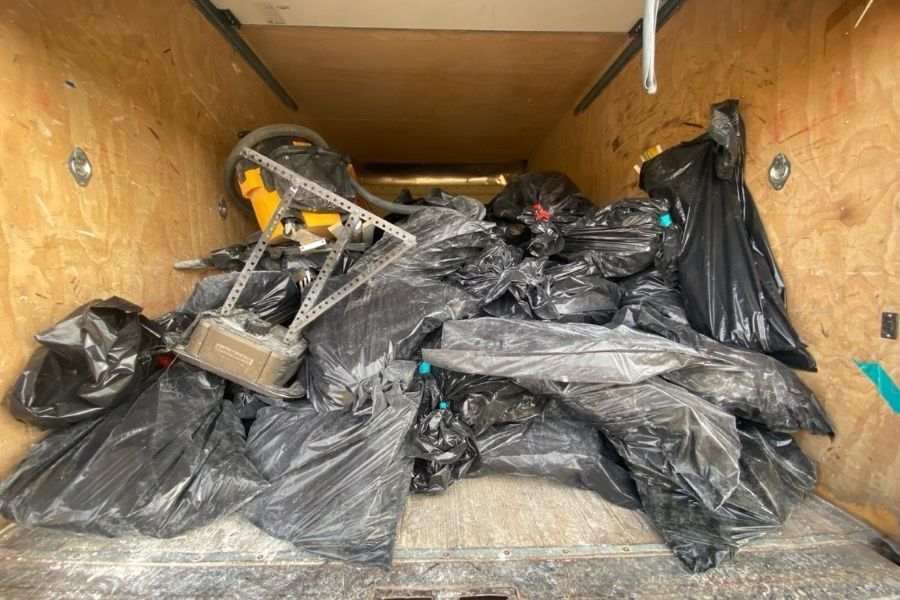
Sorting salvageable items from losses early keeps acidic soot from corroding metal, electronics, and fixtures beyond repair.
Three Types of Damage, One Timeline
Hours 0 to 24: Water spreads into walls and floors. Soot settles and starts corroding metal.
Days 1 to 3: Mold can begin growing. Odor sinks deeper into fabric and drywall.
Day 3 and beyond: Corrosion becomes permanent. Salvageable items turn into losses.
Signs of Lingering Fire Damage to Watch For
Some fire damage hides until it becomes expensive. If you've had a fire, even a small one, watch for these warning signs in the days and weeks that follow.
- A smoky smell that returns when it's warm or humid
- Yellow or brown staining bleeding through fresh paint
- Damp spots, soft drywall, or a musty odor that points to trapped water
- Rust or pitting on metal fixtures, hinges, or appliances
- Outlets or switches that spark, buzz, or feel warm
- Electronics that stop working weeks after the fire
See any of these? Don't wait it out. The sooner we look, the more we can usually save.
| Lingering Problem | What It Harms | Why Speed Matters |
|---|---|---|
| Firefighting water | Drywall, framing, flooring, insulation | Mold can start within a day or two |
| Smoke odor | Fabric, carpet, wood, belongings | The deeper it sinks, the harder it is to remove |
| Acidic soot | Metal, wiring, electronics, fixtures | Corrosion can turn permanent in days |
How Our Team Stops the Damage That Lingers
Stopping lingering damage comes down to acting fast and treating the whole problem at once. We assess water, soot, and odor together, then work through them in the right order so one issue doesn't undo the fix for another. That's the difference between a home that recovers and one that keeps giving you trouble.
Our crews are veteran-owned and available around the clock, with more than 20 years of combined experience across the St. Louis metro. We follow recognized restoration standards, so the work holds up. The IICRC S700 standard for fire and smoke restoration guides how professionals handle this the right way.
We also lean on trusted safety guidance. The U.S. Fire Administration's "After the Fire" guide is a solid read for any homeowner working through recovery. And because we serve the whole region, our St. Louis team can often be on site fast when timing counts.
Fire Damage FAQs
How soon should water be removed after a house fire?
As soon as it's safe to enter. Firefighting water starts soaking into materials right away, and mold can begin growing within a day or two in Missouri's humidity. Fast drying protects your drywall, framing, and floors.
Why does my house still smell like smoke after cleaning?
Because smoke particles hide deep inside fabric, drywall, and wood, not just on the surface. Heat and humidity pull that odor back out, so it returns even after you wipe things down. Removing it for good takes treatment that reaches the trapped source.
Can soot really damage my electronics and wiring?
Yes. Soot is acidic and settles inside outlets, switches, and appliances, where it corrodes metal connections over days. That creates both a repair problem and a safety hazard, so soot on metal should be cleaned quickly.
Do you handle fire and water damage at the same time?
We do. Since firefighting almost always leaves water behind, we treat both together so moisture doesn't lead to mold while soot keeps corroding surfaces. Handling them at once saves time and saves more of your home.
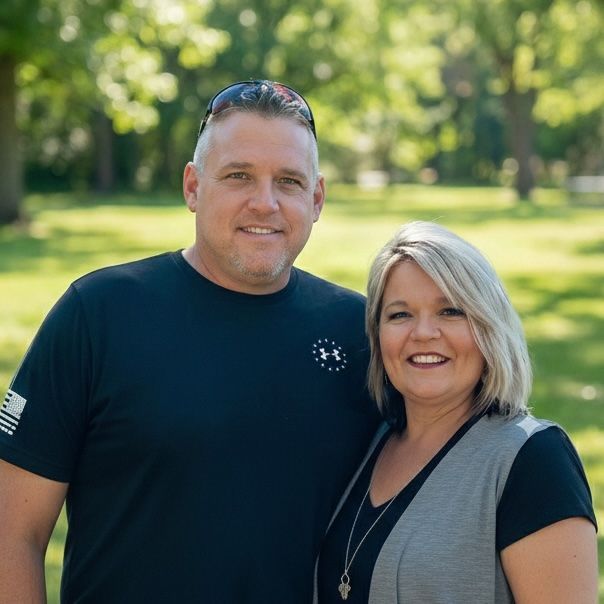
Dan and Tina Benton are the owners of ABC Environmental Contracting Services, a veteran-owned restoration company serving the St. Louis Metro East area. Together, they bring over two decades of expertise in water damage restoration, mold remediation, and asbestos removal for both residential and commercial properties. They're committed to serving their community with integrity and dedication, providing 24/7 emergency response when disaster strikes.