Filing a Fire Damage Insurance Claim in Missouri: A Homeowner's Guide
Jump To
- What a Fire Damage Insurance Claim in Missouri Covers
- How to Document Your Scope of Loss
- Working With Your Insurance Adjuster
- Mistakes That Get Fire Claims Reduced or Denied
- Frequently Asked Questions
A fire damage insurance claim in Missouri comes down to three things: writing down what you lost, knowing how your policy splits structure from contents, and talking clearly with your adjuster. Get those right and your claim moves faster. Our team at ABC Environmental Contracting Services has walked St. Louis homeowners through filing a fire damage insurance claim for over 20 years, often starting restoration work while the claim is still open.
A house fire is one of the worst days a family can have. The insurance paperwork that follows shouldn't add to the stress. Here's how the claim really works, in plain words, so you know what to expect before you call.
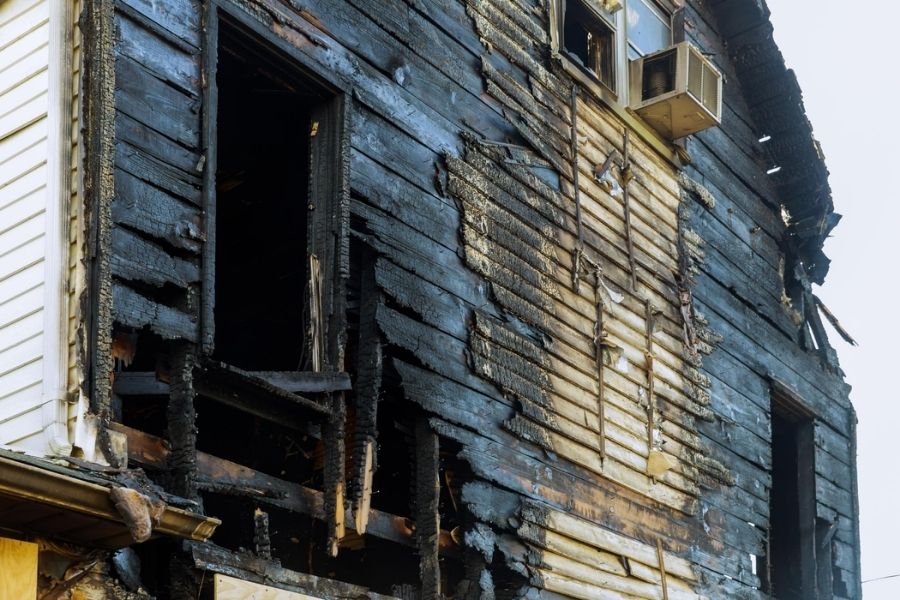
Exterior fire damage like this is only part of the loss. Smoke and soot usually travel far beyond the burned rooms, which matters when you file.
What a Fire Damage Insurance Claim in Missouri Covers
Most Missouri homeowners policies cover fire damage in two separate buckets: structure and contents. Structure pays to repair or rebuild the home. Contents pays to clean, repair, or replace your belongings. Knowing which bucket a loss falls into decides how it gets paid.
Structure (Dwelling) Coverage
Structure coverage, often listed as "Dwelling" or "Coverage A," handles the building itself. That means framing, drywall, floors, cabinets, the roof, and fixtures attached for good. Smoke counts too. It also covers the parts of the house smoke reached, even if flames never did.
This is where full rebuilds and repairs live. After the fire is out, the structure often needs smoke and soot removal before anyone can tell what's salvageable and what has to go.
Contents (Personal Property) Coverage
Contents coverage, usually "Coverage C," pays for your belongings. Furniture, clothing, electronics, dishes, and the things that make a house yours. In Missouri, many policies pay contents claims at replacement cost. Some pay actual cash value instead, which counts in age and wear.
Not everything has to be thrown out. A lot of soft goods and household items can be professionally cleaned and returned to you, which is where cleaning smoke-damaged belongings saves families real money on the claim.
Fire damage doesn't wait, and neither should you.
The sooner soot and smoke residue are handled, the more of your home and belongings can be saved. That protects both your property and your claim.
Contact Our TeamHow to Document Your Scope of Loss
Your scope of loss is the full list of everything the fire damaged. It's the backbone of your claim. The more you write down, the harder it is for a claim to get cut short.
Build the list before cleanup starts. Once items are moved or tossed, proving them gets tough.
Here's a documentation checklist that holds up well with Missouri adjusters:
- Photograph and video every room, including closets, drawers, and the garage, before touching anything.
- List damaged belongings with brand, model, approximate age, and what you paid if you remember.
- Keep receipts for any emergency lodging, meals, or supplies, since loss-of-use coverage may reimburse them.
- Save damaged items when you safely can, at least until the adjuster sees them.
- Write down the date and time of the fire and the responding fire department report number.
If pulling this together feels like a lot right after a fire, that's normal. Restoration crews log fire damage for claims every day.
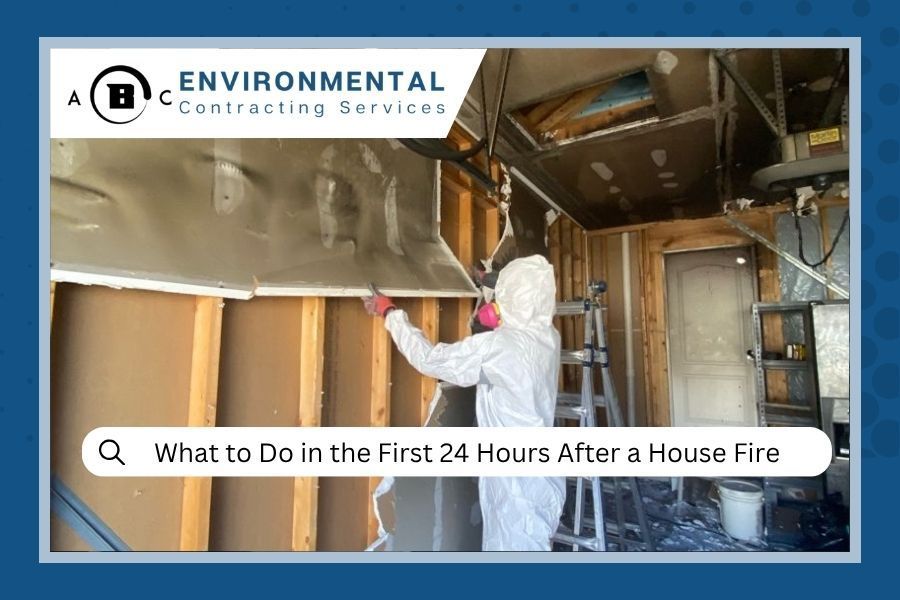
A good one hands you photos, moisture readings, and clear notes that plug straight into your file. You can see how that plays out in a St. Louis garage fire we handled, where soot traveled through the whole home.
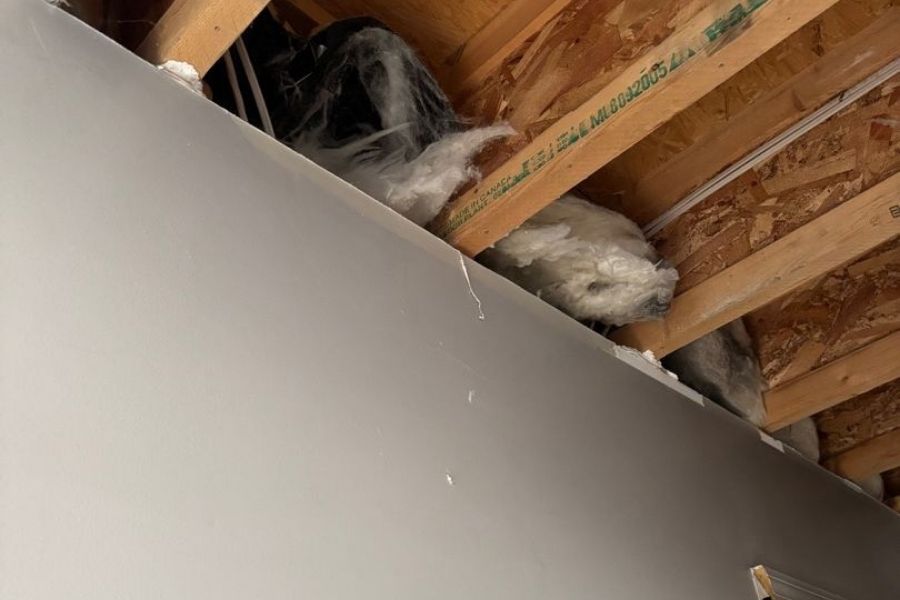
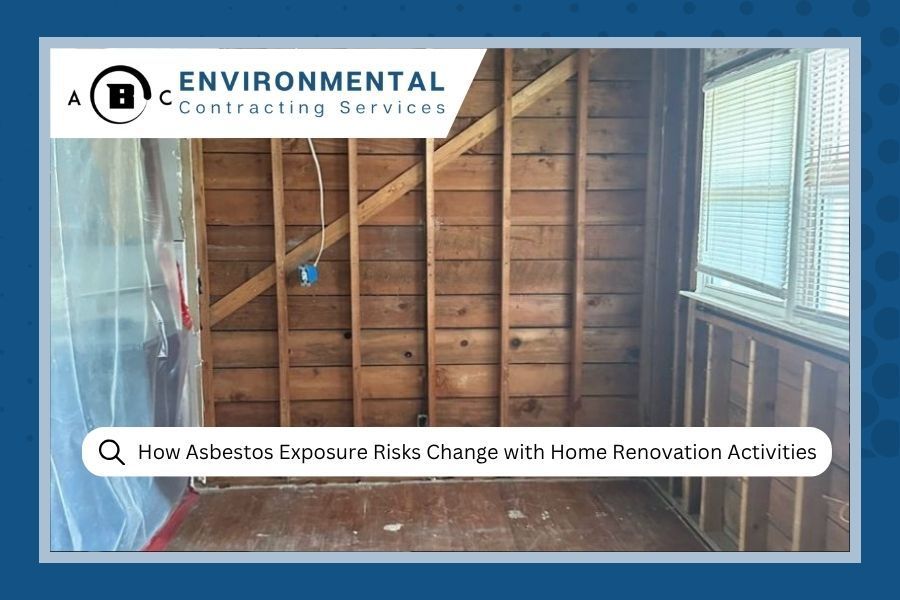
Once damaged materials are removed, the true scope of a fire loss becomes clear. Documenting each stage keeps your claim accurate.
Working With Your Insurance Adjuster
Your adjuster looks at the damage and sets a dollar figure on your claim. So this relationship matters. Be organized, be honest, and be there for the visit. Adjusters work faster and fairer when the homeowner shows up ready, with records in hand.
A few things smooth the process. Report the loss quickly. Ask for your claim number in writing.
Get the adjuster's estimate line by line so you can check it against your own list. If your numbers and theirs are far apart, you can ask for a second look or a supplement.
You can also have your restoration contractor talk straight with the adjuster. That talk catches hidden damage a quick walkthrough misses. Think soot inside air ducts or heat damage behind walls. We break down that back-and-forth in our guide on how we coordinate with your insurance team.
| Coverage Type | What It Pays For | How It Usually Settles |
|---|---|---|
| Structure (Dwelling) | The home itself: framing, drywall, roof, floors, fixtures | Repair or rebuild cost, paid as work is completed |
| Contents (Property) | Belongings: furniture, clothing, electronics, dishes | Replacement cost or actual cash value, per your policy |
| Loss of Use | Temporary lodging and extra living costs | Reimbursed with saved receipts |
Mistakes That Get Fire Claims Reduced or Denied
Fire claims rarely fall apart because of the fire itself. They stall because of paperwork gaps and rushed choices. Watch out for these common ones:
- Throwing out damaged items too soon. If the adjuster never sees it, it's hard to pay for it.
- Starting permanent repairs before inspection. Emergency work to prevent further damage is fine, but hold off on full rebuilds until you're cleared.
- Not reporting all the smoke damage. Smoke and soot spread through rooms the flames never touched, and that damage is covered.
- Missing filing deadlines. Report the loss promptly and respond to your insurer's requests on time.
If a claim is delayed or denied and you believe it's unfair, Missouri gives you a path. You can file a complaint with the state through the Department of Commerce and Insurance, which oversees how insurers handle claims. For general guidance, the Missouri Department of Commerce and Insurance also runs a consumer hotline. Timing matters on the restoration side too, something we cover in timing your call after a loss.
Dealing With Fire Damage in the St. Louis Area?
We're veteran-owned, available 24/7, and experienced with the insurance side of restoration. Let us handle the cleanup and the documentation while you focus on your family.
See How We Serve St. LouisFrequently Asked Questions
How long do I have to file a fire damage claim in Missouri?
Report the loss to your insurer as soon as you safely can, ideally within days. Your policy sets the deadline, and most require "prompt" notice. Waiting too long gives the insurer a reason to question or deny the claim.
Will my rebuild and my belongings be paid under the same coverage?
No. The rebuild falls under structure coverage, while your belongings fall under contents coverage. They're listed apart on your policy, each with its own limit. They often settle on different terms too.
Can smoke damage be claimed if the fire was in another room?
Yes. Smoke and soot travel through a home and coat surfaces far from the flames. That damage is part of your covered loss, so document every affected room, not just the burned area.
Should I clean up before the adjuster arrives?
Do only the emergency work needed to prevent more damage, like boarding a window. Hold off on full cleanup and repairs until the adjuster inspects, and photograph everything first so nothing goes undocumented.

Dan and Tina Benton are the owners of ABC Environmental Contracting Services, a veteran-owned restoration company serving the St. Louis Metro East area. Together, they bring over two decades of expertise in water damage restoration, mold remediation, and asbestos removal for both residential and commercial properties. They're committed to serving their community with integrity and dedication, providing 24/7 emergency response when disaster strikes.