Garage Fire Sends Smoke and Soot Through Entire St. Louis Home
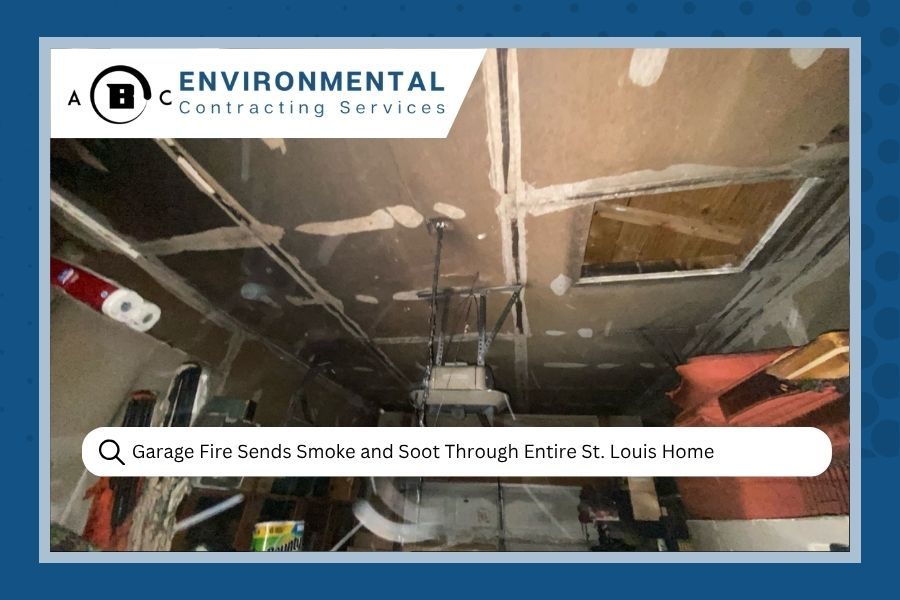
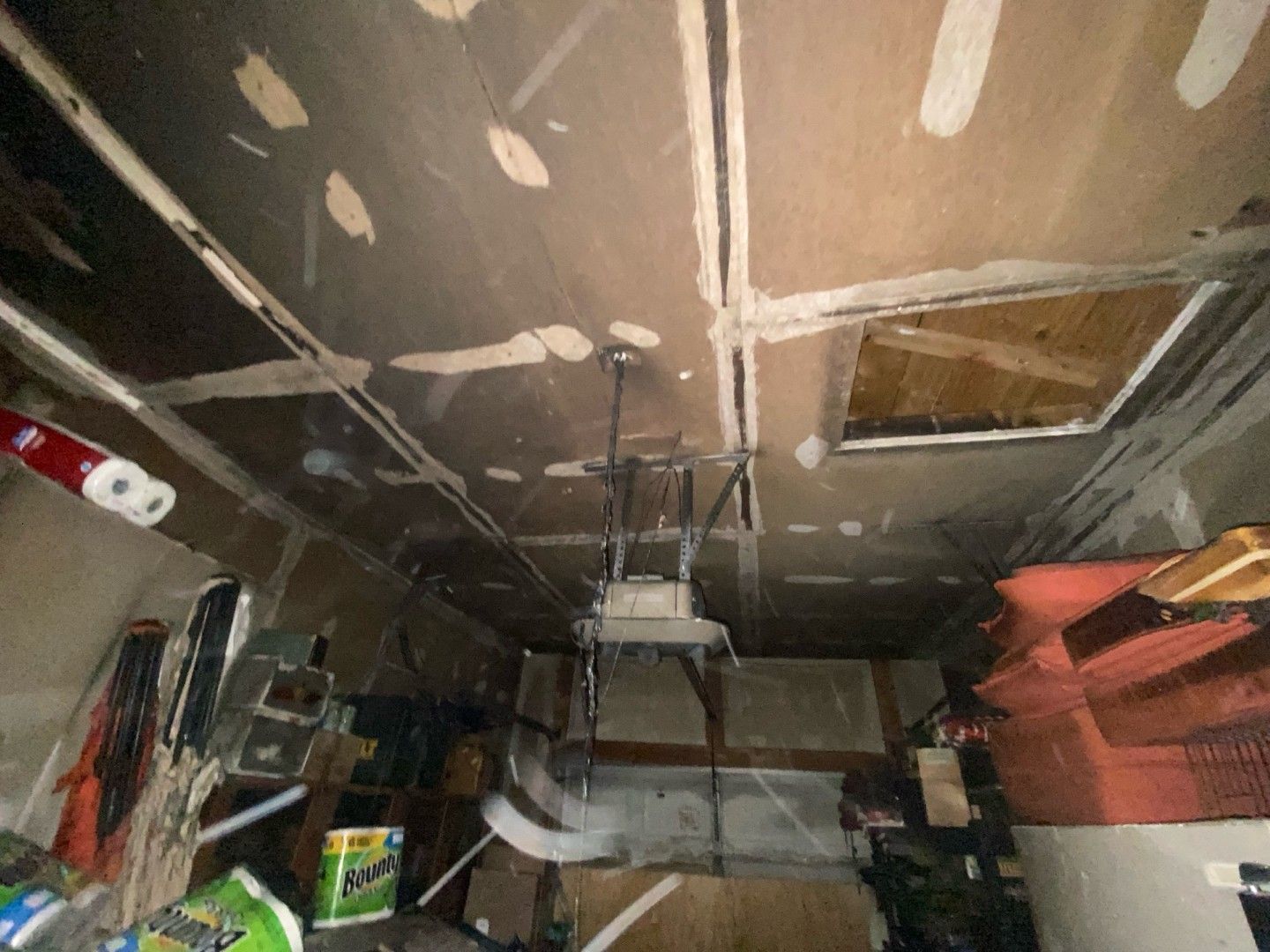
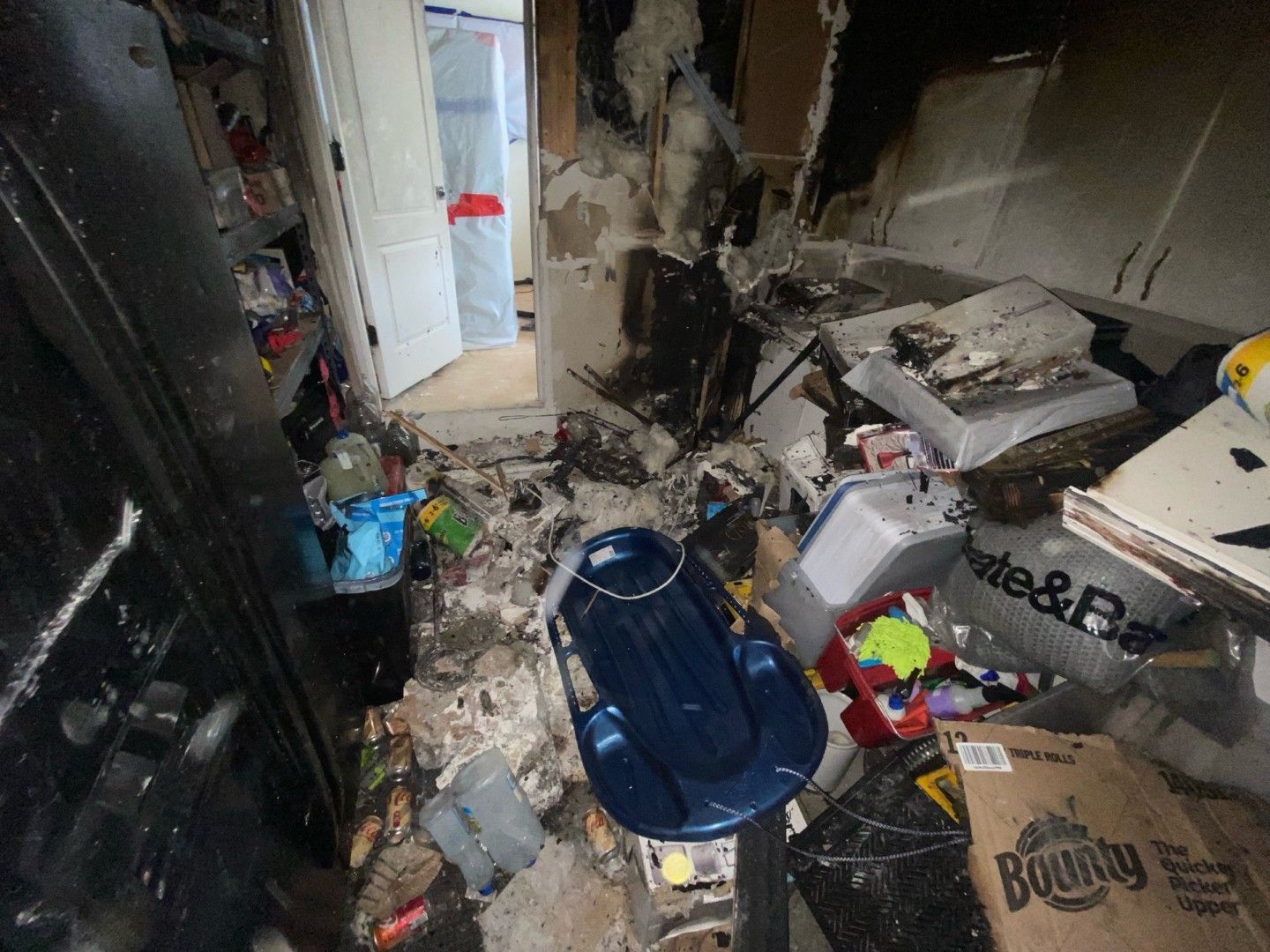
A garage fire is one of those things that can spiral fast. The flames might stay contained to one area, but the smoke? That travels everywhere. When our team at ABC Environmental Contracting Services got the call for this fire damage restoration project in the St. Louis area, the homeowner was dealing with exactly that scenario. A fire had broken out in the attached garage, and by the time it was put out, smoke and soot had pushed through the HVAC system and into nearly every room in the house.
The garage itself took the biggest hit. But the kitchen, dining room, living spaces, and even parts of the basement all had visible contamination. That's the thing about fire damage that catches most people off guard. The fire doesn't have to physically reach a room for that room to need serious work.
Assessing the Full Scope of Smoke and Soot Damage
Our first step was a thorough site visit to understand just how far the contamination had spread. Smoke follows the path of least resistance, and HVAC ductwork is basically a highway for it. Every register, every vent, every return became an entry point for soot particles. We found heavy residue in the garage and kitchen, with lighter but still significant contamination in the dining area, living room, and basement ceiling.
From there, we put together a plan that covered mitigation, contents handling, selective demolition, structural cleaning, and documentation for the insurance process. Coordination is everything on a job like this, and we wanted to move quickly without cutting corners.
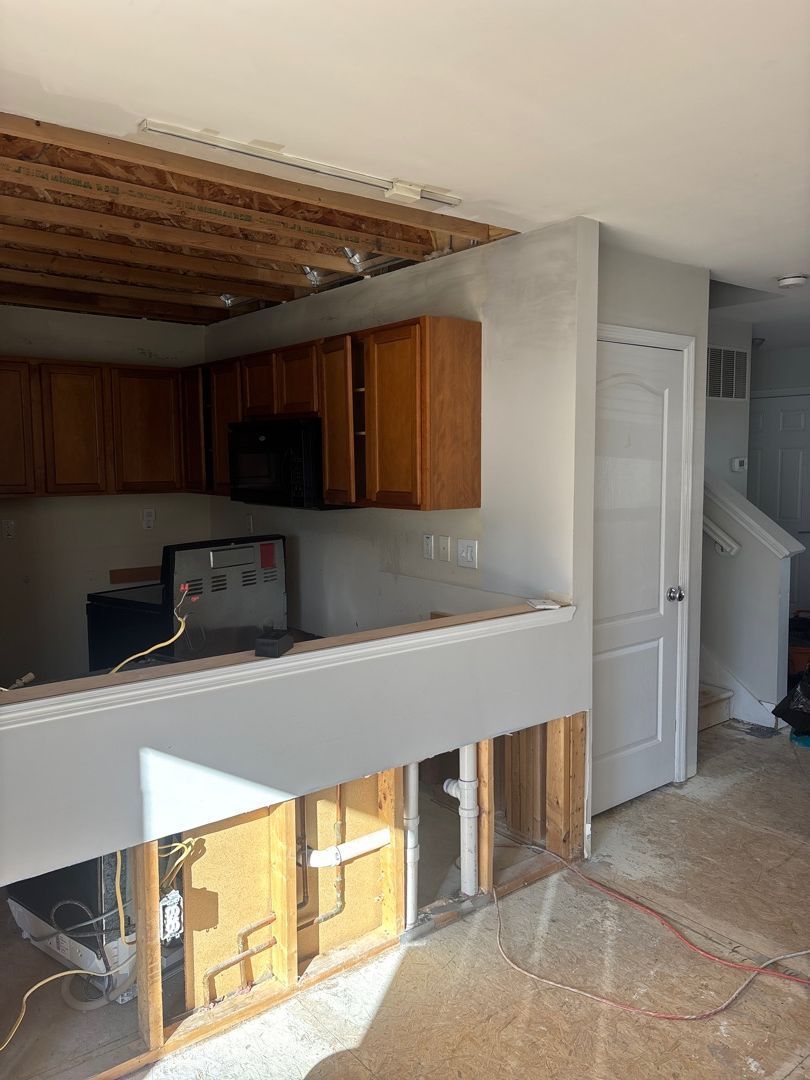
Initial fire and smoke damage throughout the home:
 |
 |
 |
Demolition and Material Removal
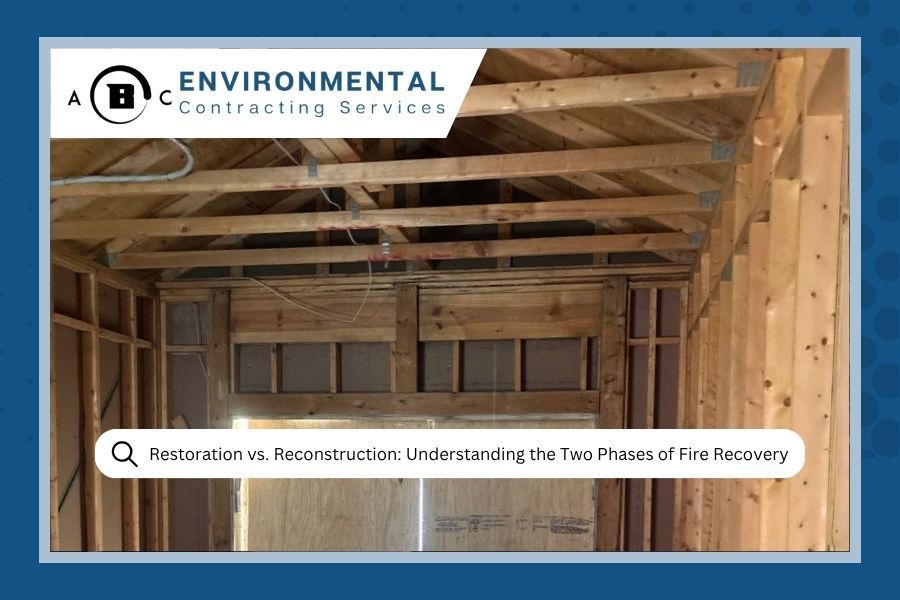
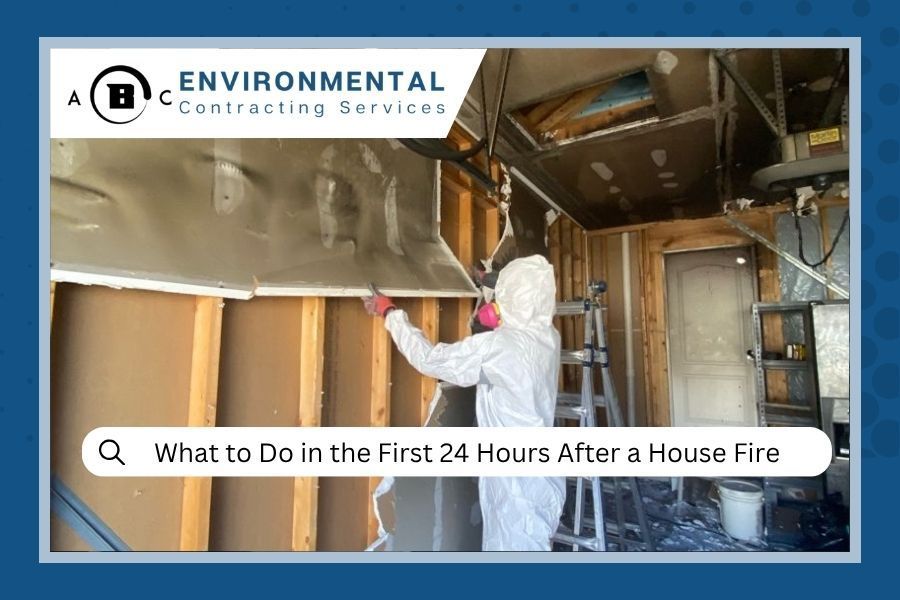
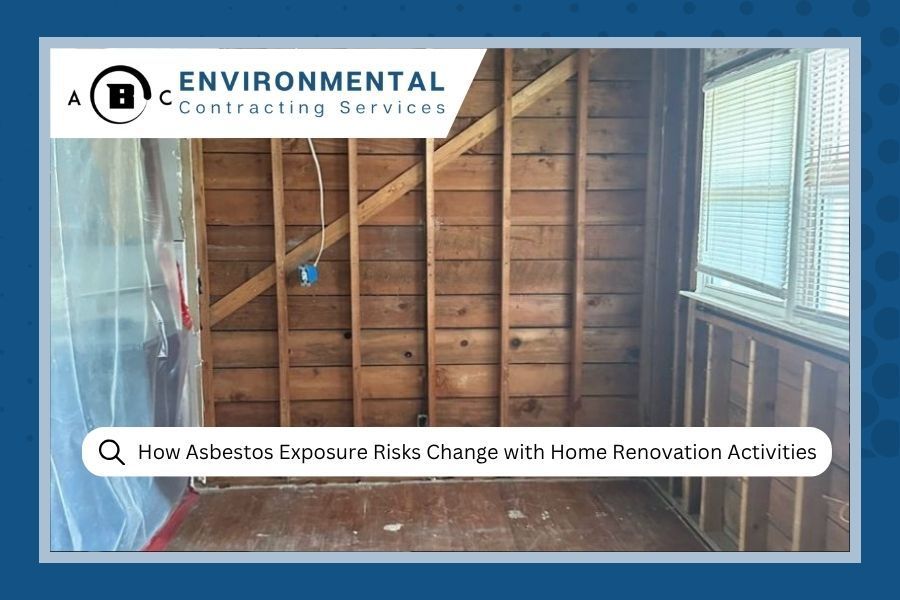
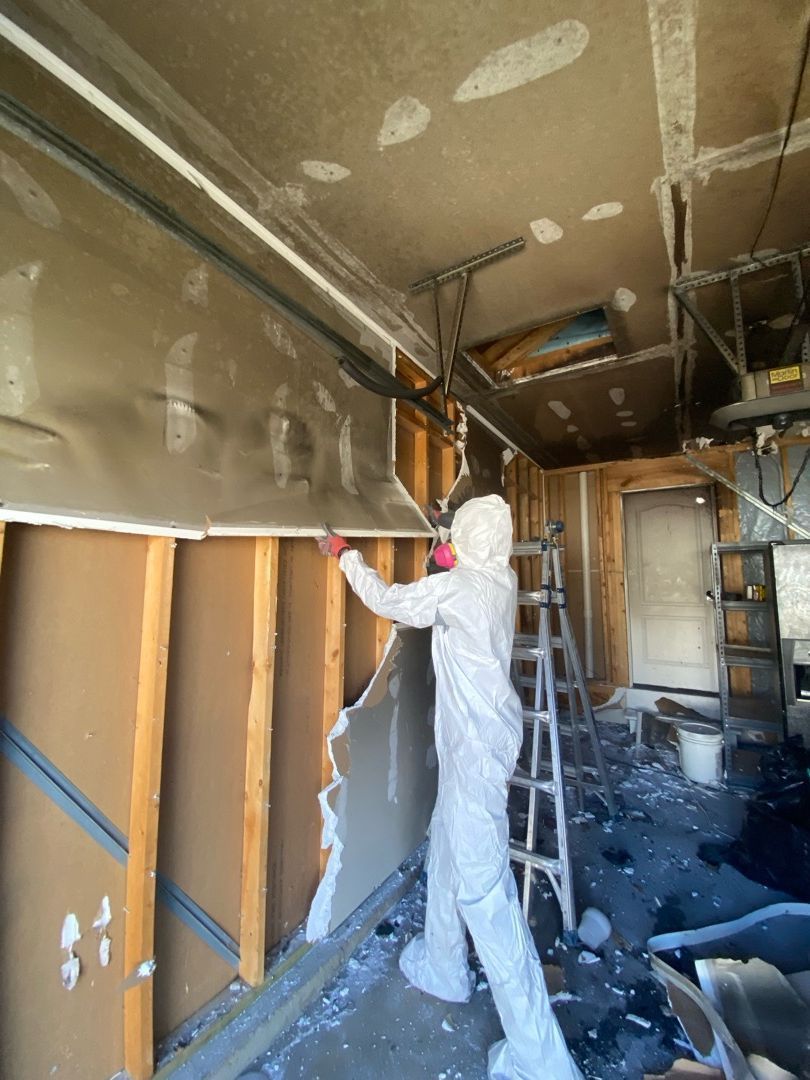
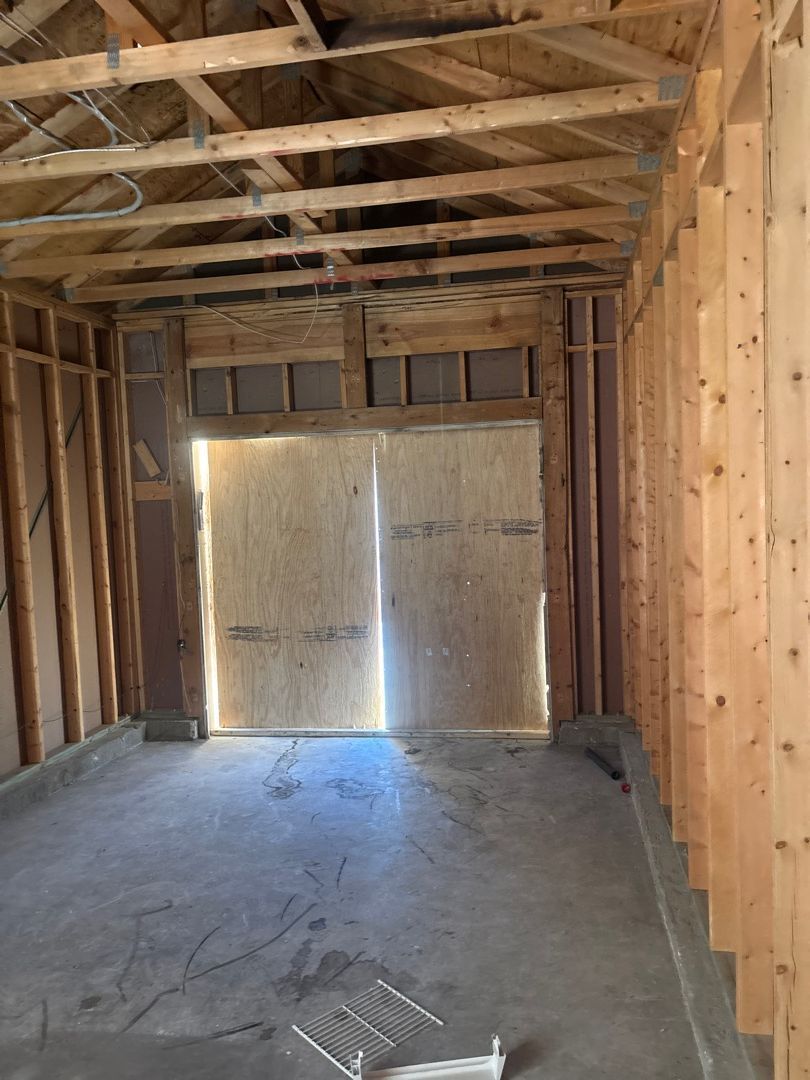
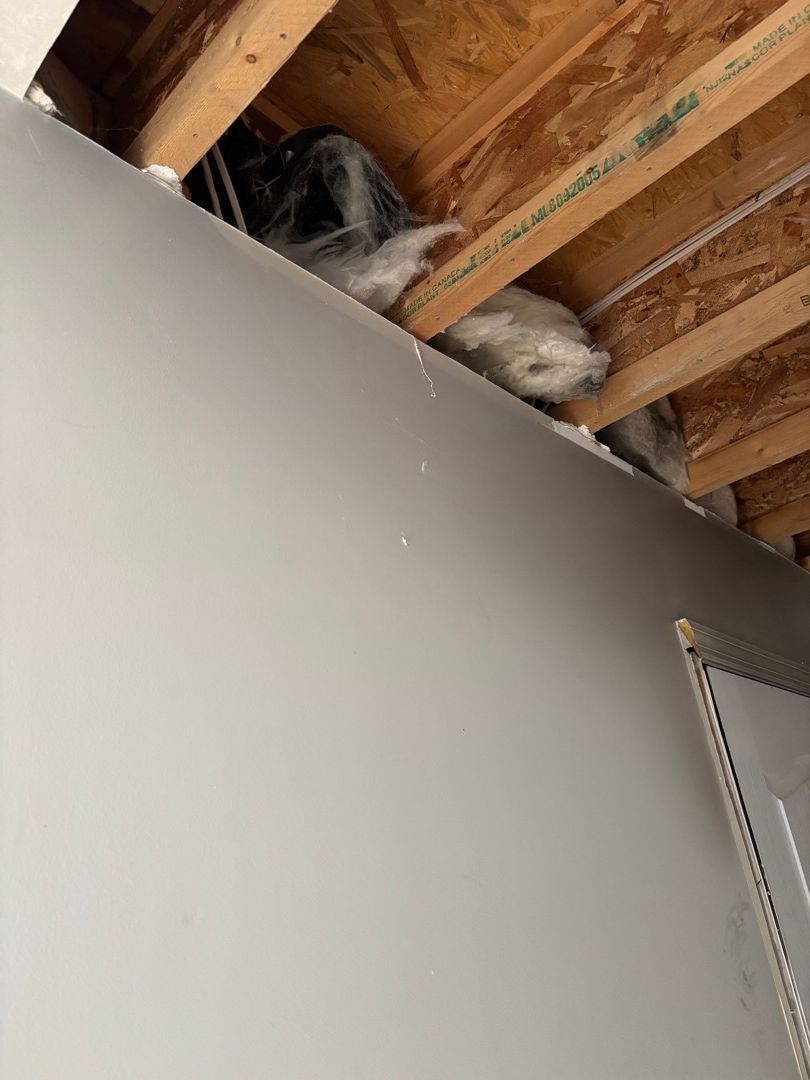
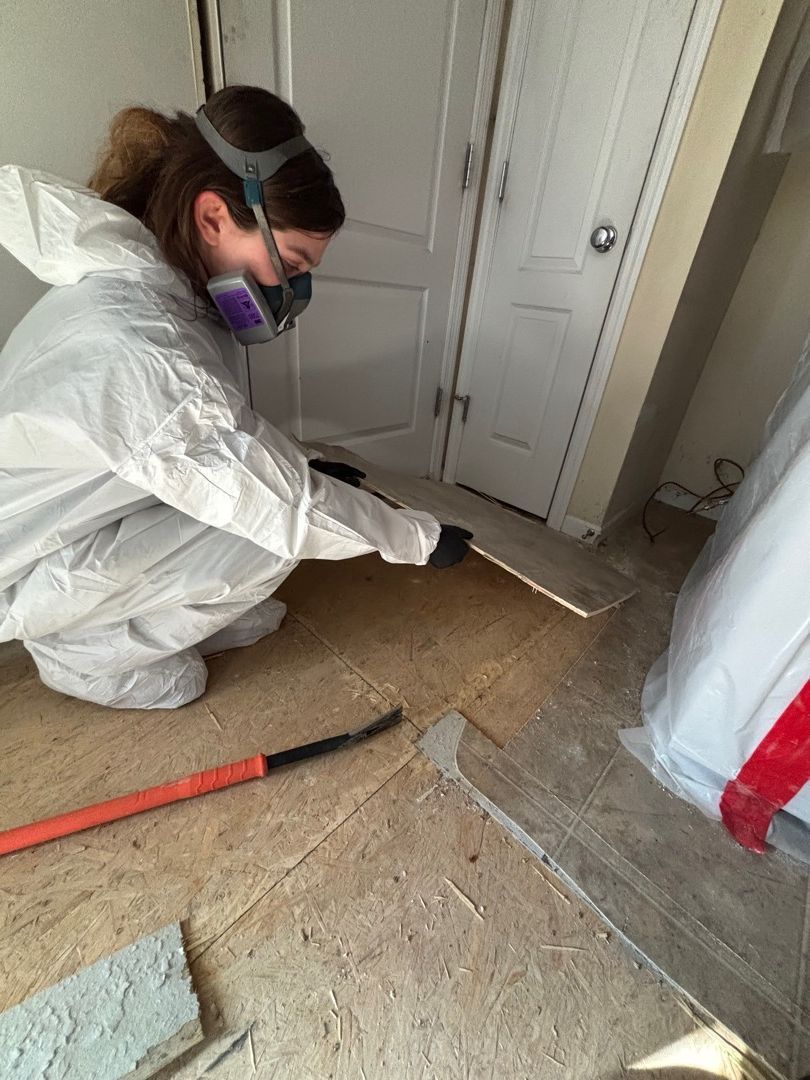
Once we had the full picture, our crew got to work. Some materials just can't be saved after heavy smoke exposure. Insulation that's absorbed soot, flooring that's been heat-damaged, drywall that's saturated with odor, all of it had to come out. We performed selective demolition in multiple areas of the home, stripping things down to the studs where necessary to access and remove contaminated building materials.
This is actually one of the most important steps in fire damage cleaning and removal. If you leave damaged materials behind the walls, you're going to end up with lingering odors and potential air quality issues down the road. The IICRC S700 standard for fire and smoke restoration outlines specific protocols for this kind of work, and our team follows those guidelines on every project.
We also handled contents throughout the house. Some items were salvageable with professional cleaning, while others had to be inventoried, documented, and removed. Knowing how to choose between remediation and replacement is a big part of what we do, and it's a conversation we have with homeowners on almost every fire job.
Selective demolition and material removal in progress:
 |
 |
 |
Structural Fire Cleaning Across Multiple Levels
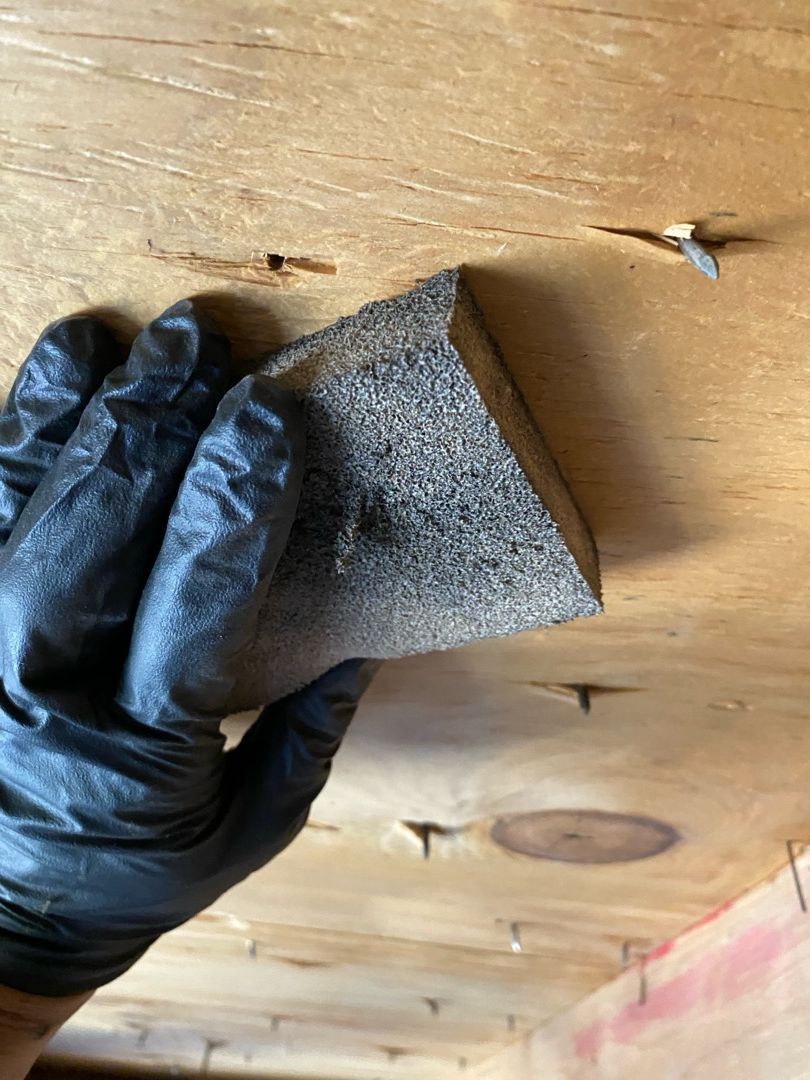
Here's where the real detail work happens. After demolition, we moved into a multi-step structural cleaning process across every affected level of the home. This included dry sponging to lift soot from surfaces without smearing it, HEPA vacuuming to capture fine particulates, wet wiping for residual film, and a final cleanup pass to make sure nothing was missed.
Dry sponging is one of those techniques that sounds simple but requires real care. You can't just scrub at soot, or you'll drive it deeper into the material. Our crew worked through the garage, kitchen, dining room, and living areas methodically, treating each surface according to what it needed.
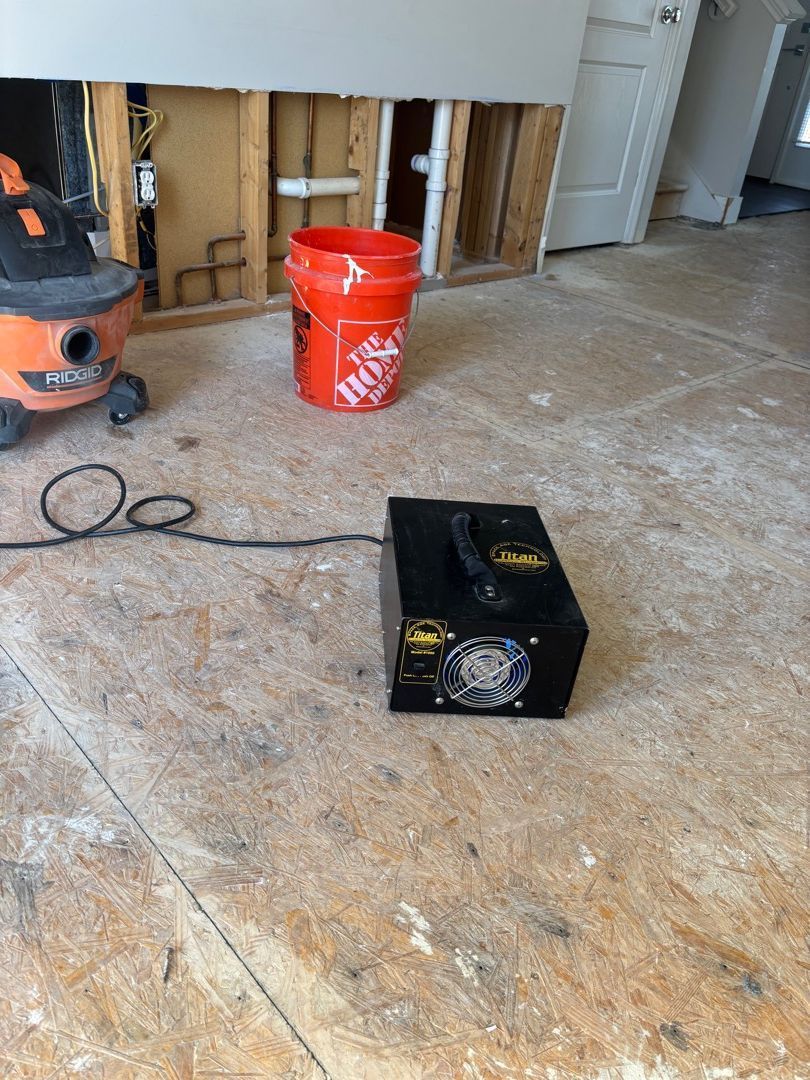
We also used ozone generators for odor treatment. Smoke odor has a way of clinging to everything, and standard cleaning alone won't always eliminate it. The ozone treatment helped neutralize those stubborn, embedded smells that would have otherwise lingered for months. The American Red Cross recommends working with professional restoration teams after a fire for exactly this reason: smoke and soot damage requires specialized equipment and training to properly address.
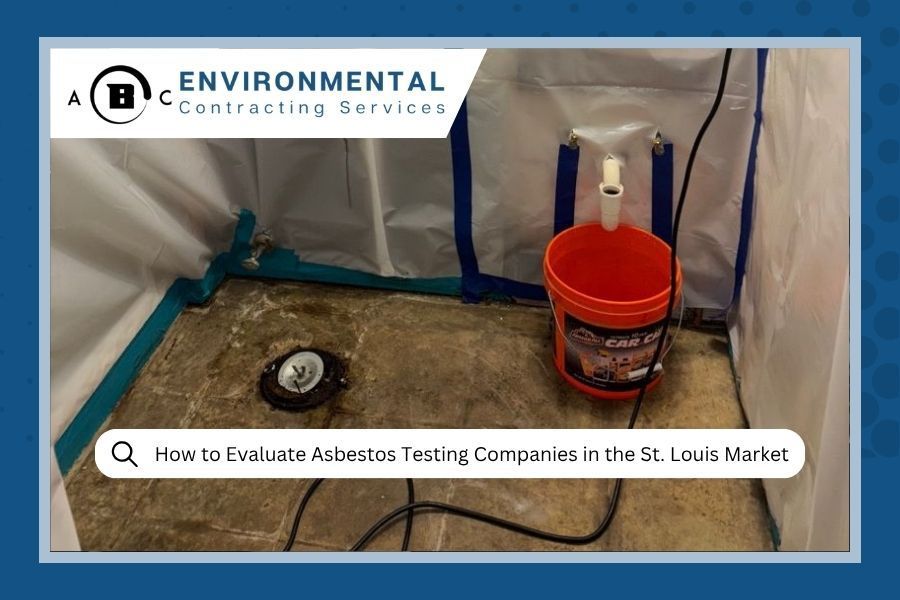
Detailed cleaning and restoration equipment at work:
 |
 |
 |
Why Smoke Spreads Through HVAC Systems After a Fire
One of the most common questions we get from homeowners after a fire is, "How did the smoke get into rooms that weren't even near the fire?" The answer is almost always the HVAC system. When a fire produces smoke, it gets pulled into return air vents and distributed through the ductwork to every room connected to the system. That's why a garage fire can leave soot on bedroom walls two floors away.
This is also why professional air quality testing matters after any fire event. You might not see visible soot in every room, but microscopic particles can settle on surfaces and circulate through the air for weeks if not properly addressed.
Wrapping Up and Moving Toward Closeout
By the end of this project, our team had completed all major mitigation and cleaning work across the home. Equipment was removed, final walkthroughs were done, and the homeowner was happy with the results. From there, the project moved into estimate revisions, pricing updates, and the final Certificate of Satisfaction paperwork.
That's the part of fire and water damage restoration that doesn't always get talked about. The cleanup and demo are the visible work, but the documentation, coordination with insurance, and closeout process are just as critical. We handle all of it so the homeowner doesn't have to.
Dealing With Fire or Smoke Damage in St. Louis?
If your home has been affected by fire, smoke, or soot, don't wait to get help. The longer contamination sits, the harder it is to clean and the more damage it causes. At ABC Environmental Contracting Services, we're available 24/7 for emergency fire damage response across the St. Louis metro area.
- Damage restoration company with over 20 years of combined experience
- Full-service fire restoration: demolition, cleaning, contents, and odor removal
- We work directly with your insurance company
- 24/7 emergency availability
Or call us directly at (314) 668-1509
Dan and Tina Benton are the owners of ABC Environmental Contracting Services, a veteran-owned restoration company serving the St. Louis Metro East area. Together, they bring over two decades of expertise in water damage restoration, mold remediation, and asbestos removal for both residential and commercial properties. They're committed to serving their community with integrity and dedication, providing 24/7 emergency response when disaster strikes.