Understanding EPA Regulations for Residential Asbestos Projects in Missouri
Jump To:
- Why EPA Asbestos Regulations Matter for Missouri Homeowners
- NESHAP: The Federal Rule Behind Every Asbestos Project
- Missouri-Specific Compliance Requirements
- The Permit Process for Residential Asbestos Work
- Your Responsibilities as a Missouri Homeowner
- How to Choose an EPA-Compliant Asbestos Contractor
- FAQs
If you own an older home in the St. Louis area and you're planning a renovation, there's a good chance asbestos is part of the conversation. The moment asbestos enters the picture, so do EPA regulations, and those regulations aren't optional. Our team at ABC Environmental Contracting Services handles professional asbestos removal projects across Missouri, and understanding the rules before work begins saves homeowners real headaches.
Not the most exciting reading material, we know. But knowing what federal and state law requires protects your family, your wallet, and your property value. So let's walk through what Missouri homeowners actually need to know.
Why EPA Asbestos Regulations Exist for Residential Properties
Asbestos was used in residential construction for decades. Floor tiles, insulation, roof shingles, pipe wrapping, popcorn ceilings, even some adhesives contained the stuff. At the time, it made sense because asbestos is fireproof, cheap, and durable. The problem? When disturbed, it releases microscopic fibers that cause serious lung disease and cancer.
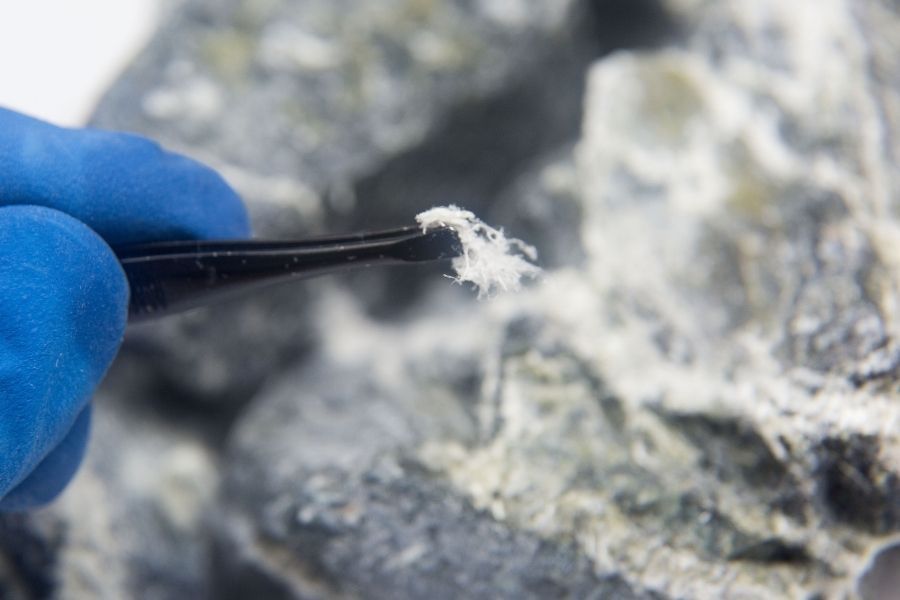
Professional testing identifies which materials contain asbestos before any renovation work begins.
The EPA created regulations specifically to control how asbestos-containing materials (ACM) are handled during renovations and demolitions. According to the EPA's guidance on asbestos exposure, improper disturbance of these materials is one of the most common ways homeowners accidentally put their families at risk.
Here's what most people miss: these regulations apply to residential projects too. Many homeowners assume asbestos rules only cover commercial buildings or big demolition jobs. Not in Missouri.
NESHAP: The Federal Rule Behind Every Asbestos Project
NESHAP stands for National Emission Standards for Hazardous Air Pollutants. It's the federal regulation governing how asbestos must be handled during any renovation or demolition project. Think of it as the baseline that applies everywhere in the country.
Under NESHAP, any renovation that could disturb asbestos-containing materials requires specific procedures: notification to regulatory agencies, wet methods to control fiber release, HEPA-filtered equipment, and disposal at approved landfill sites. The regulation doesn't care whether you're tearing down a warehouse or scraping popcorn ceilings in your Chesterfield bungalow. If asbestos is present, NESHAP applies.
Key NESHAP Requirements at a Glance
| Requirement | What It Means for You |
|---|---|
| Pre-Renovation Inspection | A certified inspector must test materials before renovation begins |
| Written Notification | Regulatory agencies must be notified before work starts (typically 10 working days) |
| Wet Methods | Materials must be wetted to minimize airborne fibers during removal |
| Proper Containment | Work areas must be sealed with plastic sheeting and negative air pressure |
| Certified Disposal | Waste goes in labeled bags to approved landfills with tracking paperwork |
| Licensed Workers | Only trained, accredited workers can perform asbestos abatement |
Worth noting: NESHAP violations carry serious penalties. Fines can reach tens of thousands of dollars per day of violation. The EPA doesn't mess around with this.
Planning a Renovation in an Older Missouri Home?
Our team can help you understand what's required before work begins. We've guided hundreds of St. Louis area homeowners through the process.
Talk to Our TeamMissouri-Specific Compliance Requirements for Asbestos
Missouri follows NESHAP at the federal level, but the state also has its own layer of regulations administered through the Missouri Department of Natural Resources (MDNR). The MDNR's Air Pollution Control Program oversees asbestos notifications, inspections, and contractor licensing.
In Missouri, anyone performing asbestos abatement must hold a valid state license. This applies to the company and to individual workers. The requirements include EPA-approved training courses, examinations, and annual renewals. It's not a one-and-done certification.
The state also requires project-specific notifications. For residential projects involving more than 160 square feet, 260 linear feet, or 35 cubic feet of asbestos material, you must submit written notification to the MDNR at least 10 working days before starting. If you're wondering where asbestos might be lurking in your home, our article on where asbestos hides in homes built before 1975 covers the most common locations.
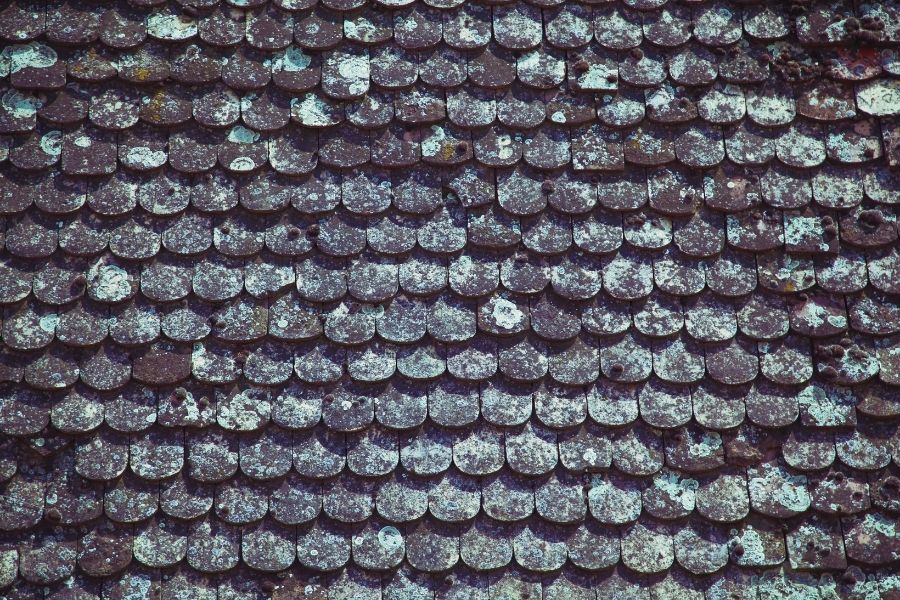
Roof shingles are among the most overlooked asbestos-containing materials in older Missouri homes.
The Permit Process for Residential Asbestos Work in Missouri
The permit and notification process confuses a lot of homeowners, and that's understandable. Here's how it typically works for a residential project in the St. Louis metro area.
Step 1: Get a Professional Inspection and Testing
Before anything happens, a certified asbestos inspector needs to evaluate your home. They'll collect samples from suspect materials and send them to an accredited laboratory. You can't just eyeball it. The inspector's report tells you exactly what materials contain asbestos, where they are, and how much is present. This report drives every decision that follows.
Step 2: Determine If Notification Is Required
Based on the inspection results, your contractor determines whether the project meets NESHAP notification thresholds. If the amount of asbestos material exceeds the limits mentioned above, a formal notification must go to the MDNR. Smaller quantities may have different requirements, but they still need proper handling procedures. The EPA's indoor air quality resources provide additional context on why even small amounts demand careful handling.
Step 3: Wait for the Notification Period
That 10-working-day notification period is mandatory. No shortcuts. Your contractor submits the paperwork, and work cannot begin until it expires. In emergencies (like storm damage exposing asbestos), expedited notifications are available but require separate documentation.
Step 4: Abatement Begins Under Controlled Conditions
Once clearance comes through, actual removal starts. Full containment setup, air monitoring, wet removal methods, every NESHAP requirement we covered earlier. For a detailed look at the daily process, check out our guide on what to expect during professional asbestos containment.
Step 5: Final Clearance and Documentation
After removal, air testing confirms that fiber levels are within acceptable limits. You'll receive waste manifests, air monitoring results, and project completion records. Keep these. They're important for resale, insurance claims, and future renovations.
Your Responsibilities as a Missouri Homeowner
Here's where things get personal. Even though you're hiring professionals, Missouri law places certain responsibilities directly on you as the property owner.
You must ensure testing happens before renovation. If you hire a general contractor to remodel your kitchen in a 1960s home and nobody tests for asbestos first, you're on the hook too. Ignorance isn't a defense under NESHAP. And if your renovation involves moisture issues, understanding how professional equipment works helps coordinate multiple environmental concerns at once.
You must hire licensed contractors. In Missouri, asbestos companies and individual workers must hold valid state licenses. Ask to see them. A reputable company hands over license numbers without hesitation.
You're responsible for proper disposal. As the property owner, you bear liability for making sure asbestos waste reaches an approved disposal facility. Your contractor handles the logistics, but the legal responsibility sits with you.
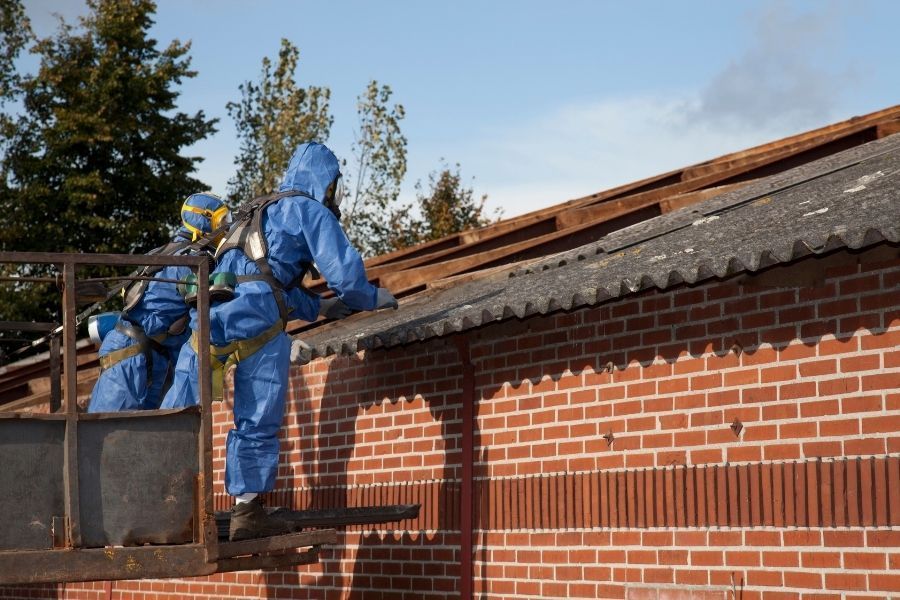
Licensed abatement contractors follow strict containment protocols required by both federal and Missouri state regulations.
Important: DIY Asbestos Removal in Missouri
While Missouri law does allow homeowners to remove asbestos from their own single-family residences in certain circumstances, the EPA strongly advises against it. The health risks are severe, disposal requirements still apply, and any mistake can contaminate your entire home. If you're considering this route, talk to a professional first.
How to Choose an EPA-Compliant Asbestos Contractor in Missouri
Not every contractor who says they handle asbestos actually meets licensing and compliance requirements. Here's a checklist for vetting contractors before you sign anything.
- Verify state licensing. Ask for the Missouri asbestos abatement license number and check it with the MDNR.
- Confirm worker certifications. Workers on your project should hold current, EPA-approved training certifications.
- Ask about insurance. Your contractor should carry liability insurance covering asbestos work.
- Request a written scope of work outlining testing, notification, containment, removal, disposal, and clearance.
- Ask about air monitoring. Reputable contractors include this during and after abatement.
- Check disposal documentation. You should receive waste manifests showing where materials were taken.
Our team at ABC Environmental Contracting Services is a veteran-owned company with over 20 years of combined experience in environmental remediation across the St. Louis metro area and Metro East. We handle the permitting, notification, and compliance documentation so you don't have to figure it out alone.
Need Help Navigating Asbestos Regulations in Missouri?
Whether you're planning a renovation or just discovered asbestos in your home, we'll walk you through it step by step. Available 24/7.
Explore Our Environmental ServicesFrequently Asked Questions About EPA Asbestos Regulations in Missouri
Do I need a permit to remove asbestos from my home in Missouri?
It depends on the quantity. Projects exceeding 160 square feet, 260 linear feet, or 35 cubic feet of regulated asbestos material require a formal notification to the MDNR at least 10 working days before work begins. Smaller projects still require proper handling but may not trigger the full notification requirement.
Can I remove asbestos from my own home in Missouri without hiring a contractor?
Missouri law does permit homeowners to remove asbestos from their own single-family residences under certain conditions. However, NESHAP disposal requirements still apply, and the EPA strongly advises against it due to serious health risks. Improper removal can contaminate your entire home.
What happens if asbestos regulations are violated during a residential renovation?
NESHAP violations can result in civil penalties of up to $37,500 or more per day of violation. Both the property owner and the contractor can be held liable. Beyond fines, improper handling creates real health risks for your family and neighbors.
How do I know if my St. Louis area home has asbestos before starting a renovation?
The only way to confirm is through professional testing. A certified inspector collects material samples and sends them to an accredited lab. Homes built before 1980 in the St. Louis area commonly contain asbestos in floor tiles, insulation, roofing materials, and textured ceilings.
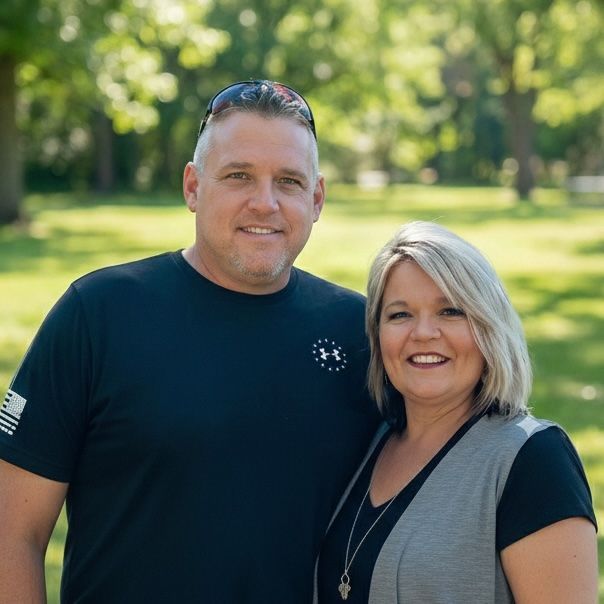
Dan and Tina Benton are the owners of ABC Environmental Contracting Services, a veteran-owned restoration company serving the St. Louis Metro East area. Together, they bring over two decades of expertise in water damage restoration, mold remediation, and asbestos removal for both residential and commercial properties. They're committed to serving their community with integrity and dedication, providing 24/7 emergency response when disaster strikes.