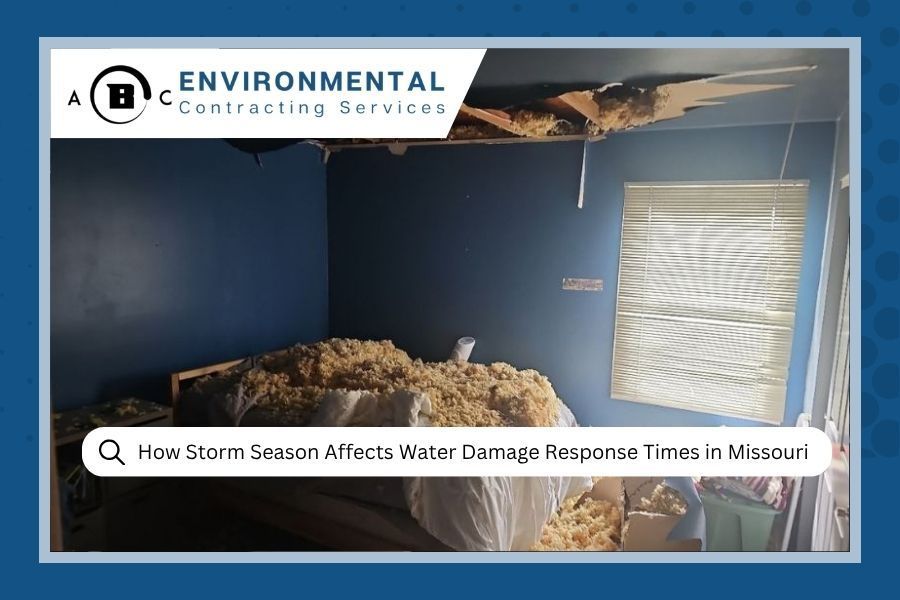
How Storm Season Affects Water Damage Response Times in Missouri
Jump To:
Missouri storm season brings more than heavy rain and high winds. It also brings wait times. When severe weather rolls through the St. Louis area, every water damage restoration company in the region gets flooded with calls at once.
Our team at ABC Environmental Contracting Services sees it every year. A quick recovery versus a long, costly one often comes down to when you call, not just who you call. This guide covers why response times spike, what happens to your home during the wait, and what you can do right now to stay ahead.
Why Storm Season Slows Down Response Times
Missouri's storm season runs from late spring through early fall, with the worst concentrated between April and August. Severe thunderstorms, flash flooding, and tornadoes can dump enormous amounts of water into homes across entire counties in a single night.
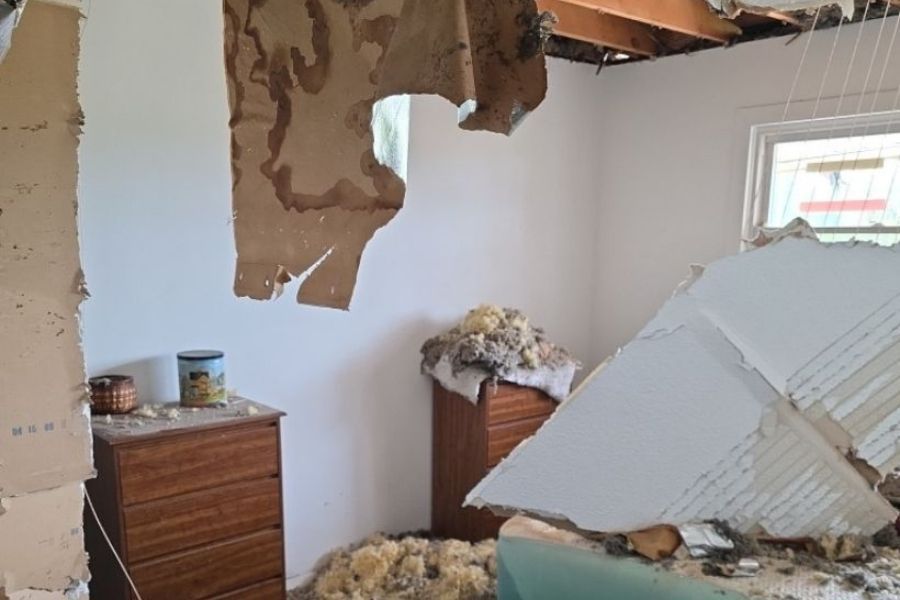
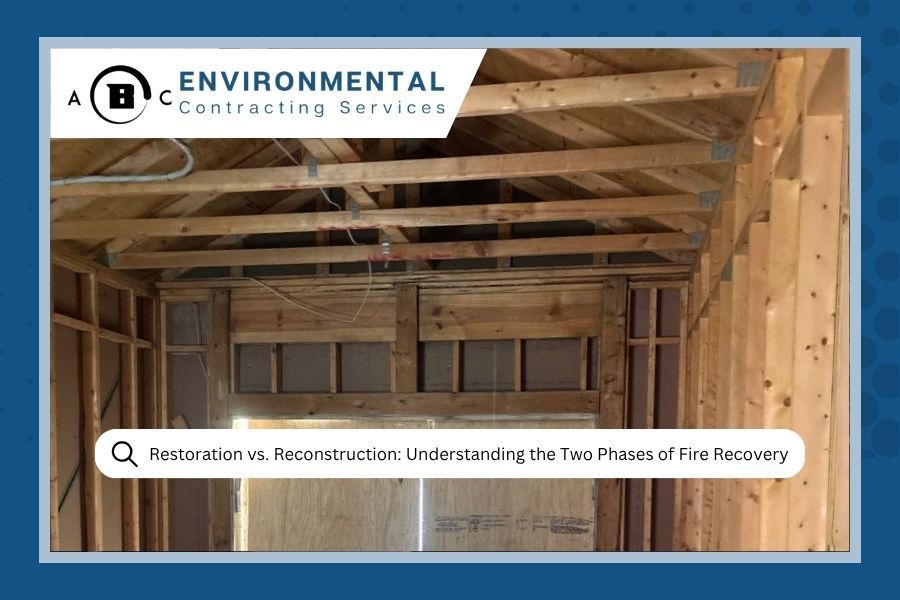
Storm-driven water damage can compromise ceilings and structural materials within hours of intrusion.
On a typical day, a restoration company handles three to five water damage calls. After a major storm? That number can jump to 30 or more in a single evening.
Crews that normally arrive within an hour might be booked solid for a full day. Equipment like commercial dehumidifiers and air movers, already out on active jobs, simply can't keep up with the sudden flood of new requests.
The IICRC S500 standard says extraction and drying should begin within hours of water intrusion. When region-wide demand pushes that timeline out, the risk of mold growth and structural damage climbs fast.
Don't Wait for the Next Storm to Find a Restoration Partner
ABC Environmental Contracting Services provides 24/7 emergency water damage response across the St. Louis metro area.
Contact Our TeamWhat Happens to Your Home While You Wait for Help
Every hour of standing water matters. Water damage is progressive, meaning it gets worse the longer it sits. Here's a general timeline of what happens after water intrusion:
Water Damage Progression Timeline
| Timeframe | What's Happening |
|---|---|
| 0 to 1 hour | Water spreads across flooring, seeps into carpet padding, begins wicking up drywall |
| 1 to 24 hours | Drywall absorbs moisture, wood flooring swells, furniture and fabrics trap water |
| 24 to 48 hours | Mold spores begin colonizing wet surfaces, musty odors develop, paint blisters |
| 48 to 72 hours | Active mold growth spreads, structural framing may warp, contamination risk increases |
| 1 week+ | Widespread mold colonies, potential structural compromise, extensive replacement needed |
That 24-to-48-hour window is critical. Once mold takes hold, a water damage job turns into a mold remediation project too. That adds time, cost, and stress.
And here's what many people miss: your insurance company's timeline expectations don't pause because crews are busy. Delays in cleanup can affect claim outcomes.
How Missouri Homeowners Can Prepare Before Storms Hit
The best way to beat storm-season delays is to prepare before the first severe weather watch hits. You can't control when a storm arrives, but you can control how ready you are.
Build a Simple Water Damage Action Plan
Write down the number of a restoration company you trust. Know where your water shut-off valve is. Keep your insurance policy number handy.
The Ready.gov severe weather guide suggests an emergency kit and a family communication plan. We'd add one more thing: know who you're calling before you need to.
Maintain Your Home's First Line of Defense
Some of the worst storm-season damage we've seen in St. Louis homes wasn't from catastrophic flooding. It was from clogged gutters, failed sump pumps, and aging roof flashing. All fixable on a calm Saturday in March.
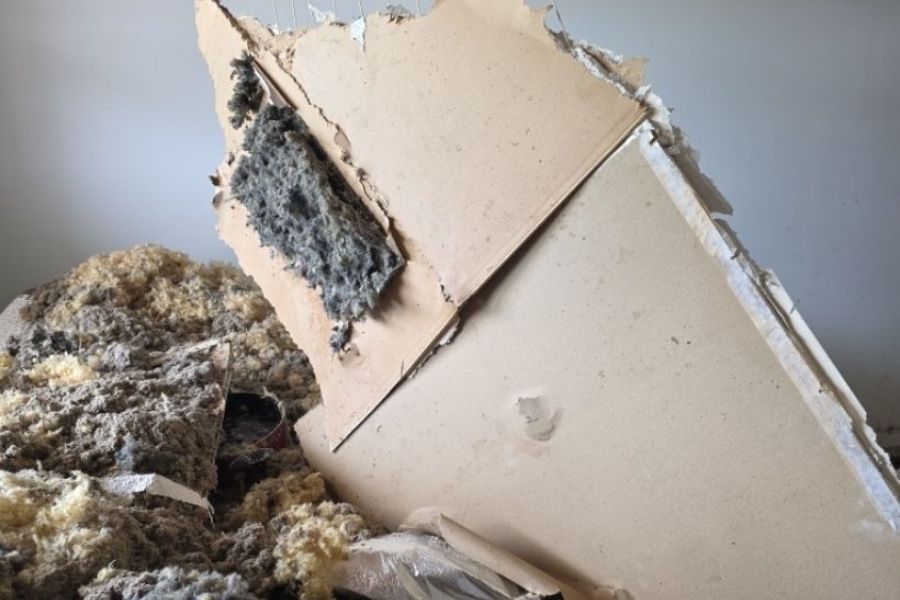
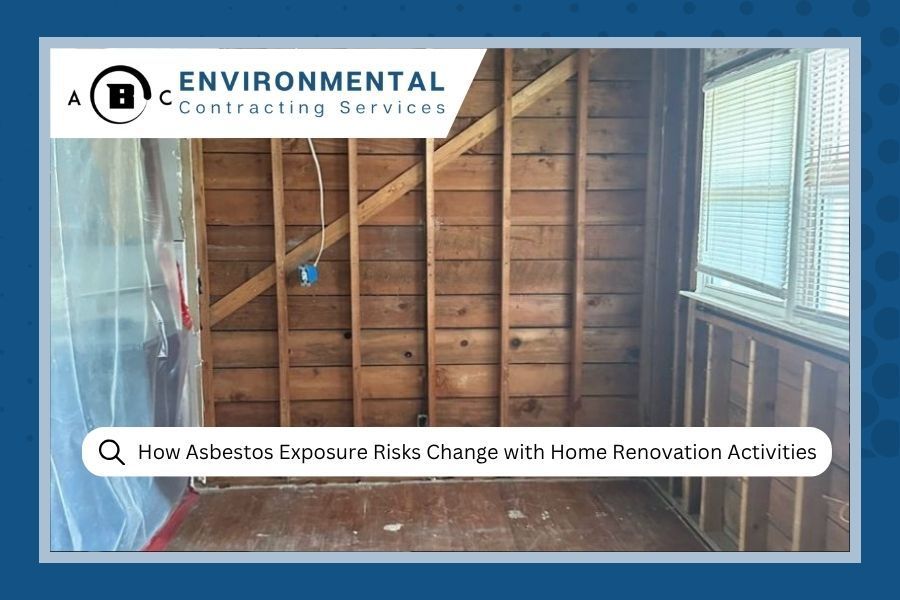
When storms overwhelm a home's defenses, resulting material damage can escalate quickly without prompt action.
A pre-season checklist:
- Clean gutters and downspouts so water drains away from the foundation
- Test your sump pump by pouring water into the pit to confirm it activates
- Inspect basement walls for cracks or signs of previous moisture
- Check attic and roof areas for missing shingles or damaged flashing
- Make sure window wells have covers and proper drainage
We cover more long-term strategies in our guide to preventing recurring water problems.
How Restoration Teams Prioritize Emergency Calls
When calls are flooding in, restoration companies have to decide which jobs get help first. There's a system for this. Knowing how it works helps you share the right details when you call.
- Category 3 (black water) jobs go first. Sewage backups and contaminated water pose immediate health risks.
- Active flooding with no shutoff comes next. If water is still flowing and can't be stopped, crews need to arrive fast.
- Large-scale losses follow. Multi-room or multi-story damage threatening structural integrity moves up the list.
- Contained, clean-water events are addressed after critical calls. A supply line break in a kitchen with the water shut off is lower risk.
Tell the company exactly what you're dealing with. Mention if sewage is involved, if water is still flowing, or if multiple rooms are hit. Those details help the team prioritize your call.
Choosing a Restoration Company Before You Need One
The worst time to shop for a restoration company is when your basement is under three inches of water and your phone is about to die. Storm season rewards preparation.
What to look for:
- IICRC certification in water, mold, and fire damage restoration
- 24/7 emergency availability with someone who actually answers at 3 a.m.
- Local presence with adequate equipment to mobilize quickly
- Insurance coordination experience to document damage and support your claim
We cover the insurance side in detail in our post on storm damage insurance claims and timing your call.
ABC Environmental Contracting Services has been serving the St. Louis metro area for over 20 years. We're IICRC certified in water, mold, and fire damage restoration, and we staff for storm season because we know what's coming.
Take 10 minutes this week and save a number in your phone. You can also review our guide on how long it takes to dry out water damage for realistic expectations.
Ready to Get Ahead of Storm Season?
Whether you're dealing with water damage right now or want a plan for the next storm, our 24/7 team is here to help across the greater St. Louis area.
Explore Our ServicesFrequently Asked Questions
How long does it take a restoration company to respond after a storm?
On a normal day, most professional companies respond within one to two hours. During a major storm, that can stretch to 12 to 24 hours or more depending on severity and the number of homes affected. Calling early with clear details about your situation helps teams prioritize your job.
Will waiting a day for restoration make a real difference?
Yes. Mold can begin growing on wet surfaces within 24 to 48 hours. After 72 hours, structural framing may warp and materials often need full replacement rather than restoration. The faster extraction and drying begins, the more salvageable your home's materials will be.
Should I try removing water myself while waiting for professionals?
If it's safe, removing standing water with a wet/dry vacuum and running fans can help slow the damage. Avoid entering standing water if there's any risk of electrical hazard or sewage contamination. Professional equipment is still needed for full extraction and drying.
Does homeowner's insurance cover storm-related water damage?
Most policies cover water damage from storms, such as rain entering through a damaged roof. However, flood damage from rising water typically requires a separate flood insurance policy. Review your coverage before storm season and contact your agent with questions.
Dan and Tina Benton are the owners of ABC Environmental Contracting Services, a veteran-owned restoration company serving the St. Louis Metro East area. Together, they bring over two decades of expertise in water damage restoration, mold remediation, and asbestos removal for both residential and commercial properties. They're committed to serving their community with integrity and dedication, providing 24/7 emergency response when disaster strikes.