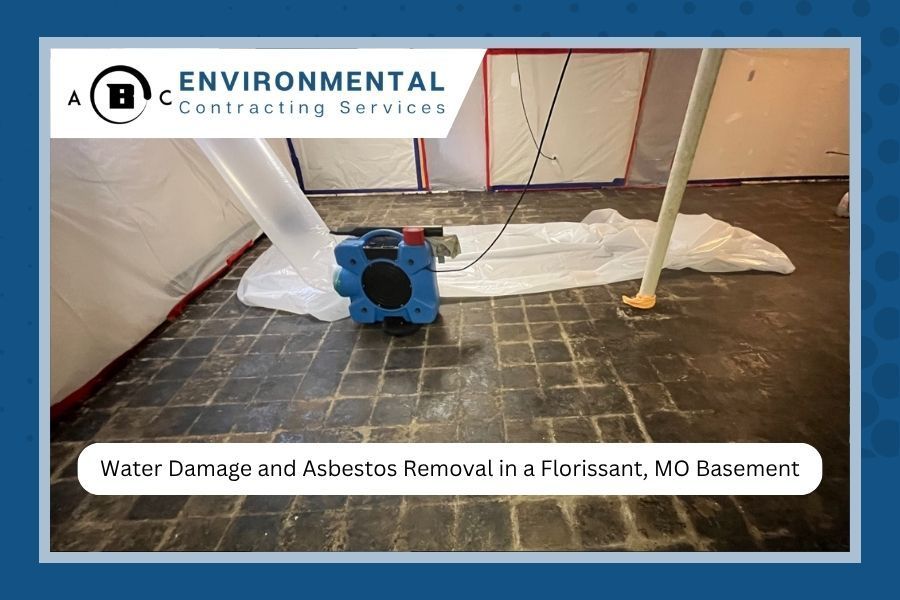
Water Damage and Asbestos Removal in a Florissant, MO Basement
Of course the water picked the one room nobody likes to think about. One morning, a Florissant homeowner headed downstairs and froze: sagging ceiling, damp floor, musty smell. They called us for emergency water damage restoration, and our team at ABC Environmental Contracting Services rolled out soon after. What looked like a simple cleanup got bigger fast, because the water had disturbed a lot more than drywall.
What We Found in the Basement
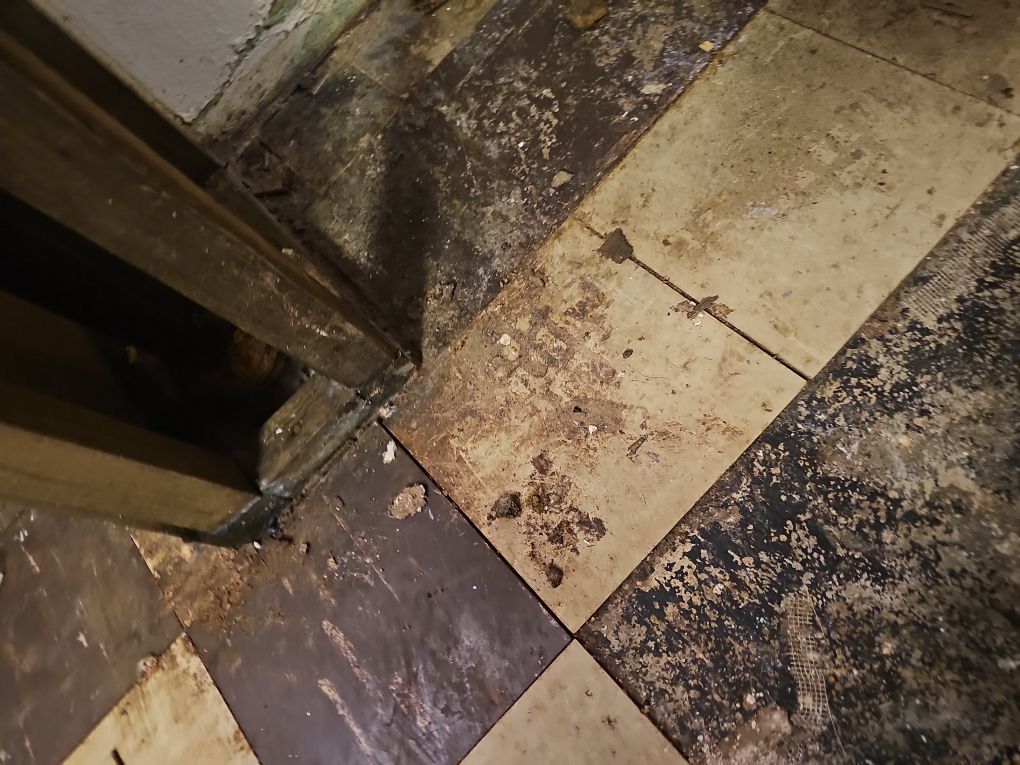
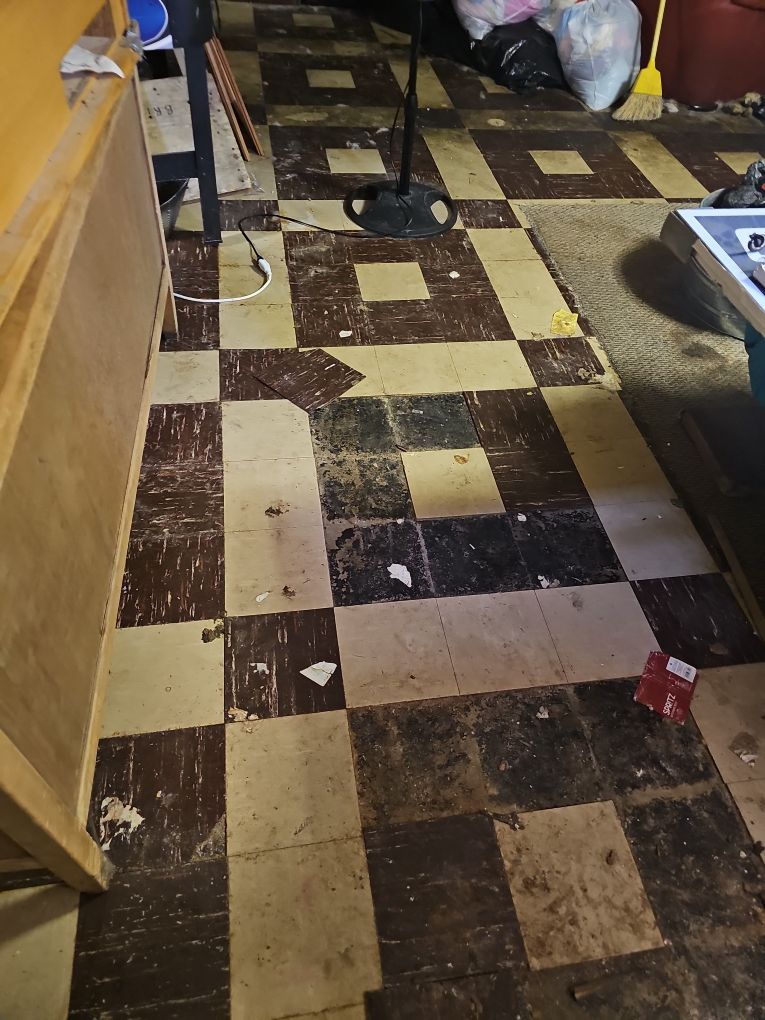
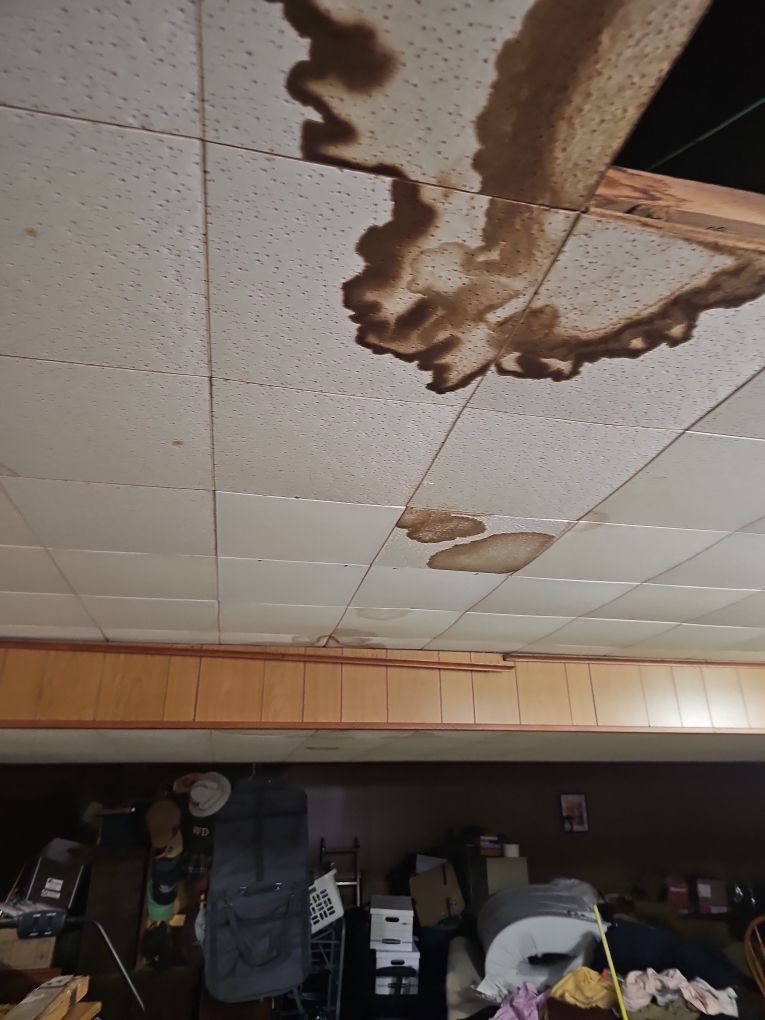
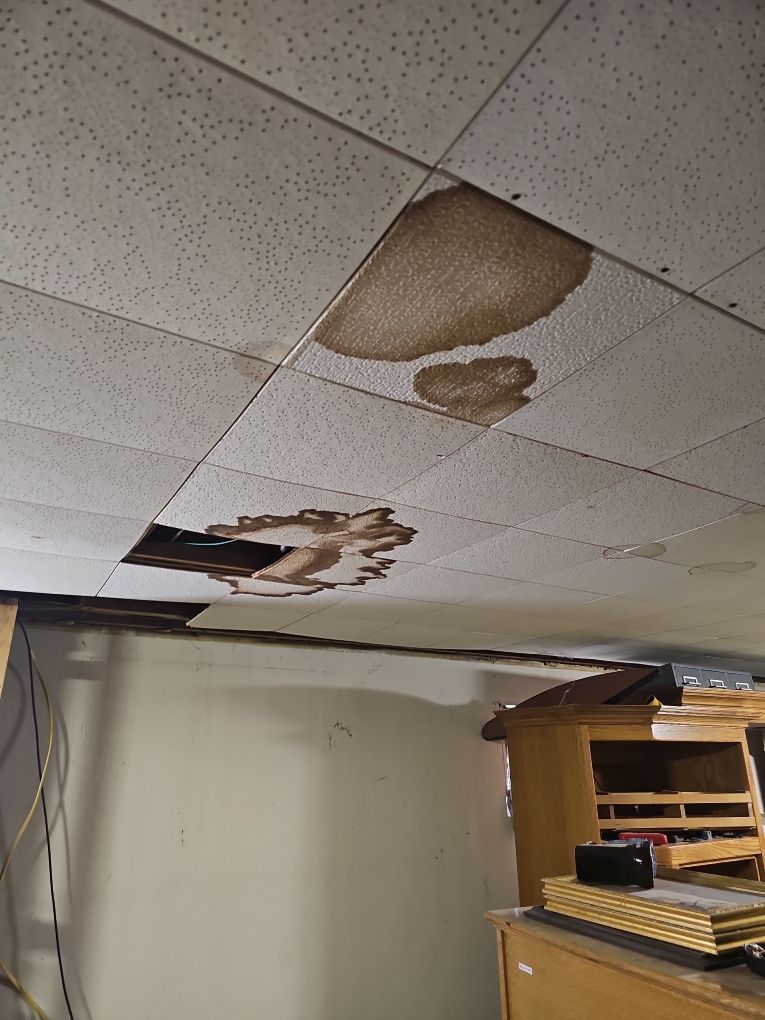
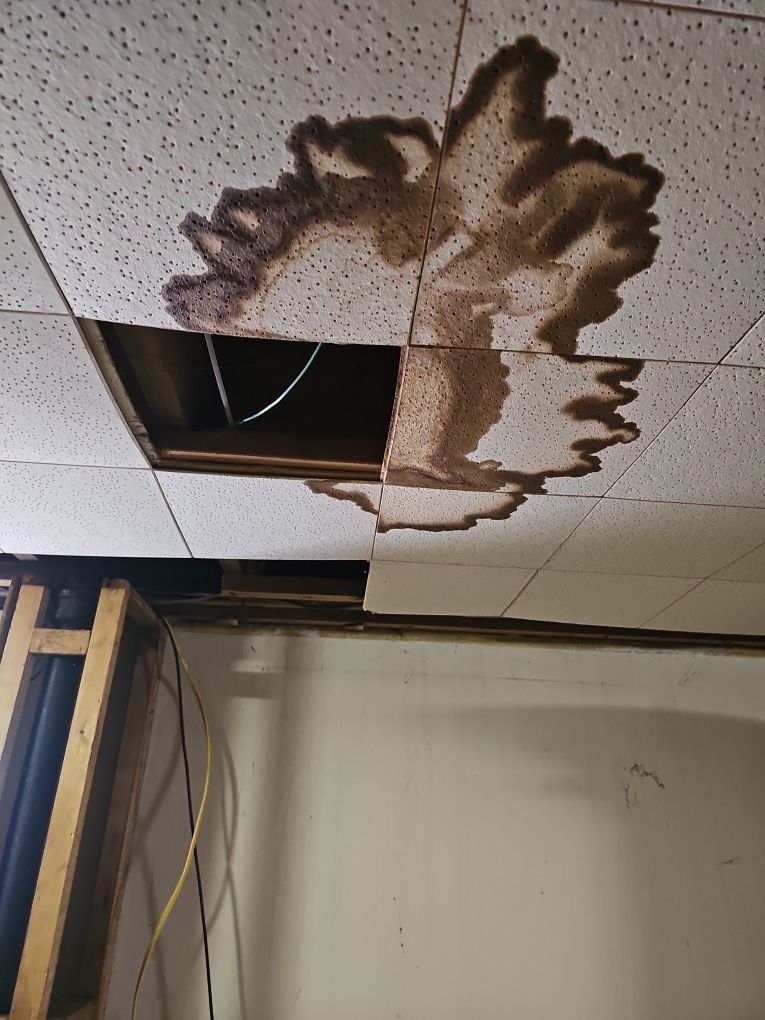
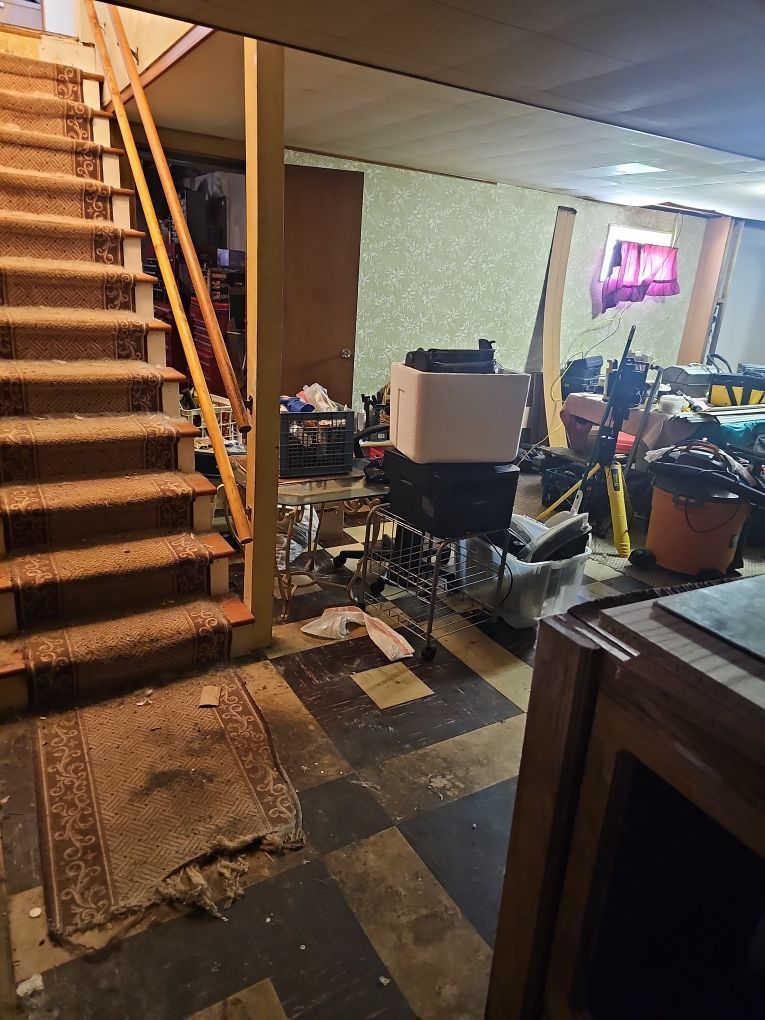
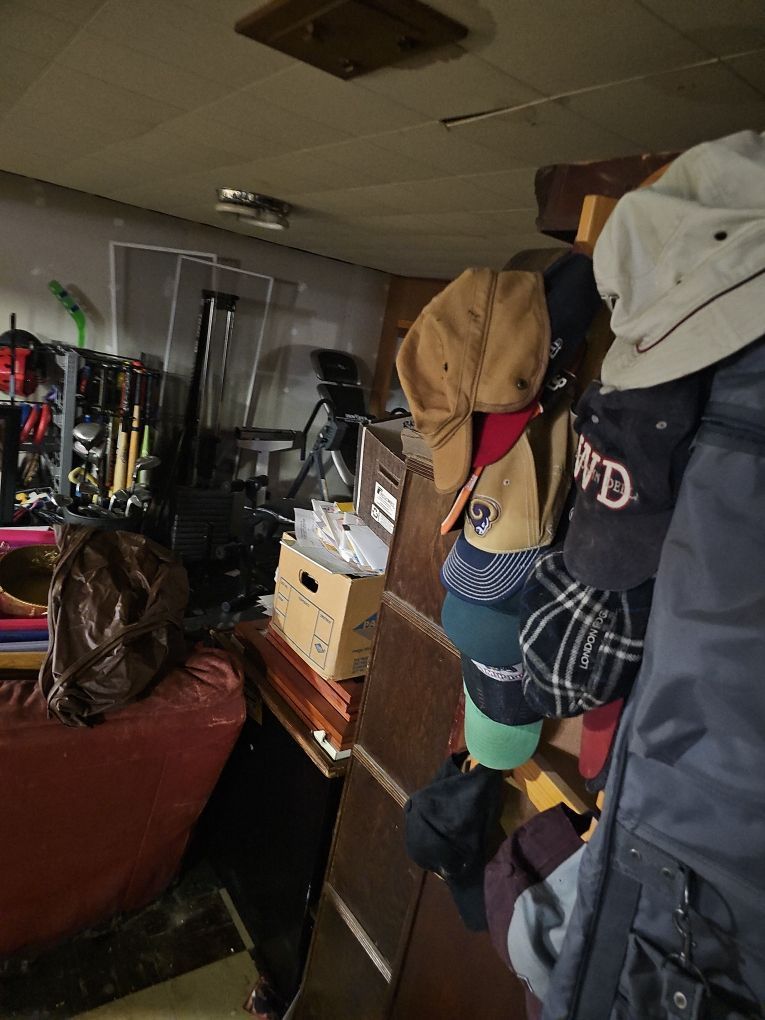
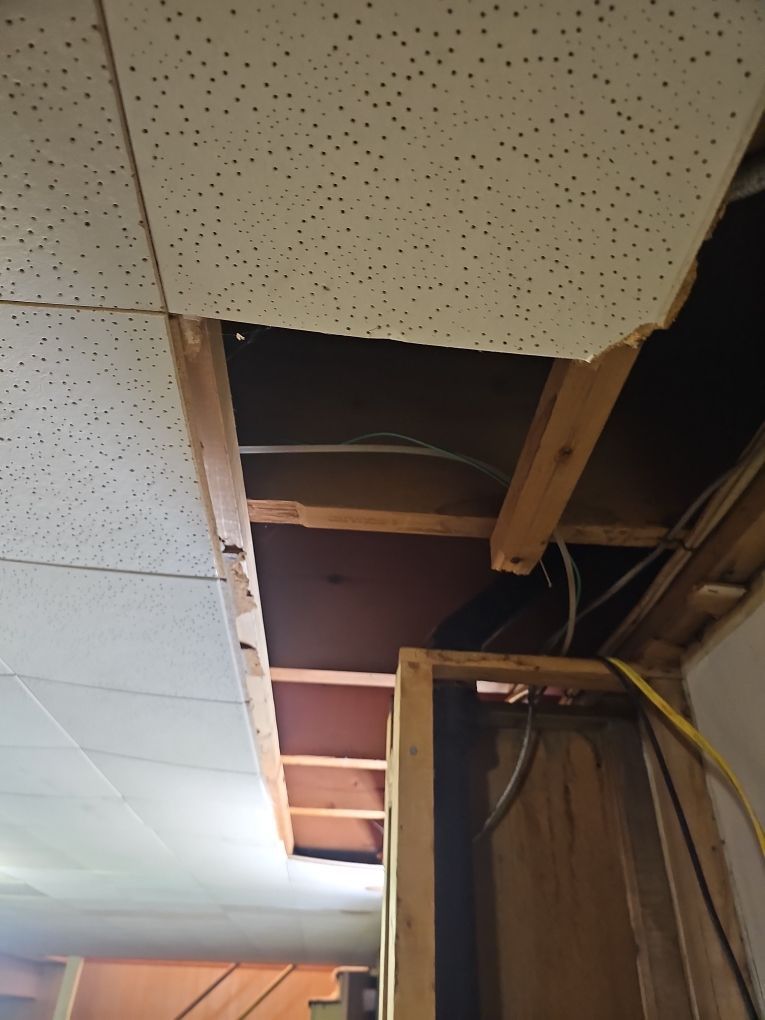
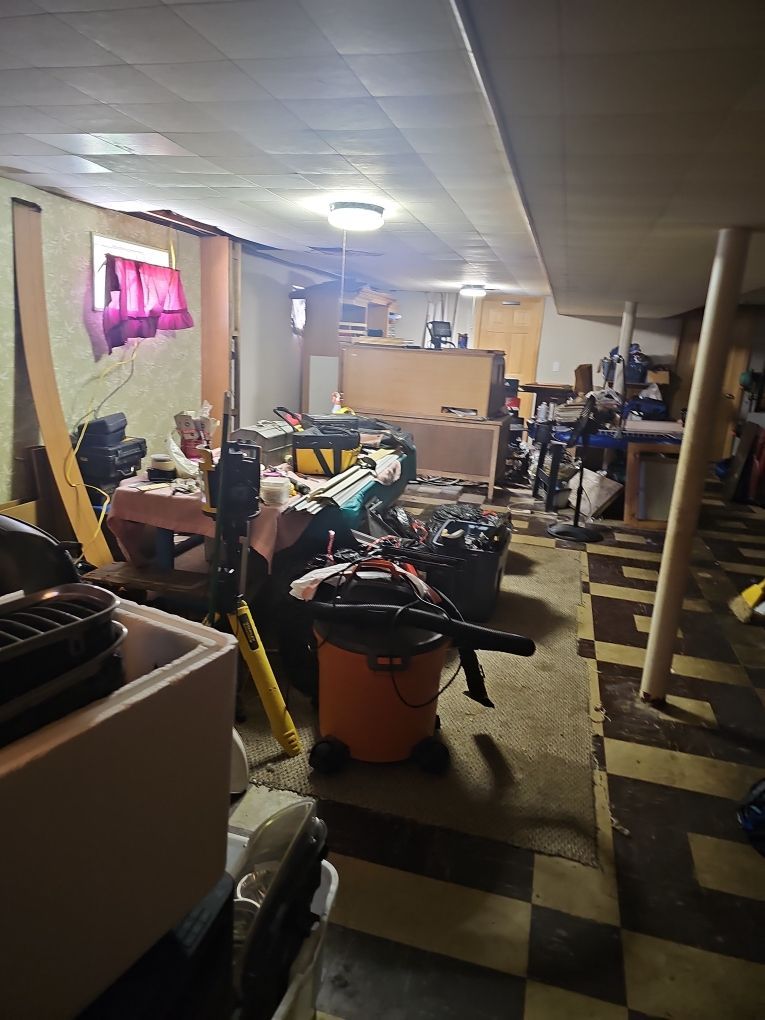
Water came through the ceiling and soaked its way down. The drywall was stained and soft. Part of the ceiling had caved in, and the floor was wet through. It was every homeowner's worst nightmare, made worse because they had put real work into this space.
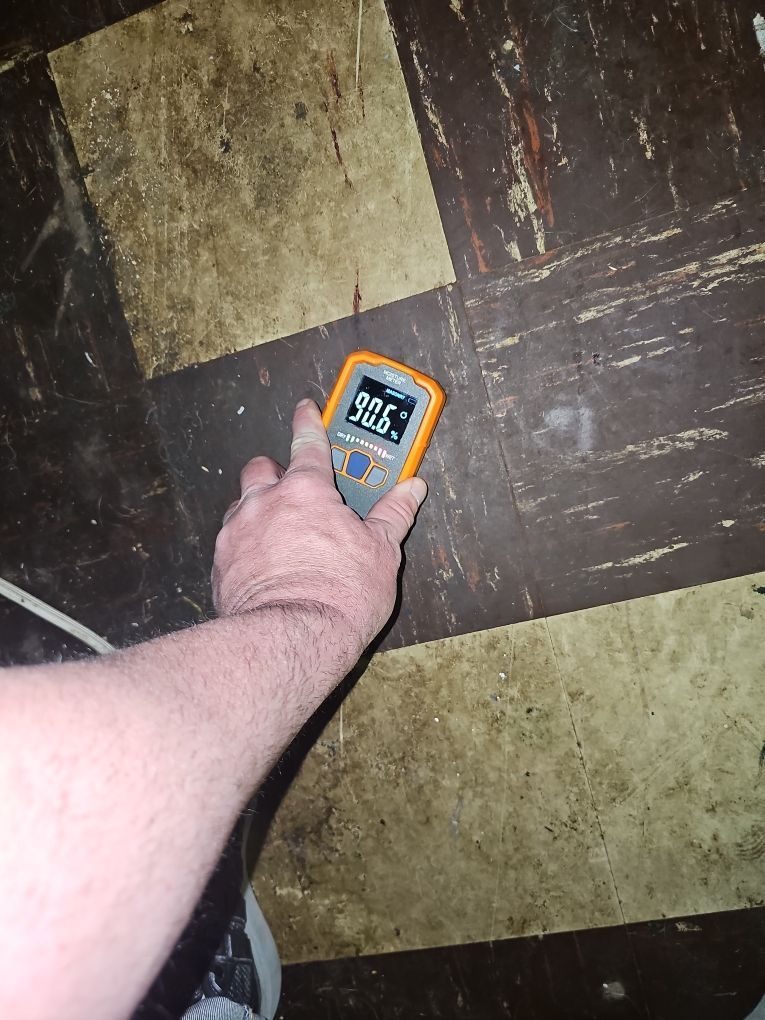
Our first job was simple: calm the panic. We walked the homeowner through what we saw. Then we took moisture readings across the floor and walls to map how far the water had gone. Water rarely stays where you can see it, so those readings point us to the hidden damage.
A look at the water damage as we found it, from stained ceilings to saturated flooring.
 |
 |
 |
 |
 |
 |
 |
 |
When Water Damage Meets Older Building Materials
Here is the twist many homeowners never see coming. A lot of older St. Louis area homes used asbestos in floor tile, glue, ceiling texture, and pipe wrap. When it stays in good shape, it usually sits quietly.
Water changes that. As the EPA explains about protecting your family from asbestos, these materials can release fibers when they get wet or torn apart. A soaked, crumbling ceiling can do just that.
So we played it safe. Given the home's age, we treated the space as if asbestos might be there and had it tested before any demolition. This is one big reason some water damage jobs require environmental testing. We never rush straight to tear-out.
If you own an older home, it helps to know where asbestos hides in St. Louis area homes before a project disturbs it.
When the results came back, we shifted into professional asbestos removal mode. We have seen this before too, like one Florissant family's asbestos discovery story, so the homeowner was in steady hands.
Containment, Careful Removal, and HEPA Cleaning
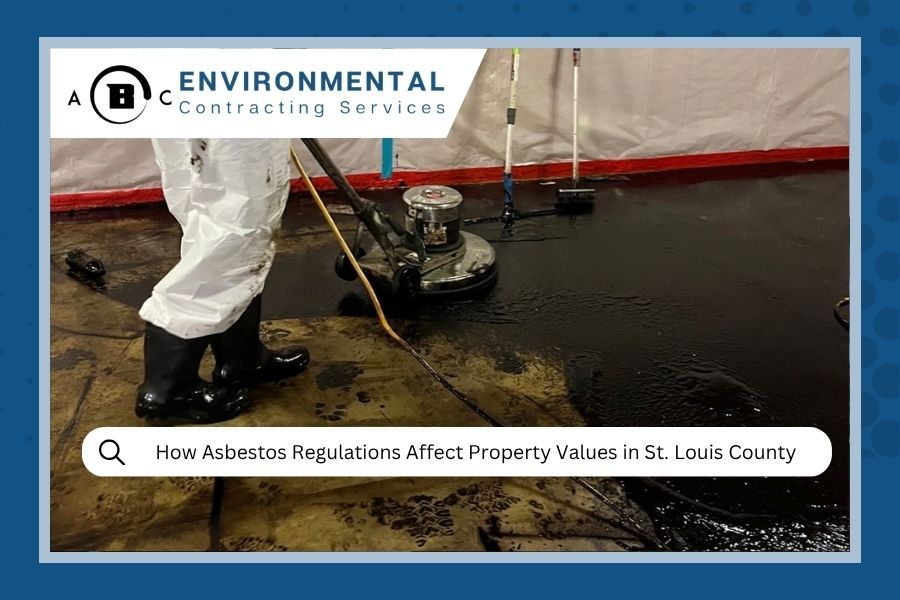
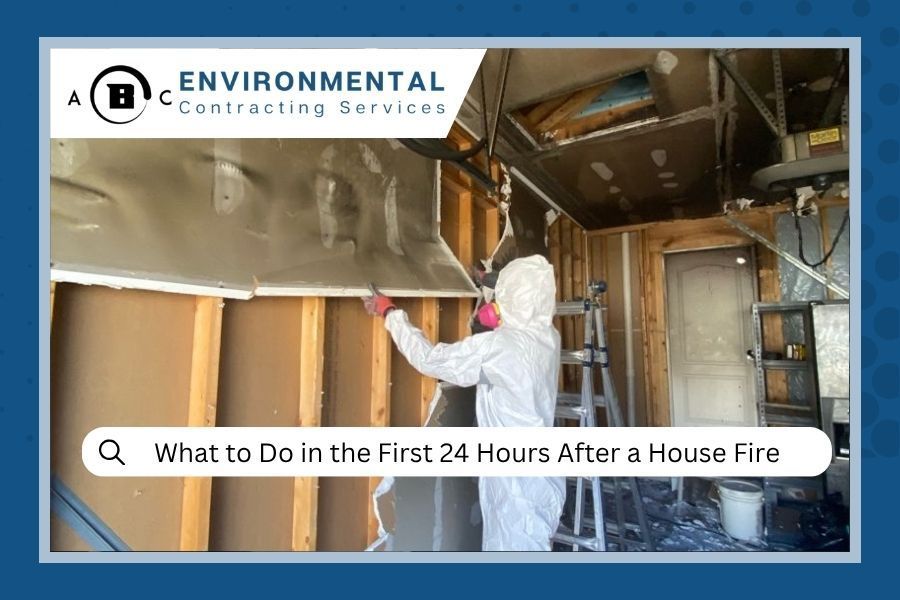
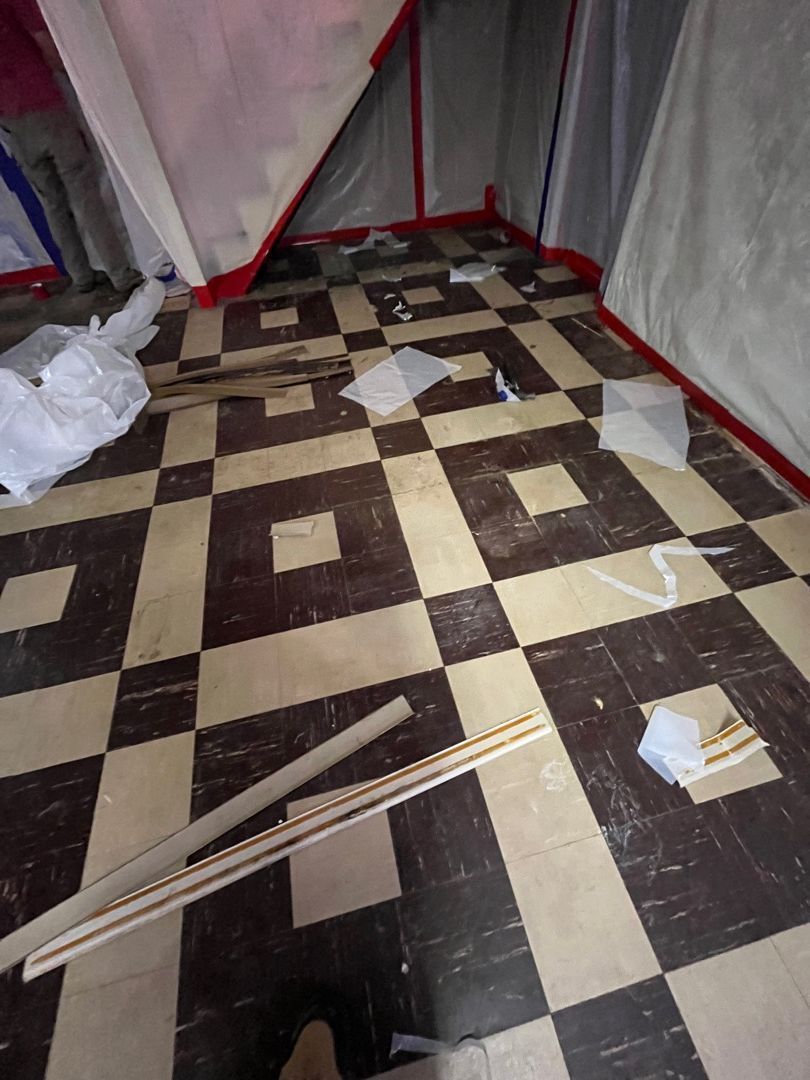
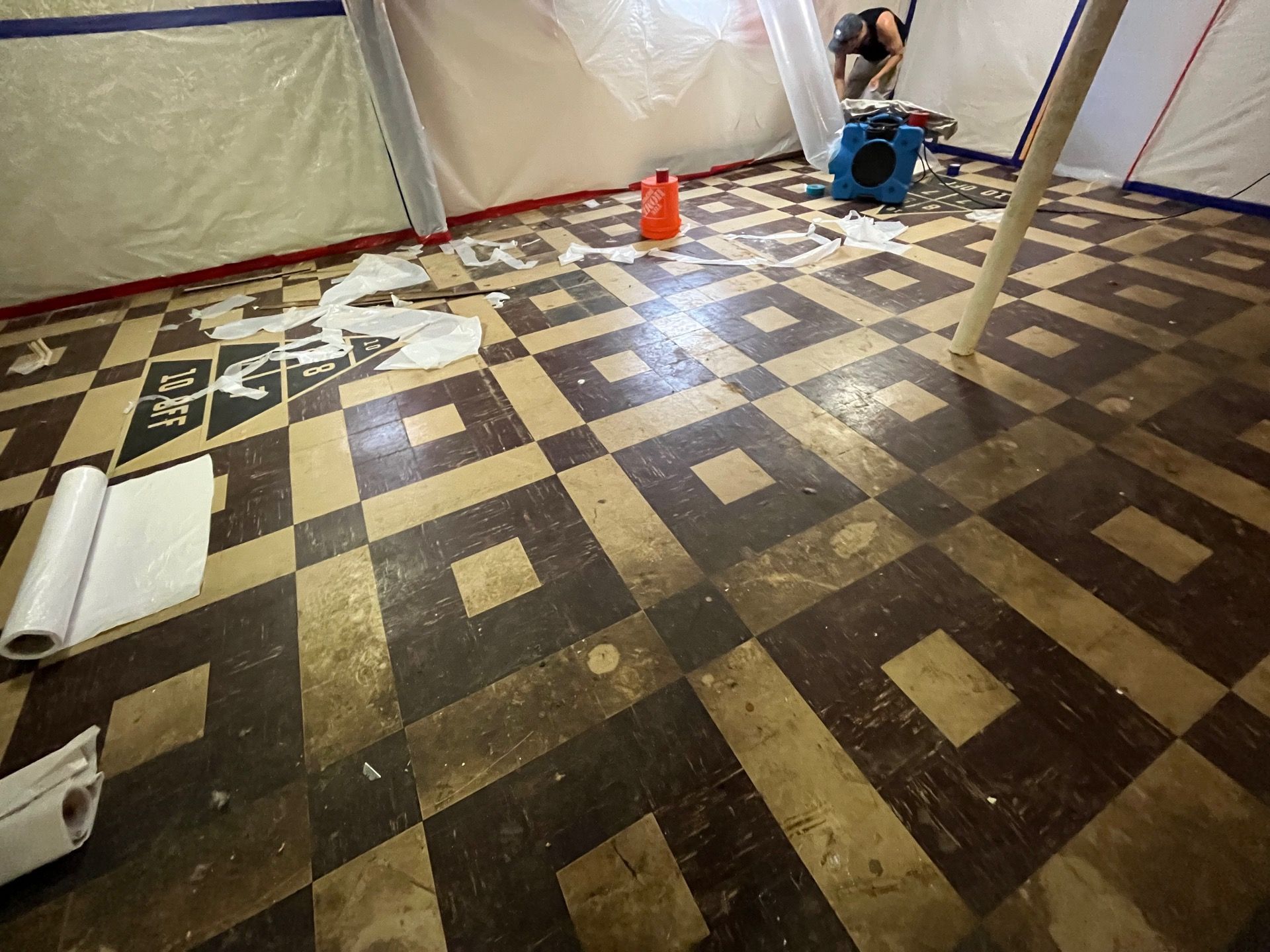
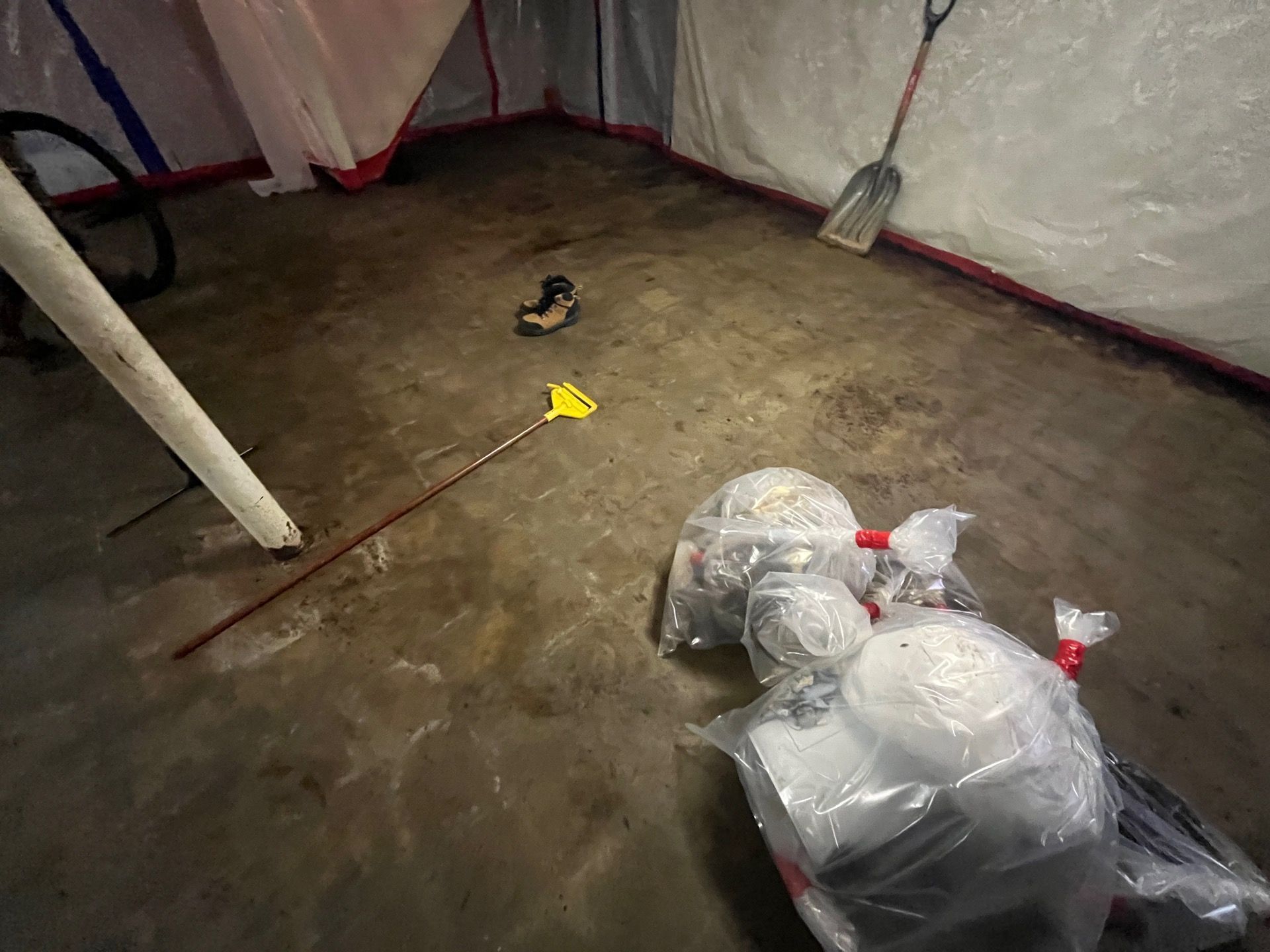
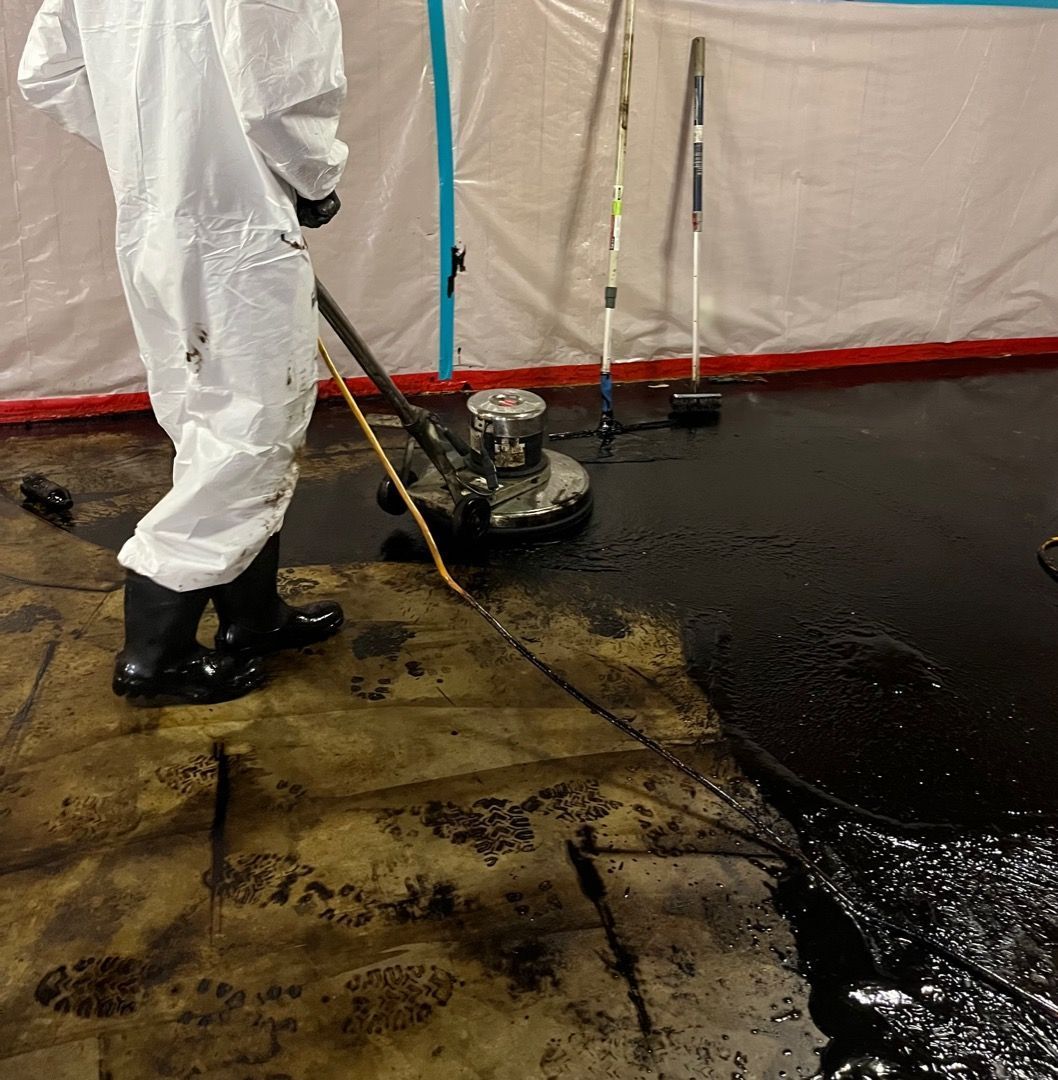
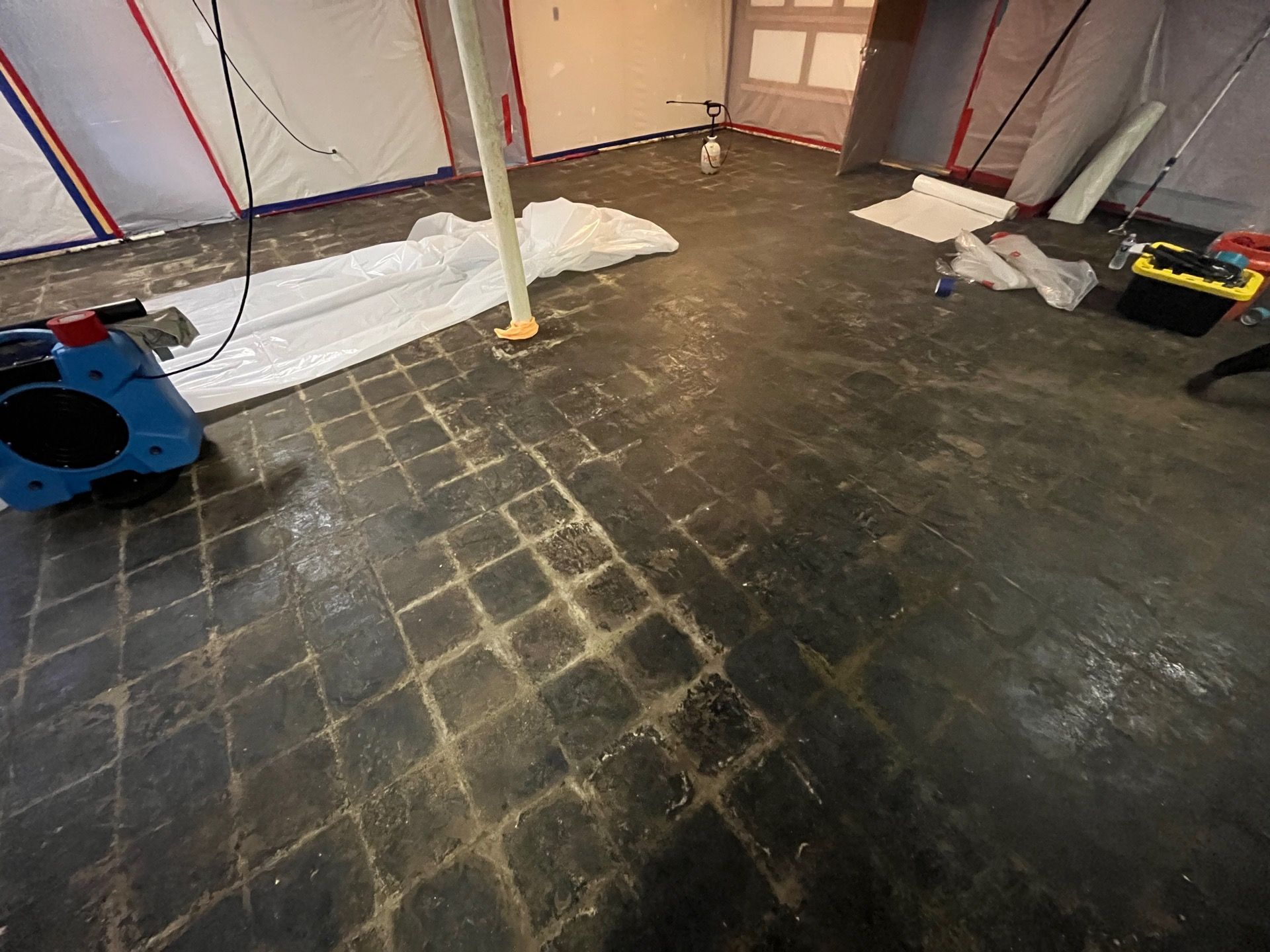
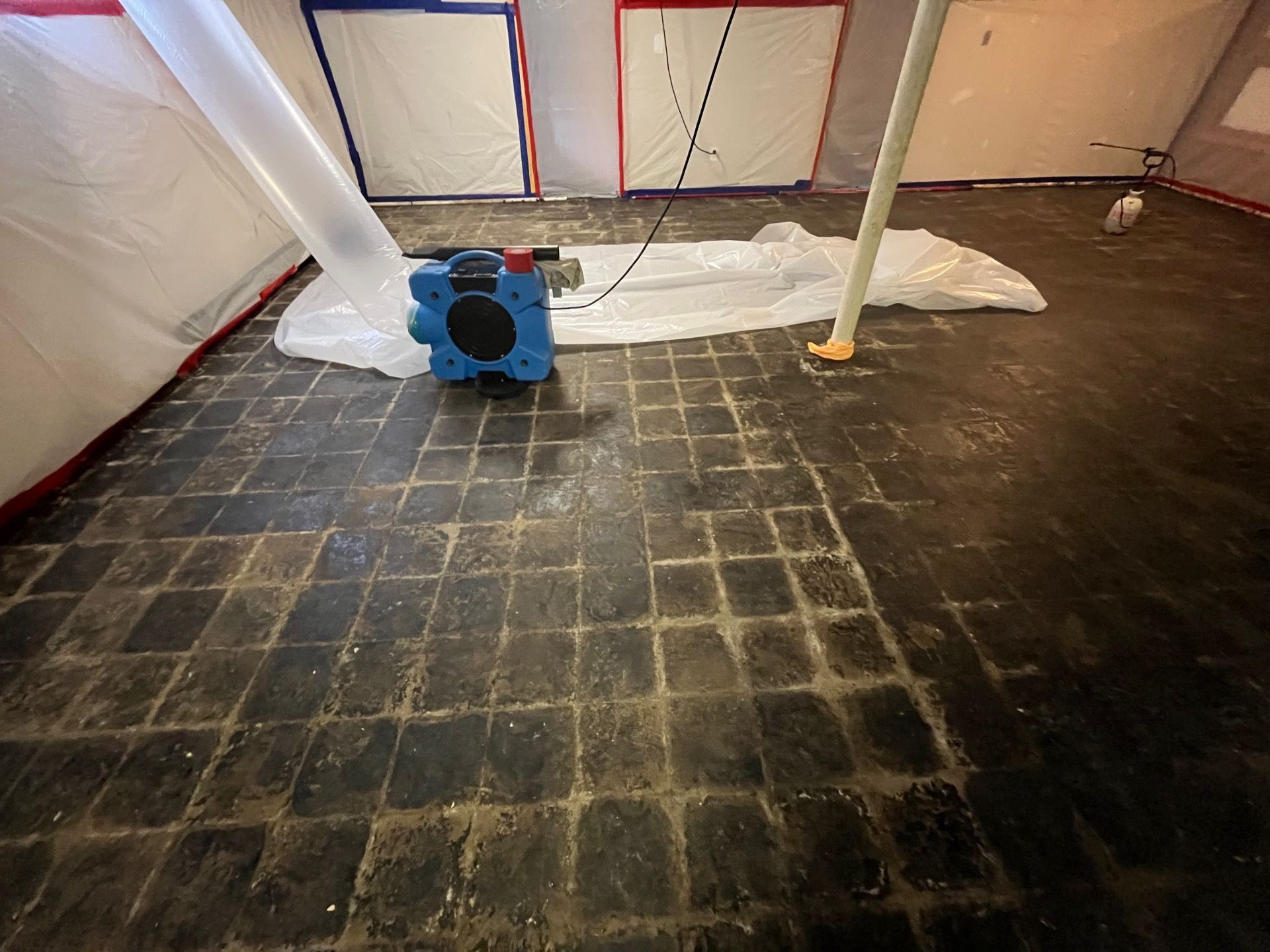
Safe asbestos work comes down to containment. We sealed off the basement with plastic barriers, so nothing spread to the rest of the home. Then we took out the damaged ceiling and materials by hand instead of ripping them out. Every surface got a careful HEPA vacuuming to catch fine dust, then we bagged the debris and got rid of it the right way.
- Sealed containment to keep the work area isolated from living spaces
- Controlled demolition of water-damaged, suspect materials
- HEPA vacuuming and detailed cleaning of all surfaces
- Proper bagging, labeling, and disposal following safety standards
Containment, demolition, and HEPA cleaning during the asbestos removal and mitigation work.
 |
 |
 |
 |
 |
 |
 |
 |
Drying It Out the Right Way
With the hazard gone, we turned to the water itself. Mopping up what you can see is easy. The real work is pulling moisture out of the walls and floor so mold never gets started. That is where structural drying earns its keep.
We set up air movers and dehumidifiers, then checked moisture every day until the numbers hit dry standard. Drying to a real benchmark matters. The IICRC S500 standard shows restoration pros how to confirm a space is truly dry, not just dry to the touch. One tip worth keeping: mold can take hold in a day or two, so fast drying is your best defense.
A Clean, Dry, and Safe Basement Again
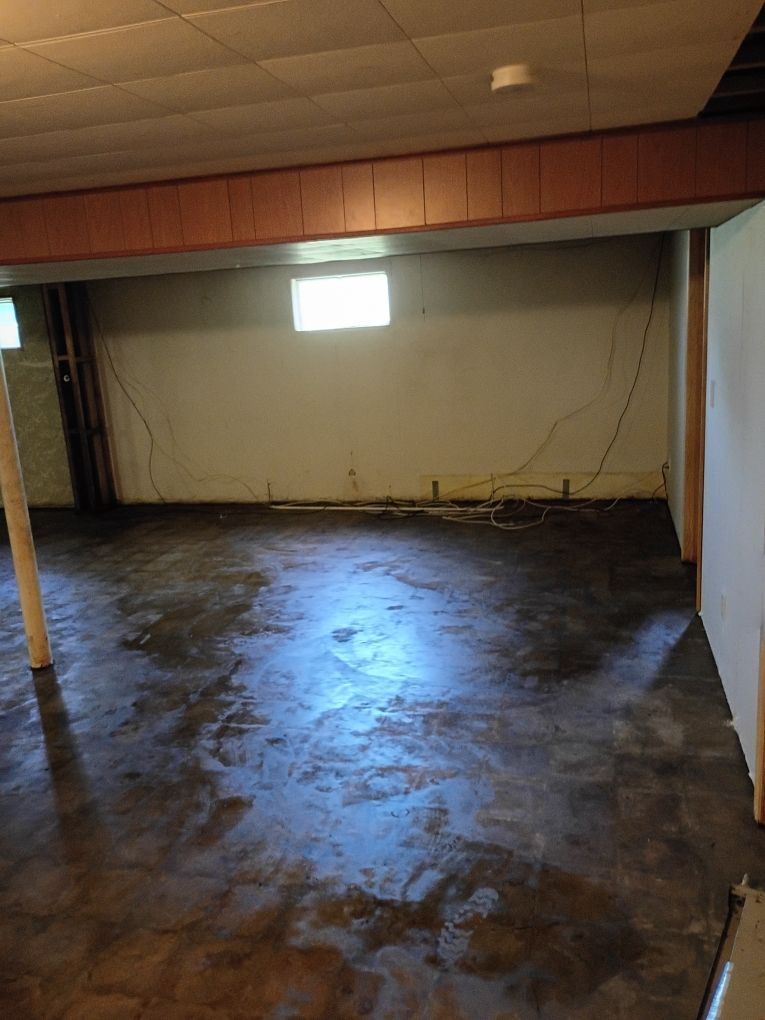
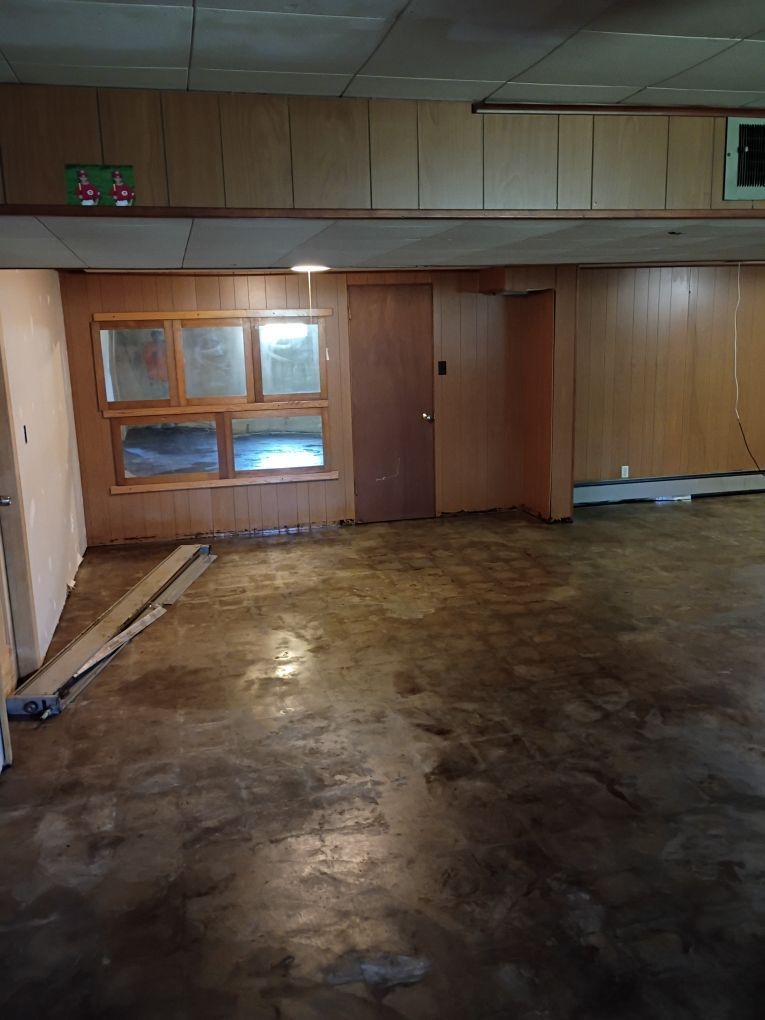
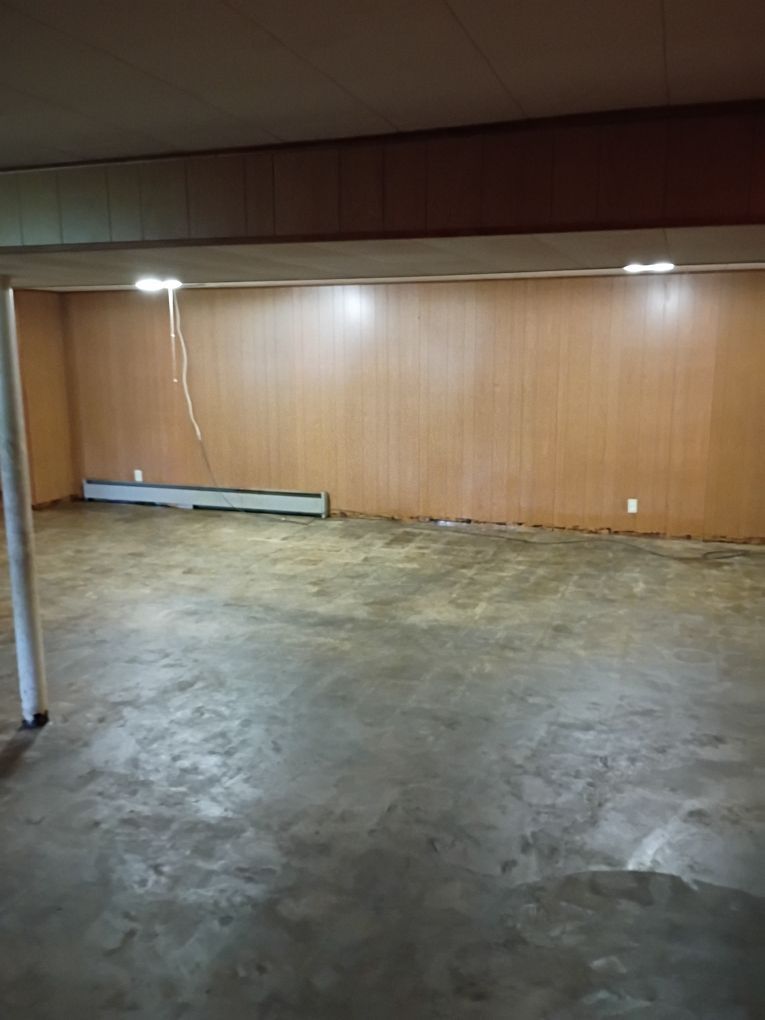
The finished basement told the whole story. Clean, dry, safe, and ready for the homeowner to rebuild. What started as a rough morning ended with a space in better shape than it had been in years.
The basement after water mitigation and asbestos removal, cleaned, dried, and ready.
 |
 |
 |
Water in Your Basement? Do Not Wait.
Water damage in an older home can hide bigger problems underneath. Our veteran-owned team handles water mitigation, asbestos removal, and drying under one roof, 24/7, with free estimates. When you need help fast, reach out and we will take it from here.
Get Emergency Help NowCall anytime: (314) 668-1509
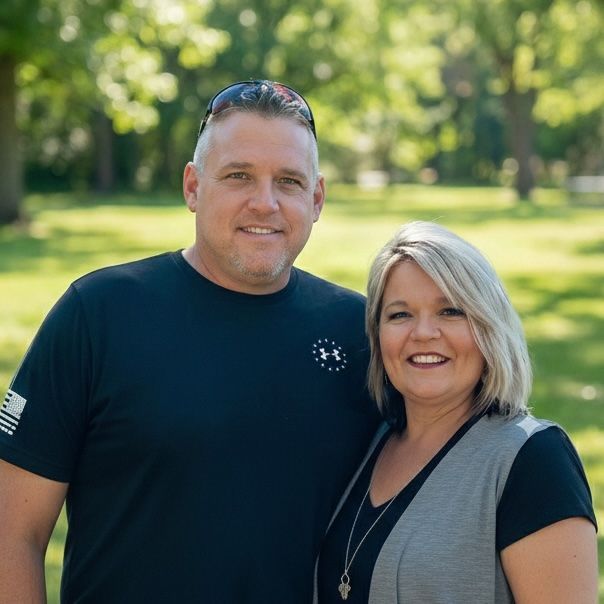
Dan and Tina Benton are the owners of ABC Environmental Contracting Services, a veteran-owned restoration company serving the St. Louis Metro East area. Together, they bring over two decades of expertise in water damage restoration, mold remediation, and asbestos removal for both residential and commercial properties. They're committed to serving their community with integrity and dedication, providing 24/7 emergency response when disaster strikes.