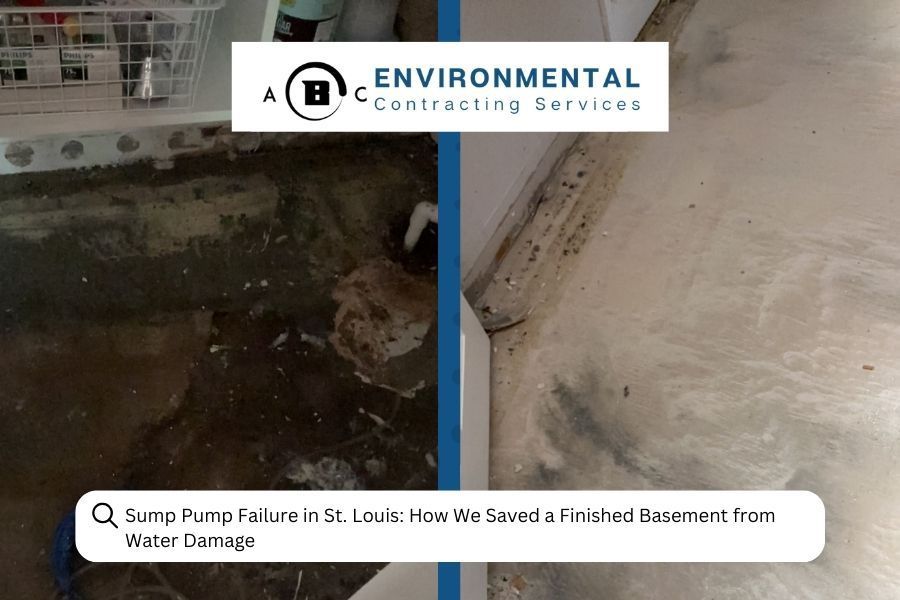
Sump Pump Failure in St. Louis: How We Saved a Finished Basement from Water Damage
A finished basement is supposed to be the bonus room, the home theater, the kids' play space. So when a St. Louis homeowner discovered several inches of water covering their basement floor, it felt like watching years of investment disappear overnight. The culprit? A failed sump pump that couldn't keep up with groundwater intrusion. At ABC Environmental Contracting Services, our team responded quickly to provide emergency water damage restoration and get this family back on track.
When the Sump Pump Stops Working
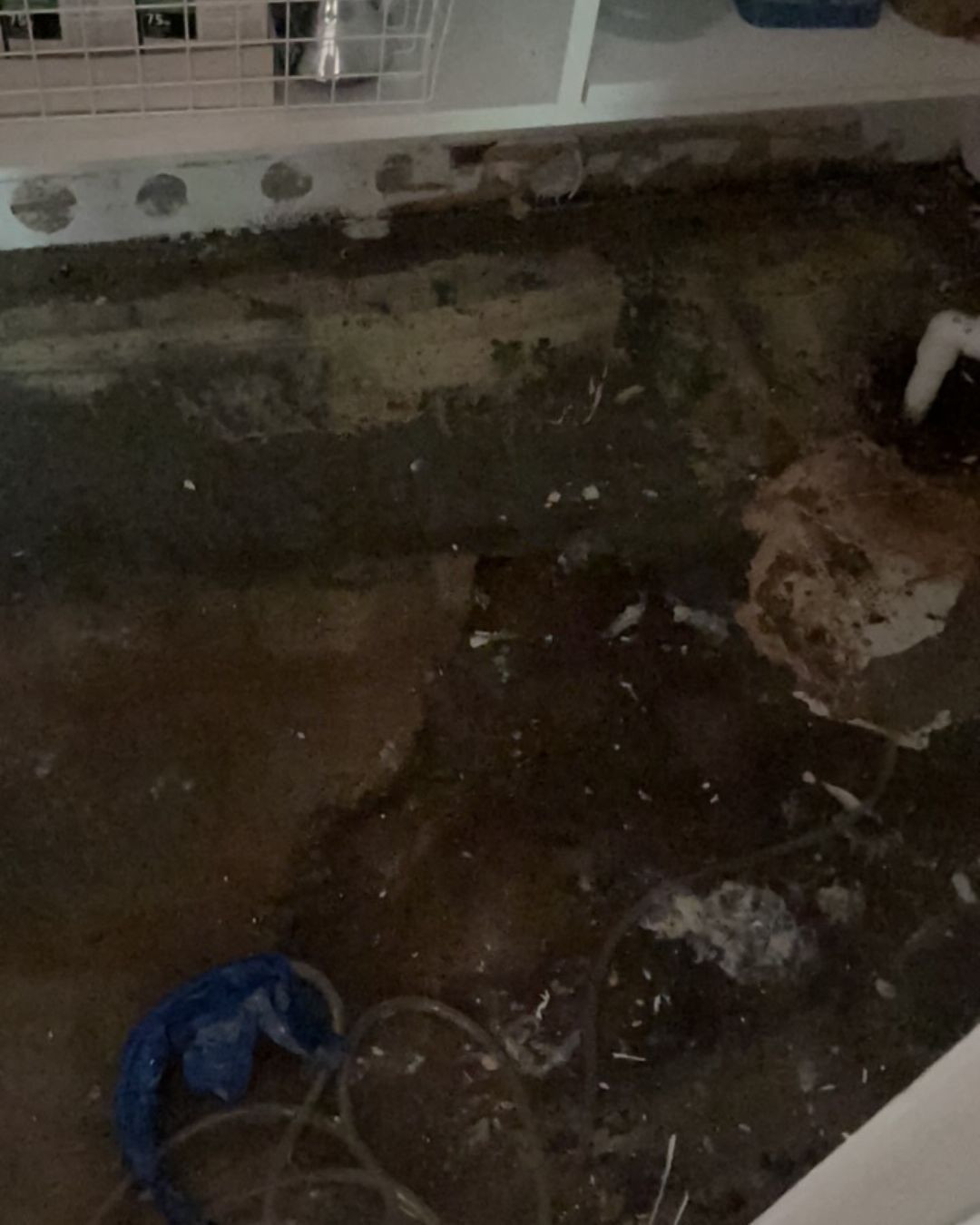
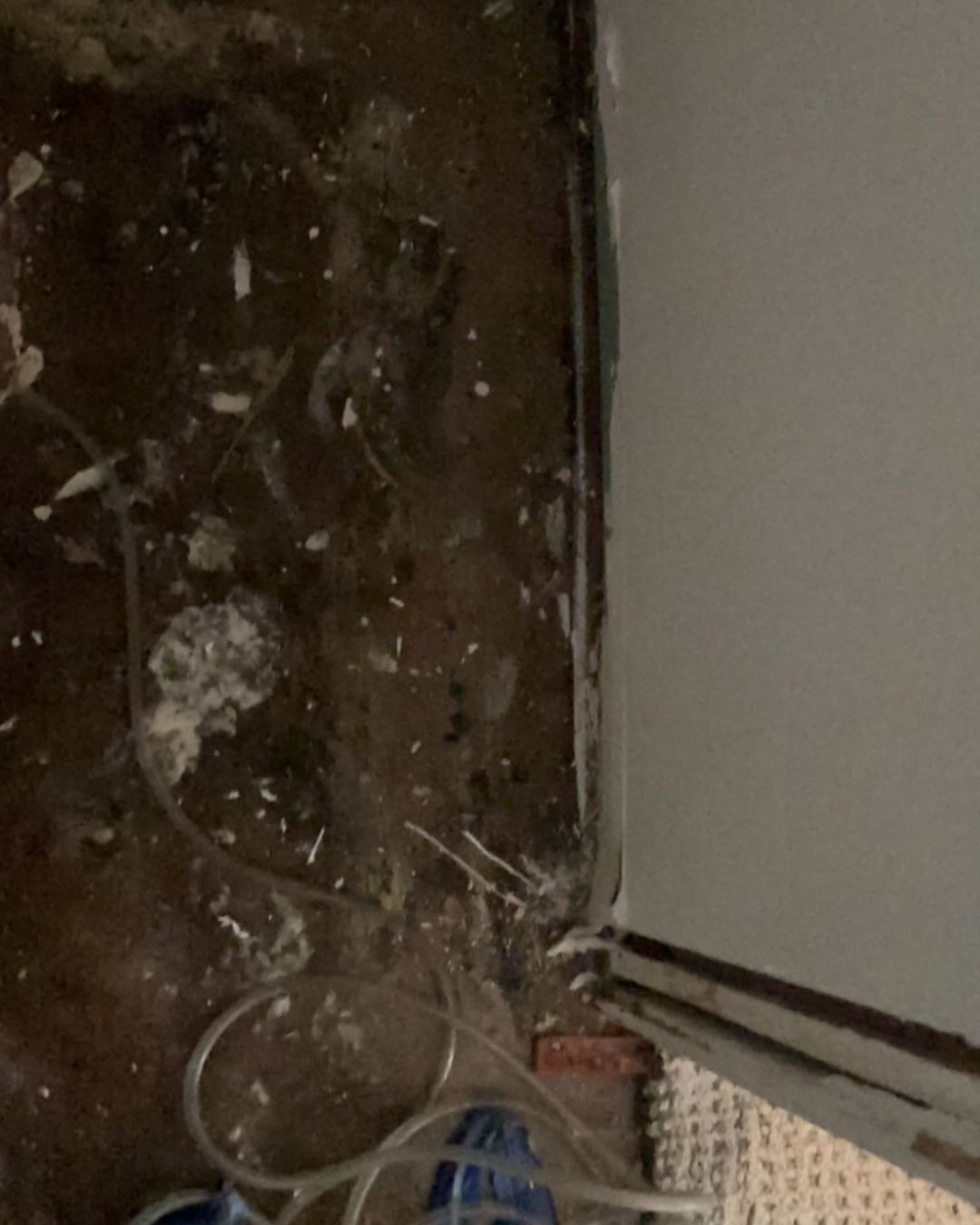
Sump pumps are one of those things you never think about until they fail. This one had been quietly doing its job for years, keeping groundwater at bay. Then one day, it just stopped. Water began pooling in the basement pit and quickly spread across the finished floor, soaking into carpet, padding, and the bottom sections of drywall.
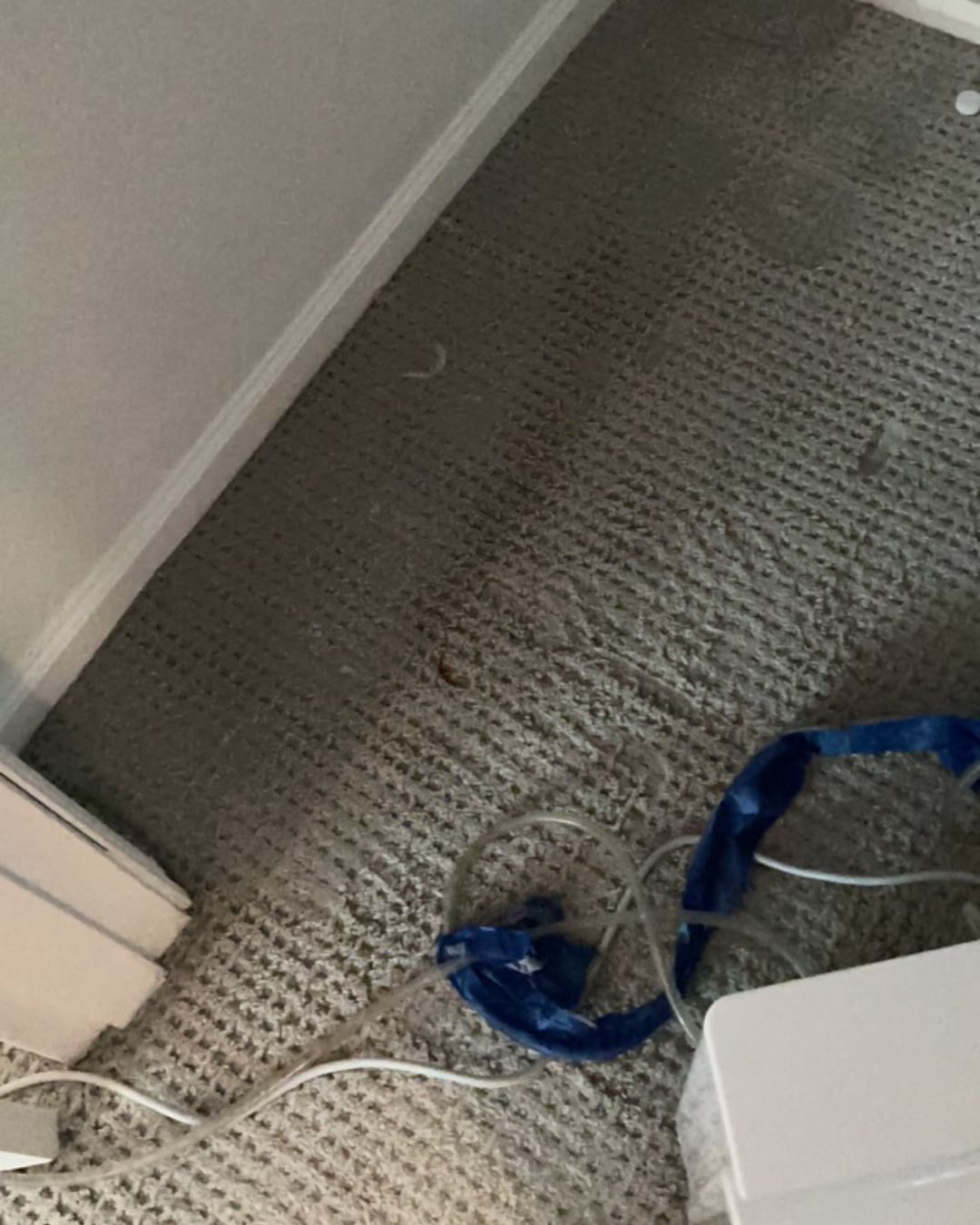
By the time the homeowner noticed, the damage was already significant. Standing water had saturated the carpet throughout the main living area. The baseboards were swelling. And that unmistakable musty smell was starting to develop, a warning sign that mold growth can begin within 48 hours if moisture isn't addressed quickly.
Our Response: Fast Action, Thorough Process
When our crew arrived, the first priority was stopping the damage from spreading further. We immediately began water extraction using commercial-grade equipment designed to pull moisture from carpet fibers and subfloor materials. Speed matters in these situations. According to IICRC water damage restoration standards, the first 24 to 48 hours are critical for preventing secondary damage like mold growth and structural deterioration.
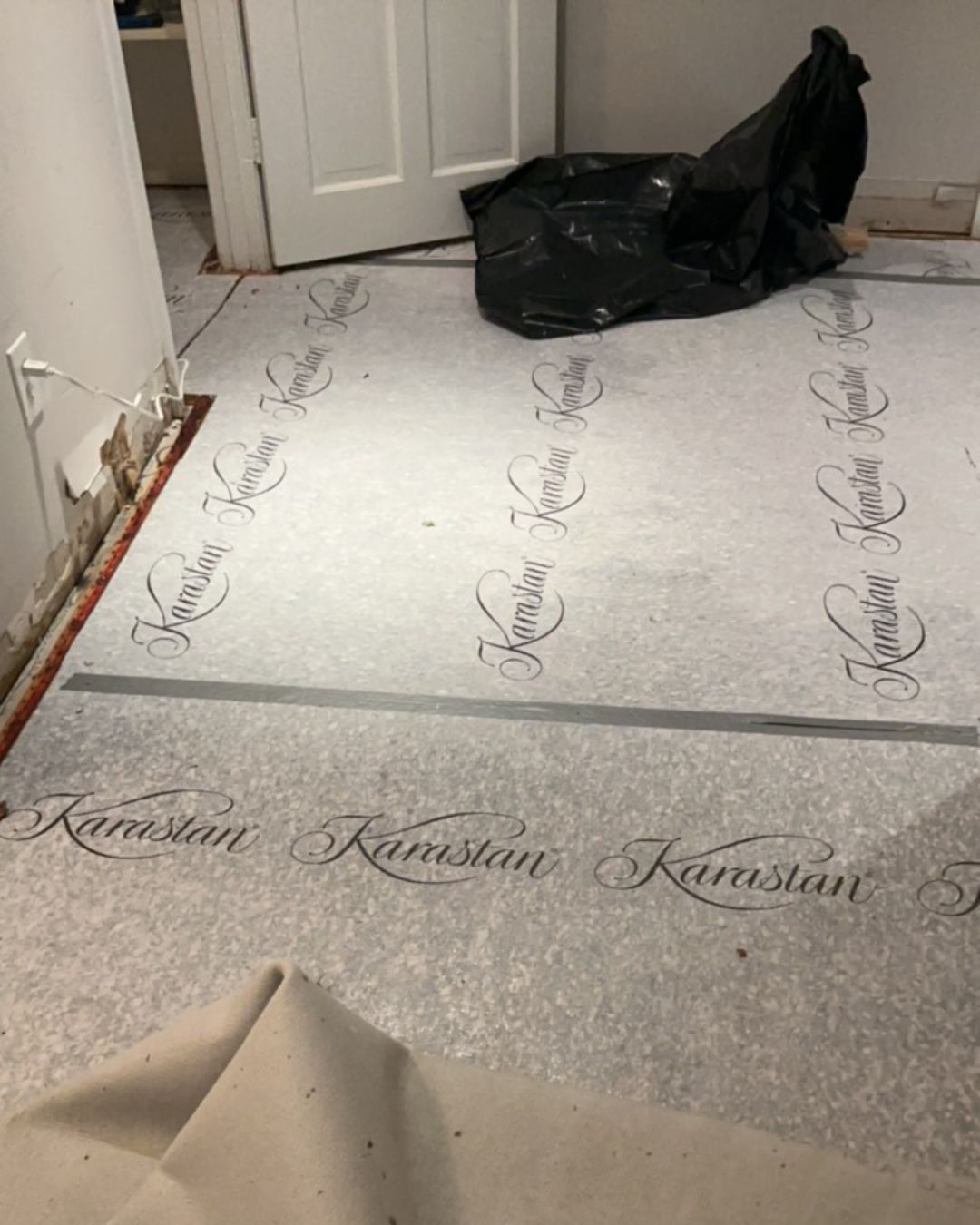
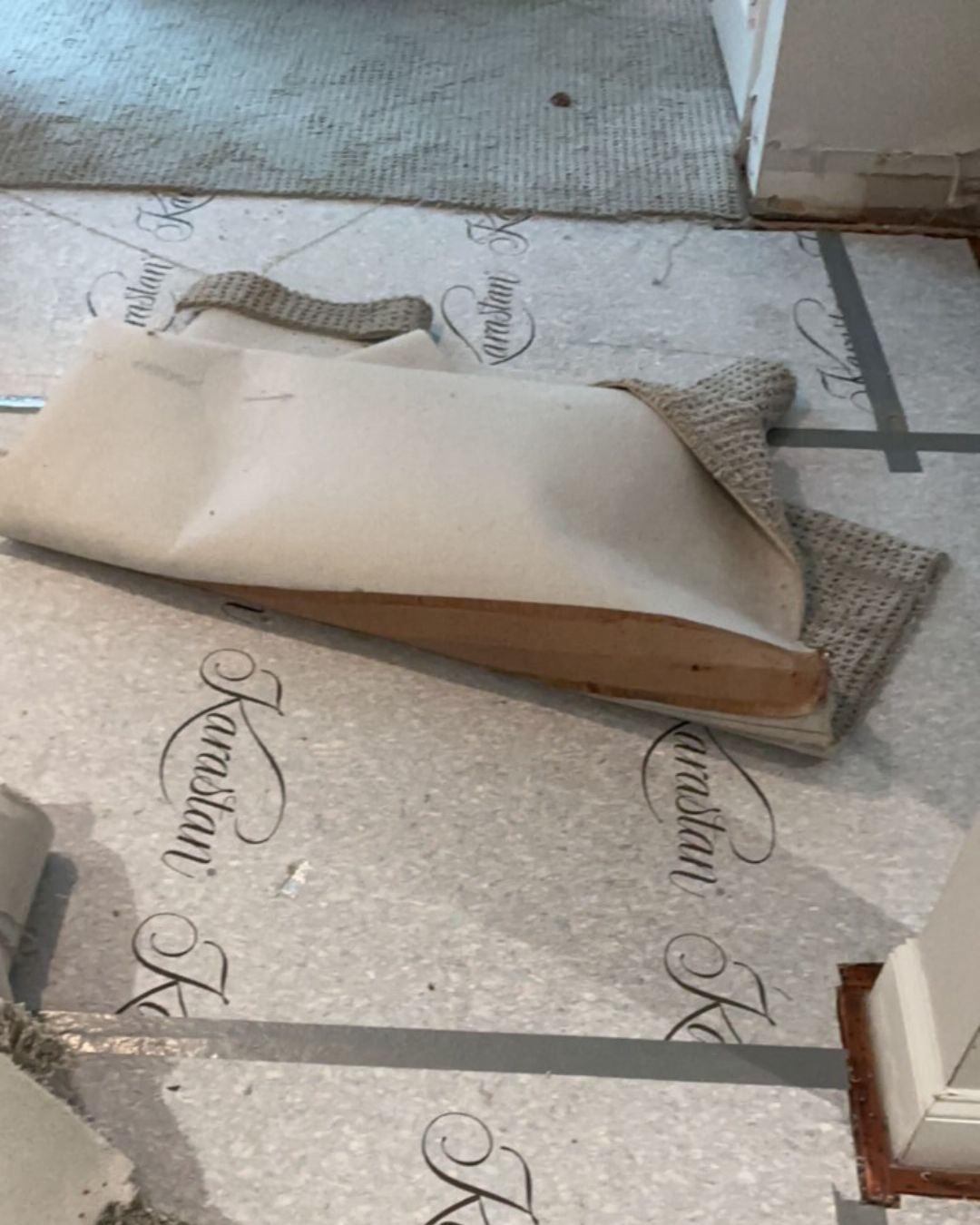
The carpet and padding couldn't be saved. Prolonged water exposure had saturated them beyond what professional cleaning could address. We carefully removed all affected flooring materials, documenting everything for the homeowner's insurance claim.
Flood Cuts and Wall Cavity Access
Here's something many homeowners don't realize: water doesn't just damage what you can see. It wicks up into drywall, sometimes climbing 12 to 18 inches above the visible waterline. Left untreated, that hidden moisture becomes a breeding ground for mold inside your walls.
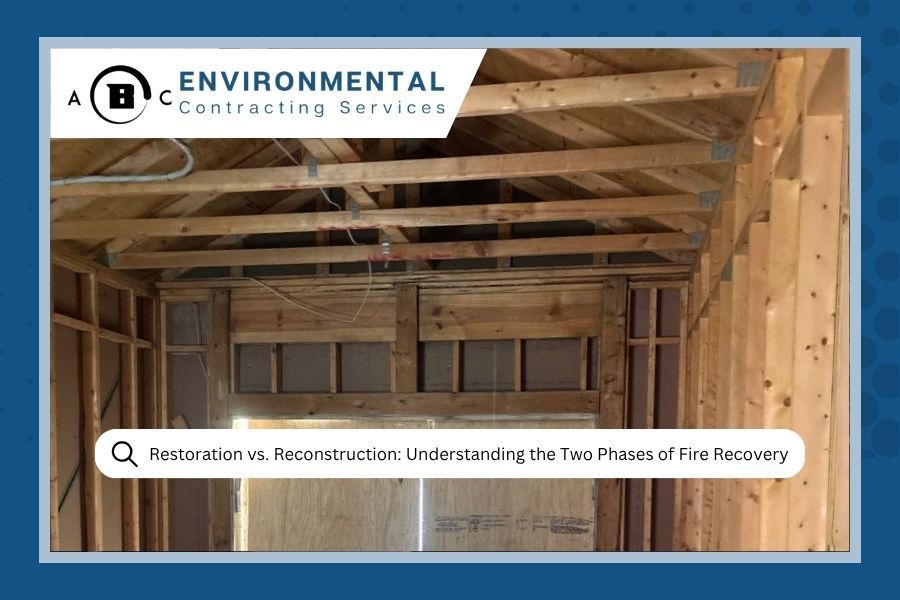
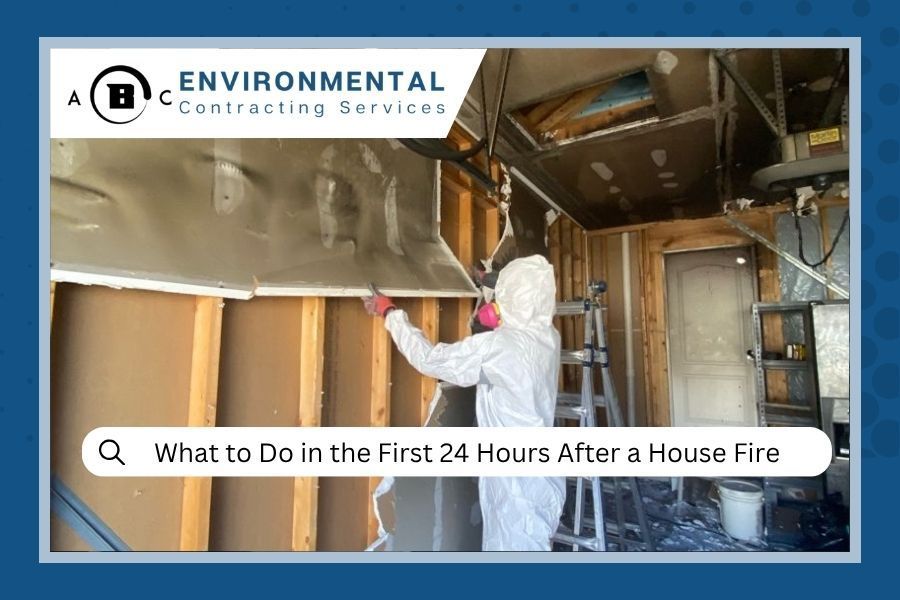
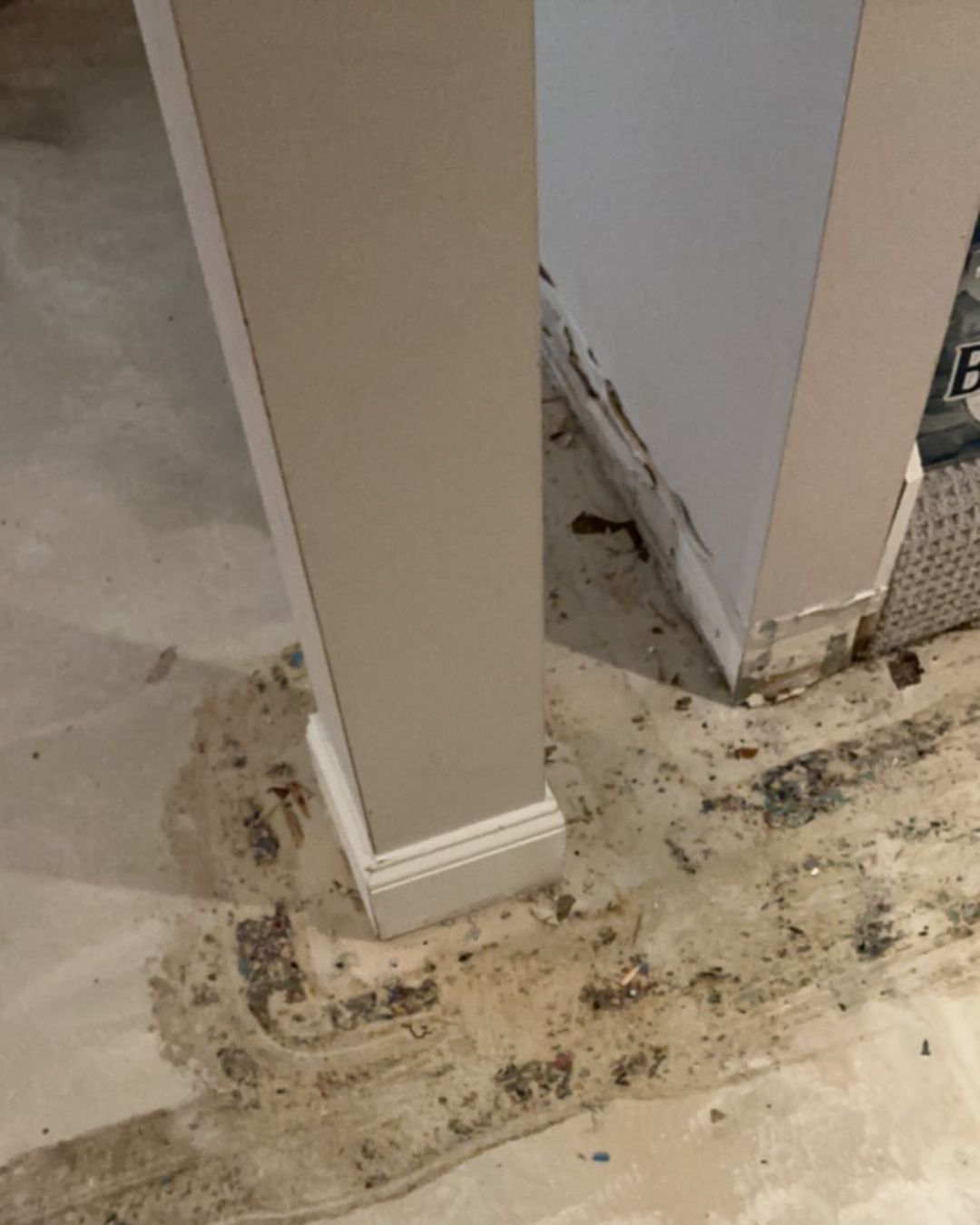
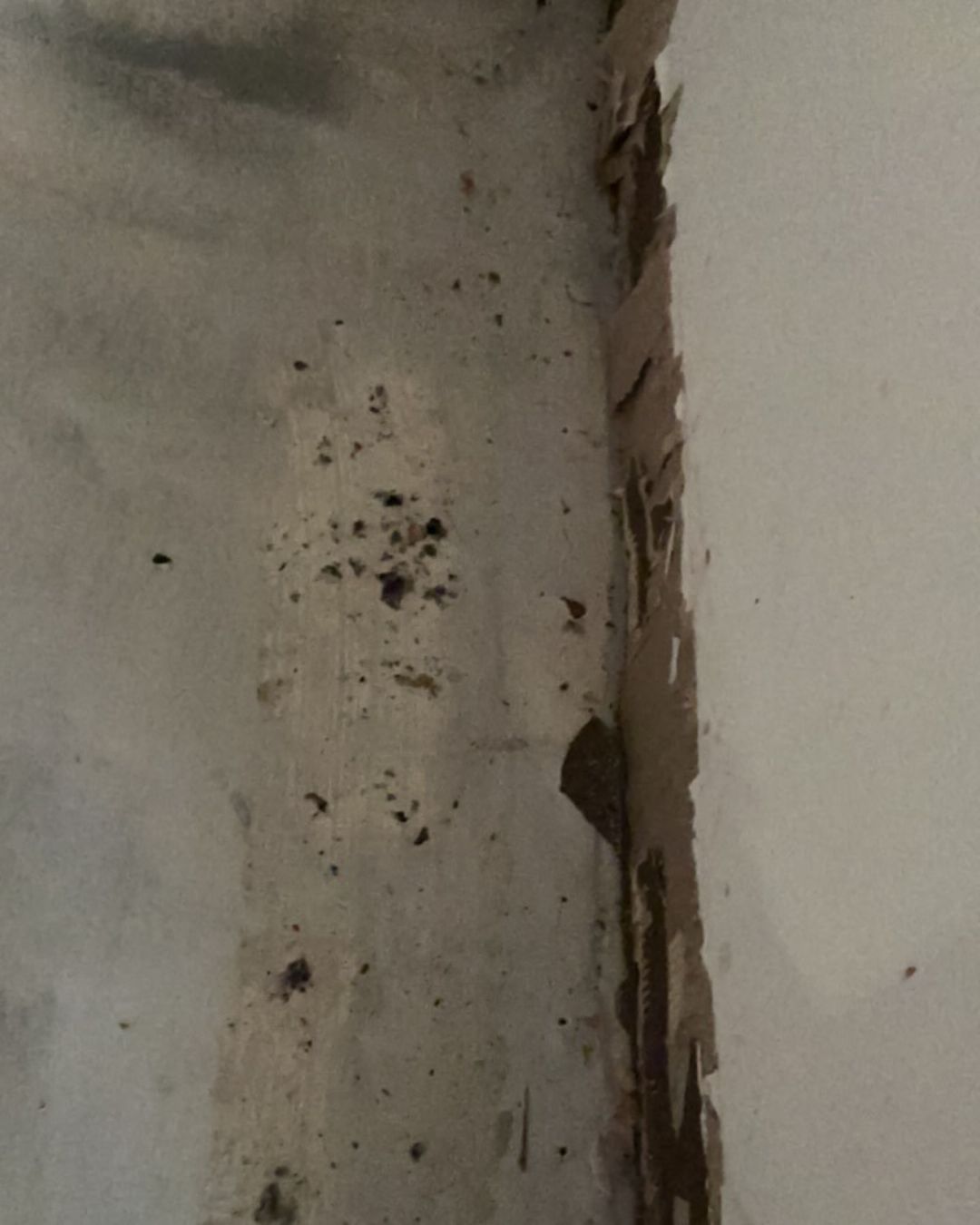
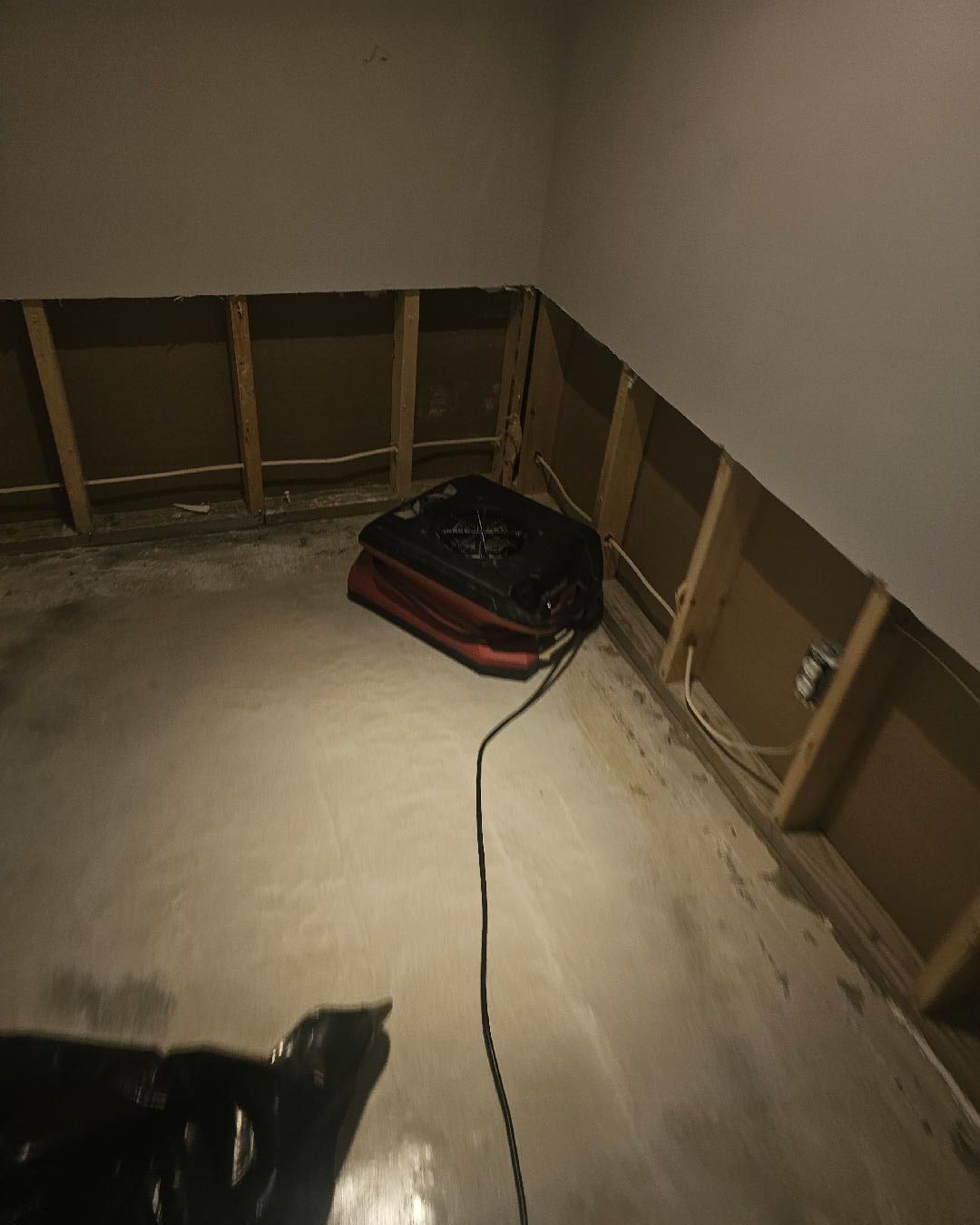
We performed 2-foot flood cuts on all affected walls throughout the basement. This means cutting away the lower portion of drywall to expose the wall cavities behind. It might look dramatic, but it's the only way to ensure complete drying and prevent problems down the road. The hidden costs of delaying proper extraction can be significant if this step is skipped.
The Cleanup Process
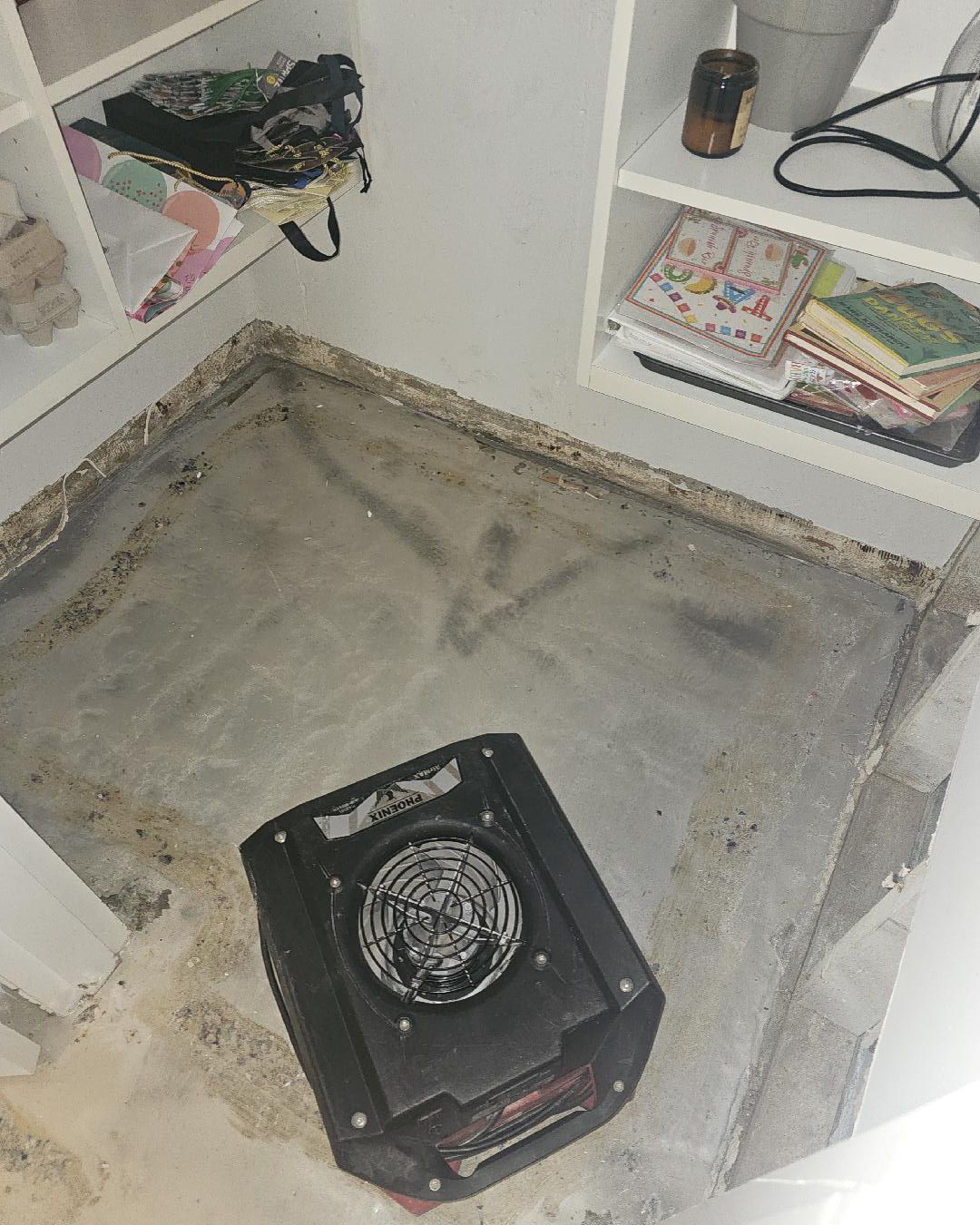
Once the demolition was complete, our team swept up all debris and prepared the space for treatment. We applied antimicrobial solution to all exposed surfaces, including the concrete subfloor, wall framing, and remaining drywall sections. As the EPA notes in their guide to mold and moisture, controlling moisture is the key to controlling mold growth indoors.
Then came the drying equipment. We strategically placed commercial dehumidifiers and air movers throughout the basement to create optimal airflow. Proper drying typically takes 3 to 5 days depending on conditions. Our team monitors moisture levels daily to ensure everything reaches safe levels before any reconstruction begins.
Why Sump Pump Failures Are So Common in St. Louis
St. Louis sits on clay-heavy soil that doesn't drain well. When heavy rains hit, or when snow melts quickly, groundwater levels rise and put pressure on basement foundations. Sump pumps work overtime during these periods, and that's often when they fail.
Common causes include mechanical wear, power outages during storms, float switch malfunctions, and simply aging equipment. Most sump pumps last 7 to 10 years with proper maintenance. If yours is getting up there in age, a backup battery system or secondary pump can provide valuable insurance against failures.
What Homeowners Can Learn From This Project
This project reinforced something we see regularly: quick response makes a real difference in the scope of damage and cost of repairs. The homeowner called us within hours of discovering the flooding, which allowed us to begin extraction before conditions worsened. Understanding when materials can be saved versus when they need replacement is part of the expertise our team brings to every job.
A few practical tips if you have a basement with a sump pump: test it periodically by pouring water into the pit, consider a battery backup system for power outages, and don't ignore small warning signs like unusual sounds or short cycling.
Dealing With Water Damage in Your St. Louis Home?
Whether it's a sump pump failure, burst pipe, or storm flooding, our team at ABC Environmental Contracting Services is available 24/7 to respond to water emergencies throughout the St. Louis metro area. With over 20 years of combined experience, we handle everything from initial extraction through complete restoration.
Call us at (314) 668-1509 or contact our team online to get help fast.
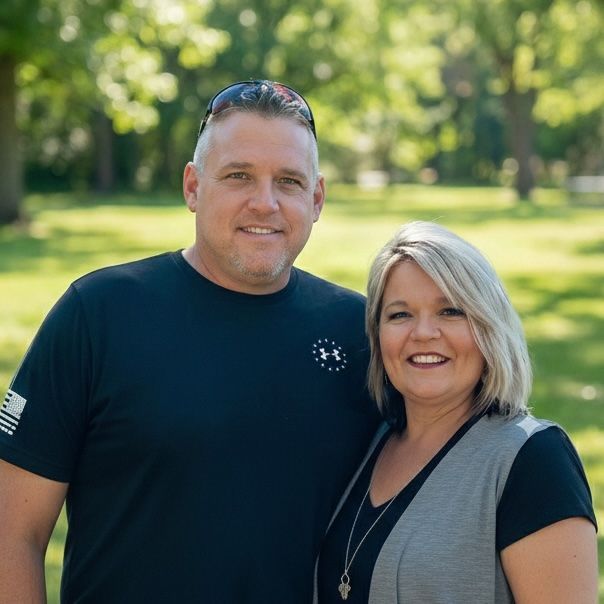
Dan and Tina Benton are the owners of ABC Environmental Contracting Services, a veteran-owned restoration company serving the St. Louis Metro East area. Together, they bring over two decades of expertise in water damage restoration, mold remediation, and asbestos removal for both residential and commercial properties. They're committed to serving their community with integrity and dedication, providing 24/7 emergency response when disaster strikes.