Mold Growth Rates in St. Louis Humidity: The 48-Hour Critical Window
Jump To:
When water enters your St. Louis home, the clock starts immediately. You have roughly 48 hours before mold begins colonizing damp materials. That is not a scare tactic. It is biology, and our region's humidity makes matters worse. At ABC Environmental Contracting Services, we have responded to hundreds of water damage calls across the Metro East, and the pattern is always the same: homeowners who act within that first 48 hours save thousands in mold remediation costs. Those who wait often face a much bigger problem.
Why 48 Hours Is the Critical Window
Mold spores exist everywhere. They float through your house right now, harmless and dormant. What they need to become a problem is moisture, warmth, and an organic food source like drywall paper or wood. St. Louis homes provide all three in abundance, especially during our humid summers and when heating systems run in winter.
According to the EPA's mold and health guidelines, mold can begin growing on damp surfaces within 24 to 48 hours under favorable conditions. Our local conditions? Almost always favorable.
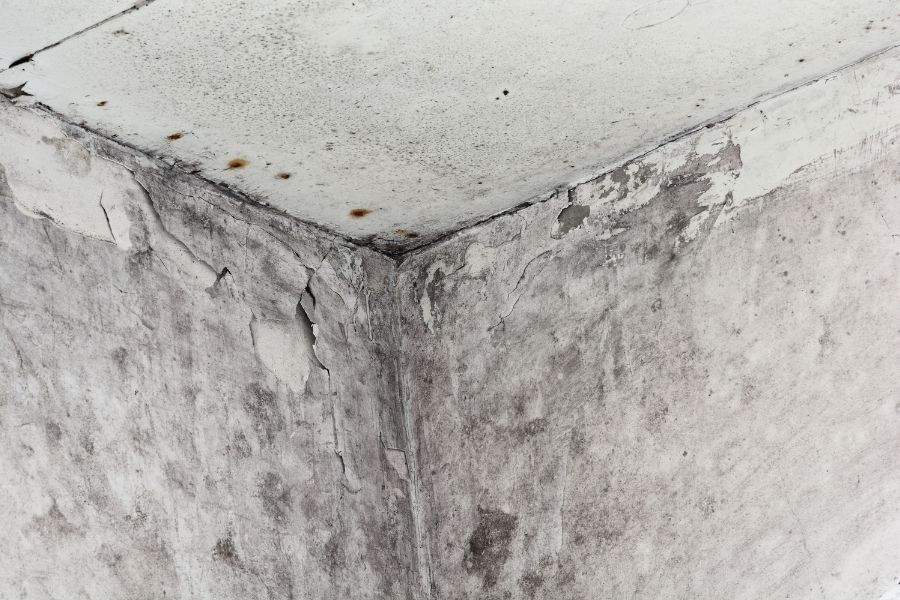
Ceiling corners trap moisture and become prime locations for mold colonization after water intrusion.
How St. Louis Humidity Accelerates Mold Growth
Our region sits in what climatologists call a humid subtropical zone. Summer relative humidity regularly exceeds 70 percent. Even inside air-conditioned homes, indoor humidity levels often hover between 50 and 60 percent. Mold thrives above 55 percent humidity.
Basements present particular challenges here. Most St. Louis homes have basements, and most basements struggle with moisture control year-round. Add a sump pump failure or foundation seepage during spring rains, and you have created ideal mold habitat.
Water damage in your home? Every hour counts.
Our 24/7 emergency team responds across the St. Louis Metro area to stop mold before it starts.
Get Emergency Help NowWhat Happens Hour by Hour After Water Damage
Understanding the timeline helps you recognize urgency. Here is what happens inside your walls after water intrusion:
Mold Growth Timeline in St. Louis Conditions
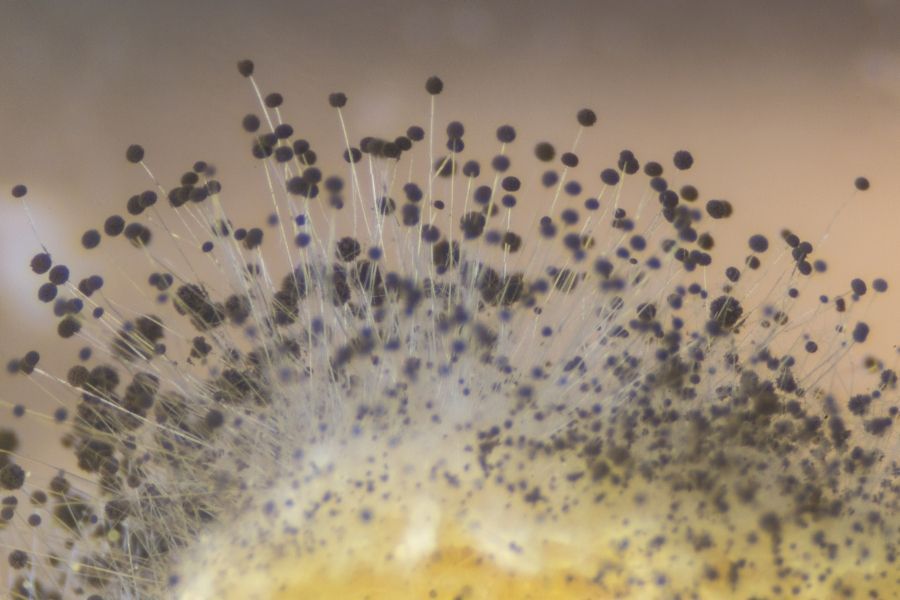
Mold spores are microscopic and invisible during the early colonization stage, which is why quick response matters.
Prevention and Emergency Response Steps
The good news? Mold growth is preventable when you act fast. The CDC emphasizes that controlling moisture is the key to controlling mold. Here is what that looks like in practice:
Immediate Actions After Water Intrusion
- Remove standing water immediately. Wet/dry vacuums help with small amounts. Larger flooding requires professional extraction equipment that pulls water from carpet padding and subfloors.
- Increase air circulation. Open windows if weather permits. Run fans to keep air moving across wet surfaces.
- Deploy dehumidifiers. Target indoor humidity below 50 percent. Consumer-grade units work for minor moisture, but significant water damage needs commercial dehumidification.
- Document everything. Photograph water damage for insurance purposes before cleanup begins.
When to Call Professionals
DIY efforts work for small spills on hard surfaces. Beyond that, professional intervention prevents secondary damage. Call restoration experts when water affects porous materials like drywall or carpet, when you notice musty odors or discoloration, or when water comes from contaminated sources like sewage or flooding.
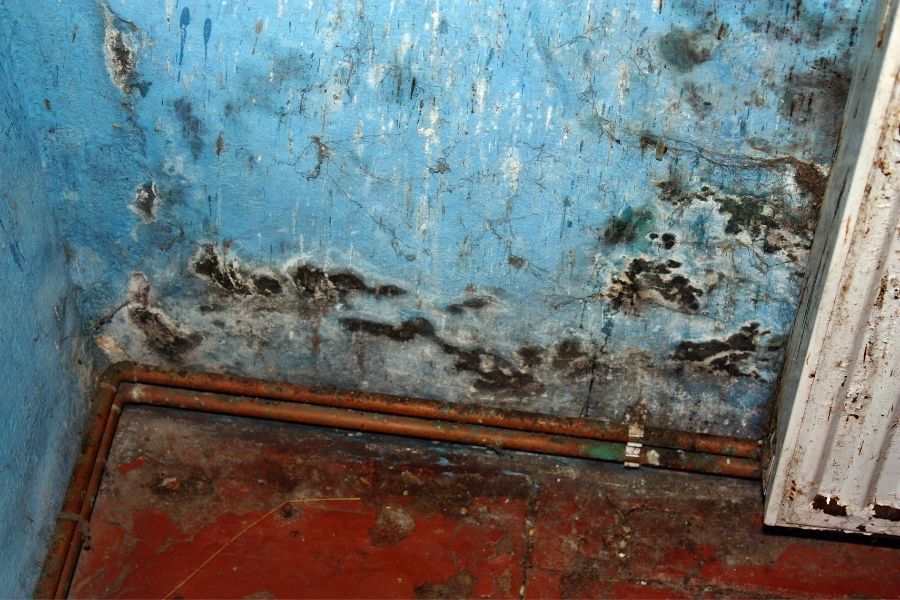
Basement walls with chronic moisture problems often develop extensive mold growth requiring professional remediation.
DIY vs. Professional Response Comparison
| Factor | DIY Approach | Professional Response |
|---|---|---|
| Water extraction rate | 50-100 gallons per hour | 500+ gallons per hour |
| Hidden moisture detection | Limited to visible areas | Thermal imaging finds moisture in walls |
| Drying time | 5-7 days or longer | 2-4 days with industrial equipment |
| Mold prevention success | Variable, often incomplete | High when response is within 48 hours |
Seasonal Considerations for St. Louis Homeowners
Water damage risks shift throughout the year, and so does mold growth speed. Summer storms overwhelm basement drains. Winter brings frozen pipes and ice dam leaks. Our winter weather patterns create unique risks as freeze-thaw cycles stress plumbing systems. Spring HVAC transitions often cause condensation in hidden spaces, feeding slow mold growth without any dramatic flooding.
Frequently Asked Questions
Can mold grow in less than 48 hours in St. Louis?
Yes. During peak summer humidity, mold can begin colonizing damp materials in as little as 24 hours. The 48-hour window represents typical conditions, but hot, humid weather accelerates the process. Basements with poor ventilation face the fastest growth rates.
Does running my air conditioner prevent mold after water damage?
Air conditioning reduces humidity but cannot adequately dry water-saturated materials. AC systems typically maintain 50-60 percent humidity, still within mold growth range. Professional equipment targets below 40 percent and creates airflow that penetrates porous materials.
How do I know if mold is growing behind my walls after a leak?
Musty odors are the most common early indicator, even when no visible mold exists. Peeling or bubbling paint, warped drywall, and persistent allergy symptoms in specific rooms also suggest hidden mold. Professional moisture meters and thermal cameras can confirm moisture presence in wall cavities before visible damage appears.
Will my homeowner's insurance cover mold remediation?
Most policies cover mold when it results from a covered event like a burst pipe or appliance failure. Policies typically exclude mold from maintenance issues like chronic leaks. Documenting damage immediately and responding quickly strengthens insurance claims by demonstrating reasonable mitigation efforts.
Worried About Mold After Water Damage?
At ABC Environmental Contracting Services, our veteran-owned team responds 24/7 across the St. Louis Metro area. We have the equipment to dry your home fast and the experience to do it right.
Contact Our Team
Dan and Tina Benton are the owners of ABC Environmental Contracting Services, a veteran-owned restoration company serving the St. Louis Metro East area. Together, they bring over two decades of expertise in water damage restoration, mold remediation, and asbestos removal for both residential and commercial properties. They're committed to serving their community with integrity and dedication, providing 24/7 emergency response when disaster strikes.