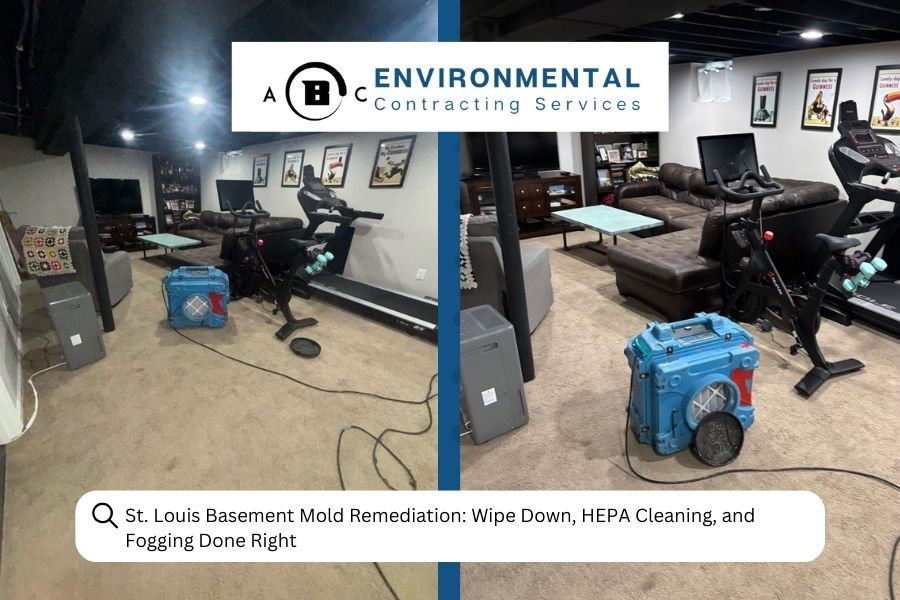
St. Louis Basement Mold Remediation: Wipe Down, HEPA Cleaning, and Fogging Done Right
There's something about a finished basement that makes homeowners breathe a little easier. Extra space for movie nights, a home office, a place for the kids to spread out. So when one St. Louis homeowner started noticing a musty smell coming from downstairs, that sense of comfort quickly turned into concern. What they discovered was a mold problem that had quietly taken hold, and our team at ABC Environmental Contracting Services was ready to help get their basement back to safe, clean condition.
When a Musty Smell Signals Something Bigger
Like so many mold situations, this one started with a small water intrusion that went unnoticed for a while. By the time the homeowner picked up on that telltale earthy odor drifting up from the basement, mold had already begun spreading in areas that weren't immediately visible. The thing about mold is it doesn't wait around. According to the EPA's guidelines on mold cleanup, mold can begin growing within 24 to 48 hours after moisture exposure, which is why acting quickly is so important.
When they called us, there was real worry in their voice. That's normal. No one wants to hear the word "mold" in the same sentence as their home. We assured them we'd take a thorough look and walk them through exactly what needed to happen to make things right.
Assessing the Scope of the Mold Damage
Our crew arrived and immediately got to work inspecting the finished basement. The affected areas included a hallway, a closet space, and portions of the main living area downstairs. We found mold growth on walls and had concerns about what might be lurking behind surfaces where moisture had lingered. Using professional moisture detection equipment, we mapped out exactly where the problem areas were so we could develop a complete remediation plan.
Setting Up for Safe Remediation
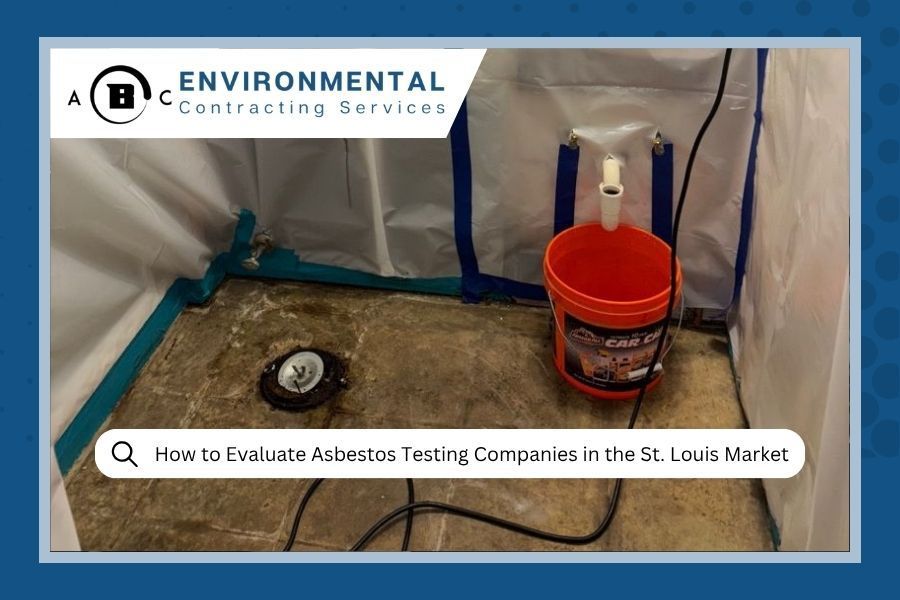
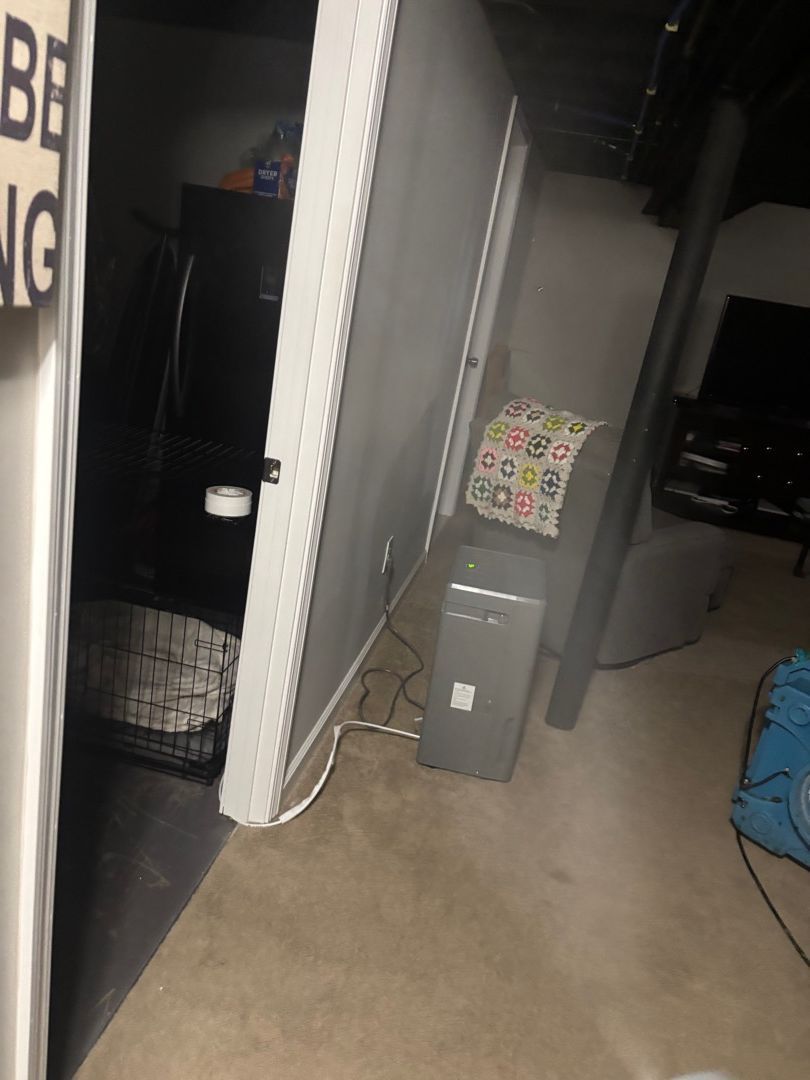
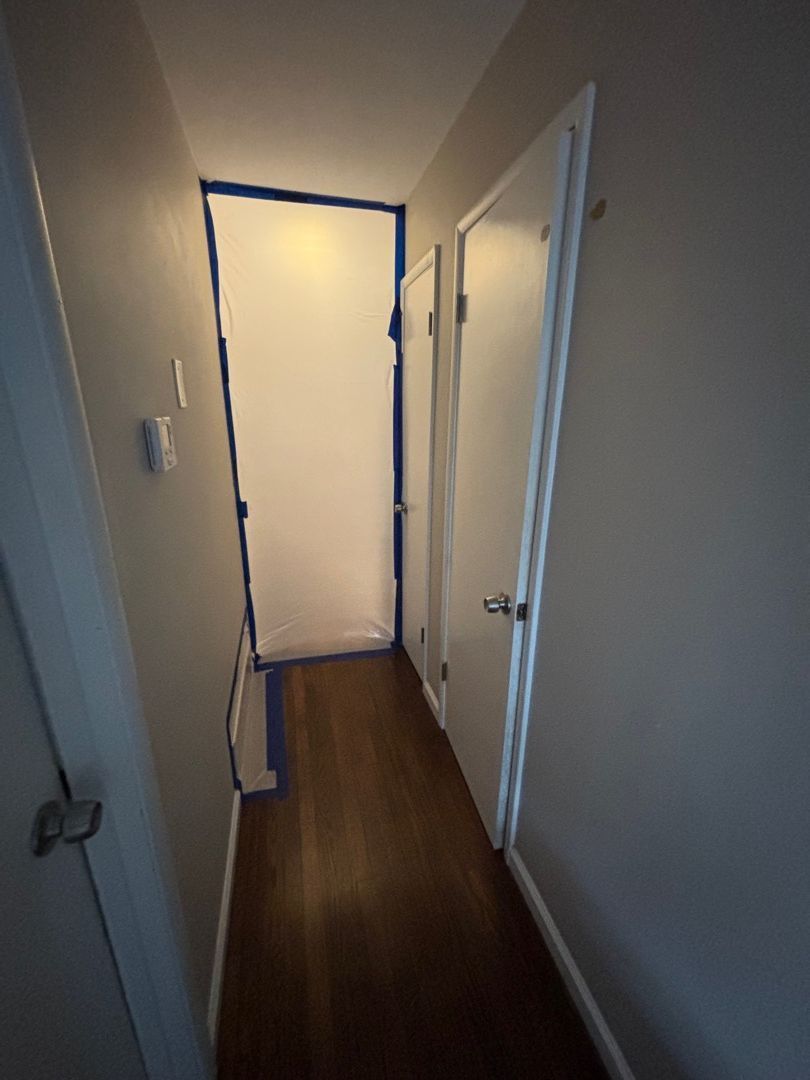
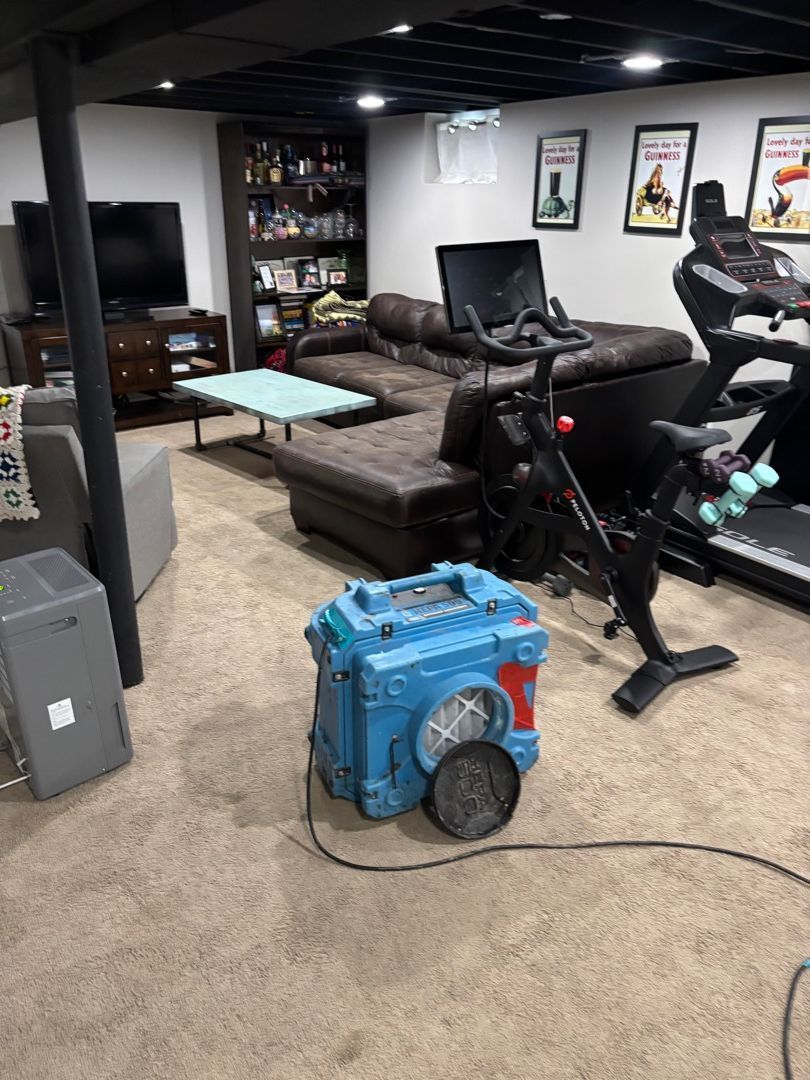
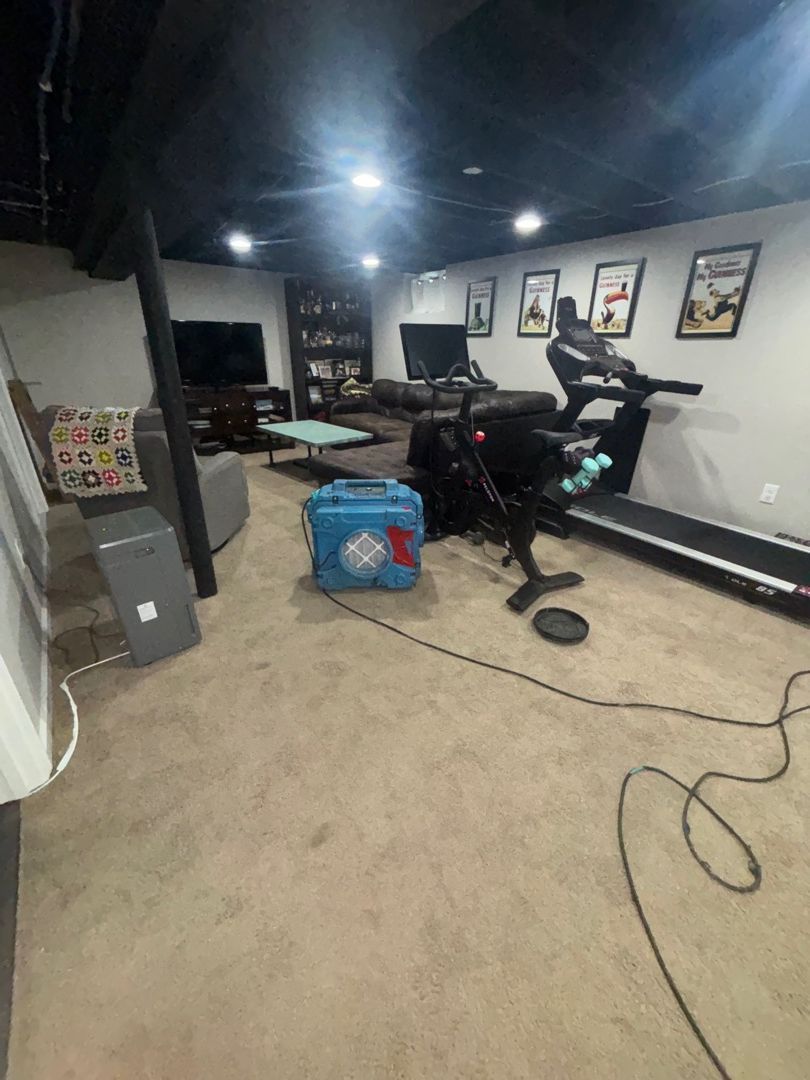
Before we touched anything, we set up proper containment barriers. This is a critical step that keeps mold spores from spreading to unaffected areas of the home during the removal process. We also brought in commercial air scrubbers and ran dehumidifiers to start controlling moisture levels and filtering the air. Following IICRC S520 standards for mold remediation, we made sure every precaution was in place to protect both the homeowner's property and our team.
If you've ever wondered why timing matters so much with mold, our blog on mold growth rates in St. Louis humidity explains how quickly these situations can escalate, especially in our local climate.
The Cleanup Process: Thorough from Start to Finish
With containment in place, our team got to work on the actual remediation. This particular job required a multi-step approach that included surface wipe downs, HEPA vacuuming, and fogging to address mold spores throughout the space.
Detailed Wipe Down and Surface Cleaning
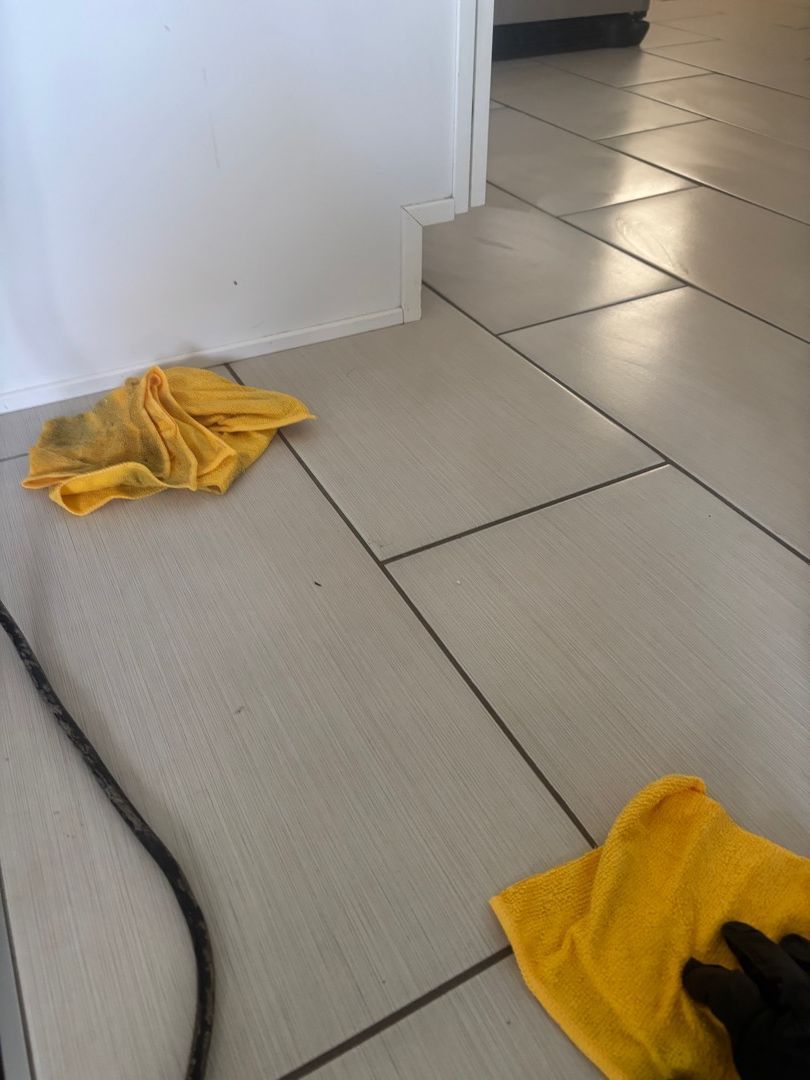
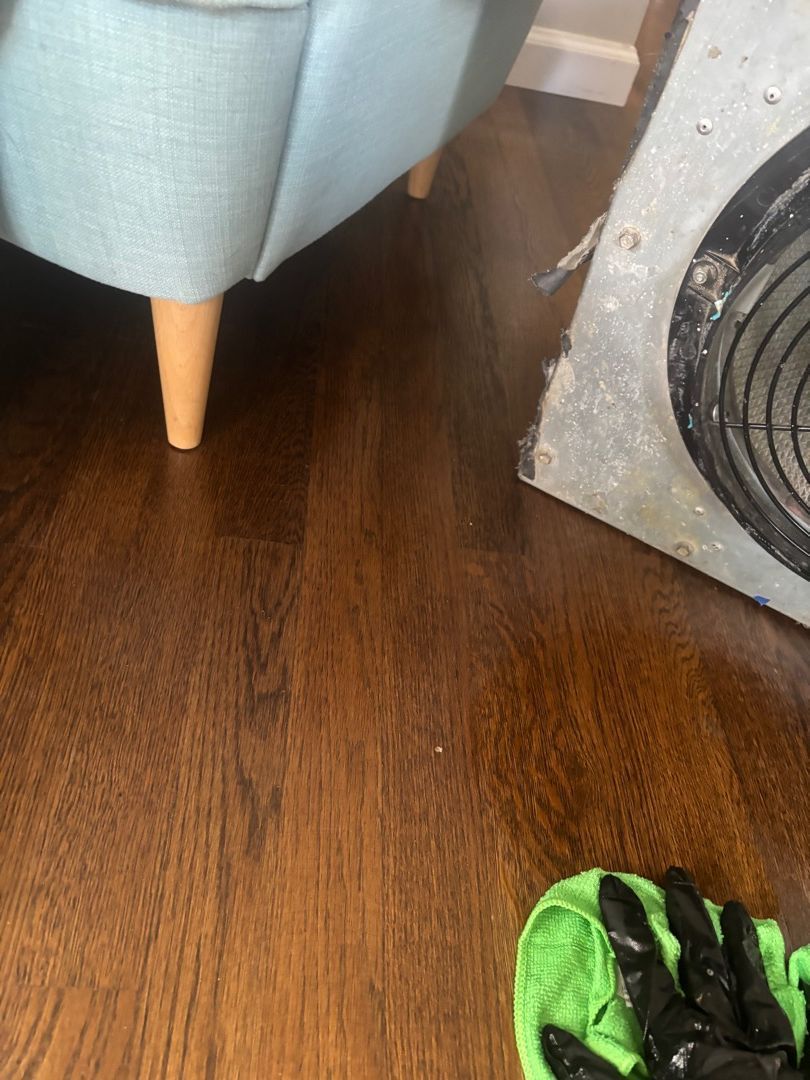
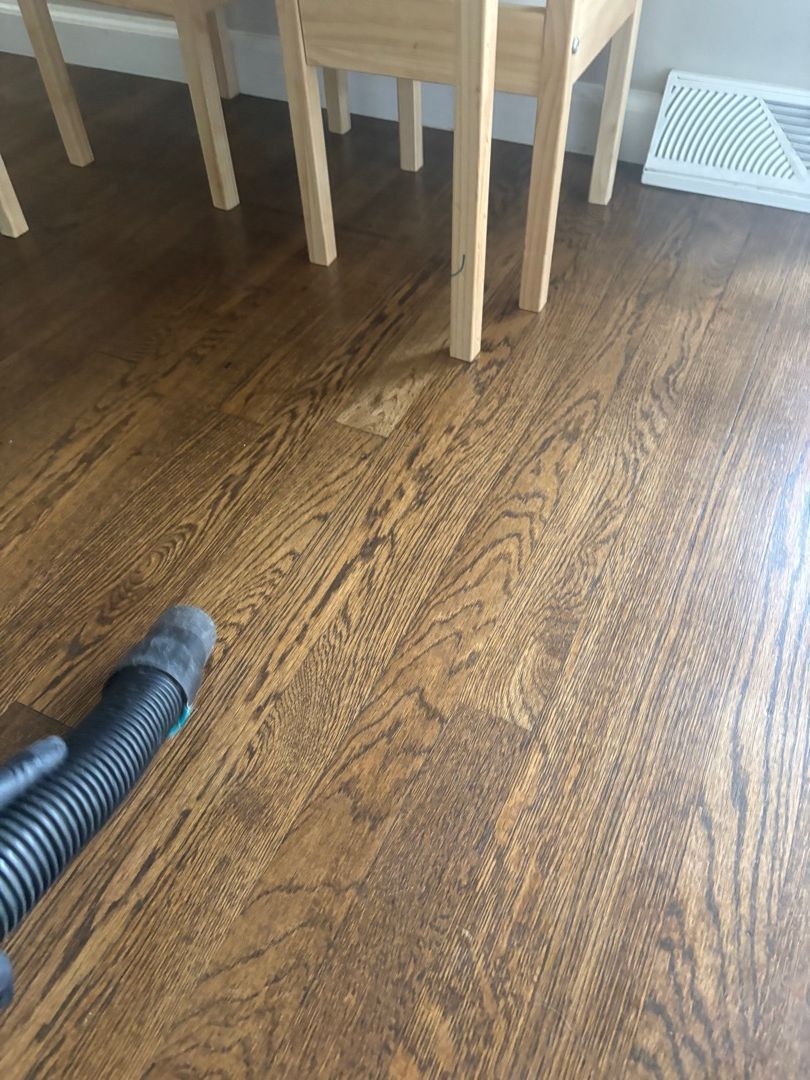
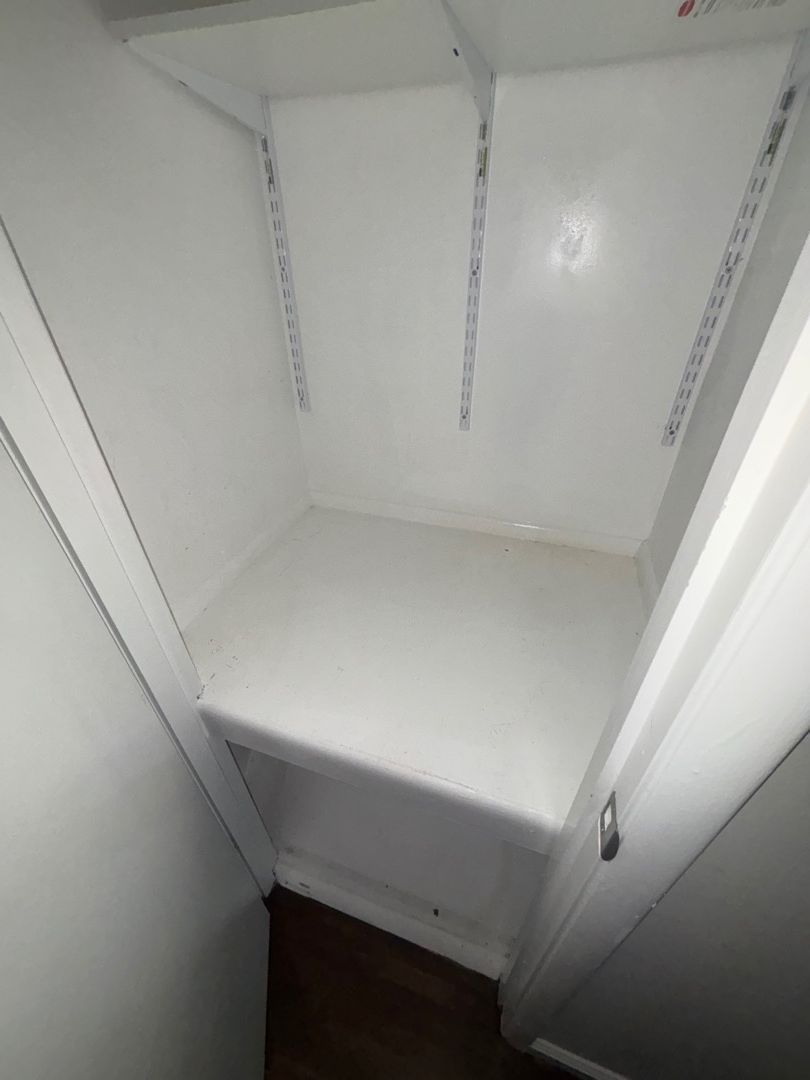
Every affected surface received careful attention. Our team wiped down walls, floors, and any other areas where mold or residue was present. We worked through the hallway, into the closet spaces, and across the tile and hardwood flooring in the basement. This hands-on cleaning is essential for physically removing mold growth and the residue it leaves behind.
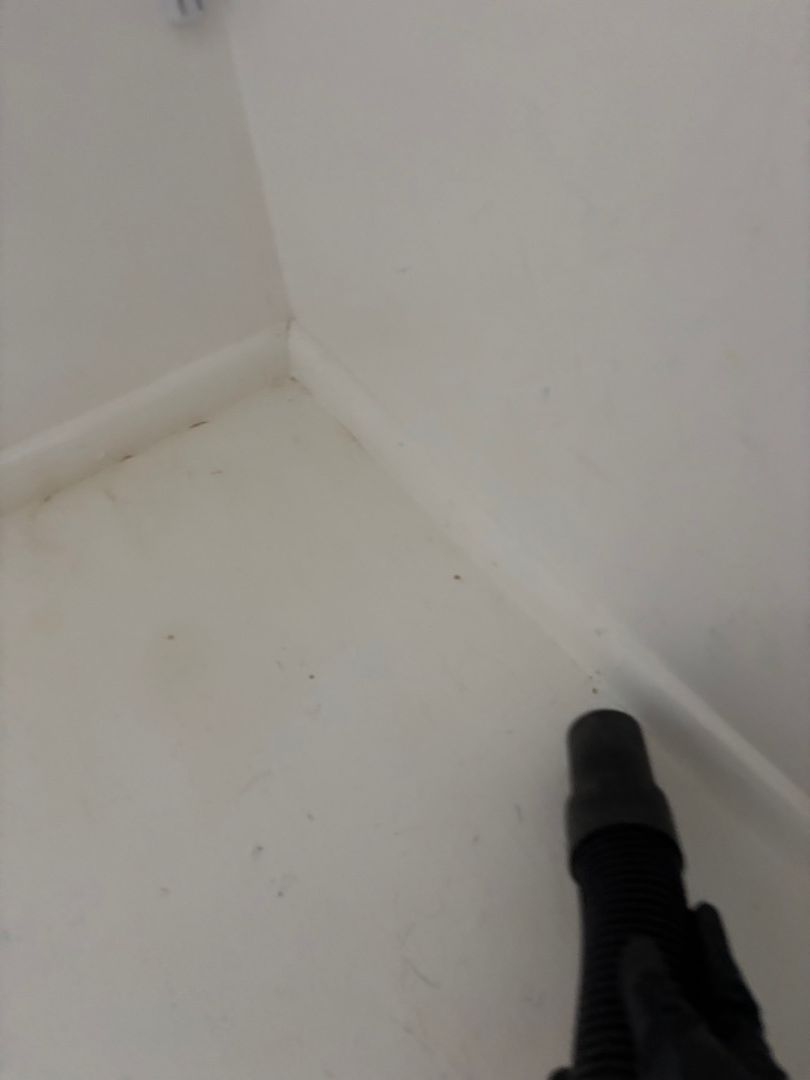
HEPA Vacuuming for Complete Spore Removal
After the wipe down, we brought in our HEPA vacuums. These specialized machines capture microscopic particles that regular vacuums simply cannot. We went over every surface, including the hardwood floors, closet corners, and all the nooks where spores like to settle. This step is crucial for making sure we're not just moving mold around but actually removing it from the home.
Fogging and Double Fogging Treatment
To ensure we addressed airborne spores and any remaining contamination in hard-to-reach areas, we performed fogging treatments. In fact, this job called for double fogging to provide an extra layer of protection. The fogging process disperses antimicrobial agents throughout the space, reaching areas that physical cleaning alone can't always access.
Drying and Air Quality Control
Throughout the remediation process, we kept industrial fans and dehumidifiers running to control moisture levels. This continued drying is important because mold needs moisture to survive. By bringing humidity levels down and maintaining proper airflow, we help ensure that mold doesn't have the conditions it needs to return. Our case study on basement mold remediation in Ballwin shows a similar approach we've used successfully on other local projects.
A Basement the Family Can Enjoy Again
By the time we wrapped up, the basement was clean, dry, and mold-free. The musty smell was gone, replaced by fresh air moving through the space. The homeowner told us they felt relieved knowing the problem had been handled properly and that their family could use the basement again without worry.
That's really what this work is about. Behind every mold remediation job is a family who just wants their home to feel safe and comfortable again. We take that responsibility seriously, which is why we follow industry best practices on every single project.
Concerned About Mold in Your Home?
If you've noticed musty odors, visible mold growth, or have had recent water issues in your St. Louis area home, don't wait to address it. At ABC Environmental Contracting Services, our veteran-owned team is available 24/7 to help you get answers and solutions.
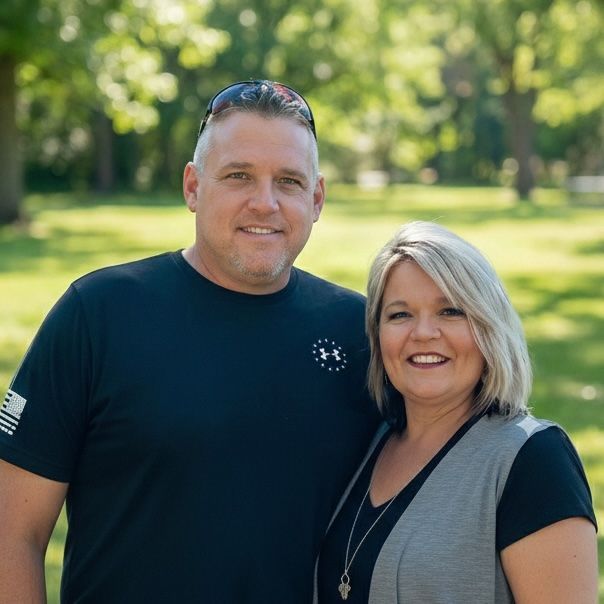
Dan and Tina Benton are the owners of ABC Environmental Contracting Services, a veteran-owned restoration company serving the St. Louis Metro East area. Together, they bring over two decades of expertise in water damage restoration, mold remediation, and asbestos removal for both residential and commercial properties. They're committed to serving their community with integrity and dedication, providing 24/7 emergency response when disaster strikes.