What Not to Do After Water Damage: Learn How to Avoid Costly Mistakes
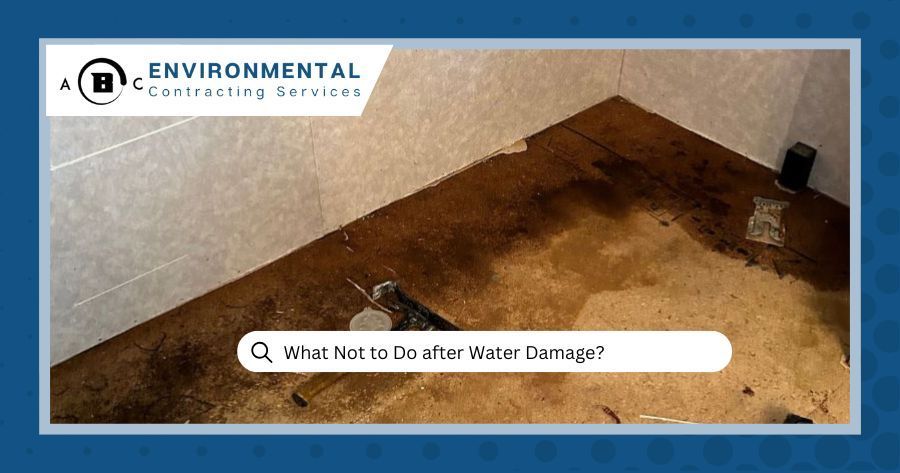
When water starts pouring inside your property from burst pipes, flooding, or a leaky appliance, knowing what not to do after water damage is just as important as the extent of the damage itself. In the middle of the chaos, it’s easy to make mistakes that can cause more harm than good. Some actions might make the damage worse, delay recovery, or even put your safety at risk.
At ABC Environmental Contracting Services, we’ve seen the consequences of poor decisions made after water damage. In this blog, we’ll explain what not to do and how to avoid adding to your stress and expenses of the Water Damage Restoration in St. Louis.
What Are the Biggest Mistakes Homeowners Make after Water Damage?
Here are some of the most common things homeowners do after water damage - mistakes that can cost you time, money, and your safety.
1. Using Electrical Appliances in the Area
Water and electricity are a dangerous mix. Using electrical appliances in a water-damaged space puts you at risk of electrical shock or even fire. So, always make sure to wait for a professional to inspect and clear the area before turning on any power.
2. Vacuuming Water with a Regular Vacuum
Your household vacuum cleaner is not designed to handle water. Using it can destroy the appliance and create a serious electrical hazard. Instead, wait for professionals who have the proper wet vacuums and water extraction equipment.
3. Ignoring the Damage or Assuming It Will Dry on Its Own
No matter how big or small, water always results in mold and structural damage if you ignore it long enough. Just because it looks dry doesn’t mean it is. Moisture can seep into drywall, insulation, flooring, and more, causing long-term damage to everything it touches.
4. Waiting Too Long to Act
Water is one of the most common causes of mold growth, and time is critical in these situations. Mold can begin growing in as little as 24 to 48 hours. The longer water sits, the more extensive the damage becomes, and waiting to contact a water damage restoration company can lead to higher repair costs and bigger problems later.
5. Fixing the Problem Without the Right Tools or Knowledge
Who wants to spend money on repairs if they can do it themselves? While this is true, it can’t really be applied to water damage disasters. While it might be tempting to take on the cleanup yourself, using the wrong techniques, you could miss hidden moisture that can lead to mold or compromise the structural integrity of your home.
How ABC Environmental Contracting Services Can Help
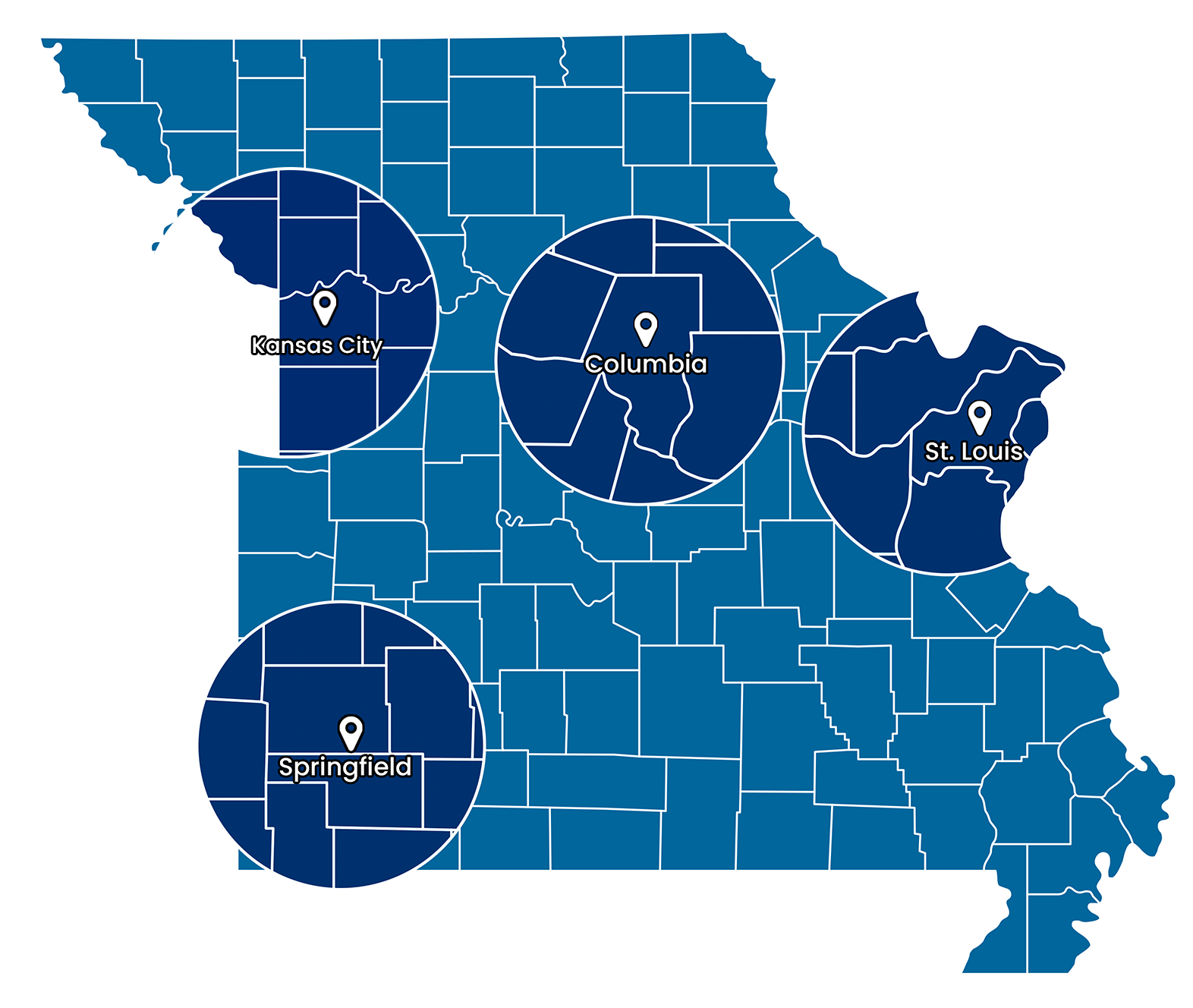
At ABC Environmental Contracting Services, we specialize in fast, safe, and effective water damage restoration for homeowners and businesses in St. Louis and surrounding areas. We understand how stressful a water damage event can be - and we’re here to take that weight off your shoulders. Here’s how we help:
- 24/7 Emergency Services: We respond quickly to stop further damage.
- Advanced Moisture Detection: We use professional tools to find and remove hidden moisture.
- Complete Drying and Dehumidification: Our industrial-grade fans and dehumidifiers reduce the water damage drying time and prevent mold.
- Safe Mold Remediation: If mold is present, we contain and safely remove it to protect your health.
- Thorough Restoration: We repair the damaged area so your home or business looks and feels like new.
- Insurance Help: We work directly with insurance companies to help you navigate your claim and make your restoration easier.
Know What Not to Do after Water Damage: Call Us Now for Safe, Professional Water Damage Restoration in St. Louis!
If you’re dealing with different causes of water damage in your home or business, don’t make mistakes that can lead to more problems. Let the experts at ABC Environmental Contracting Services handle it the right way, right away. Call us now at (314) 668-1509 to speak with our team and get help fast, or send us a message through this online form. Let us take care of your home and prevent bigger disasters!
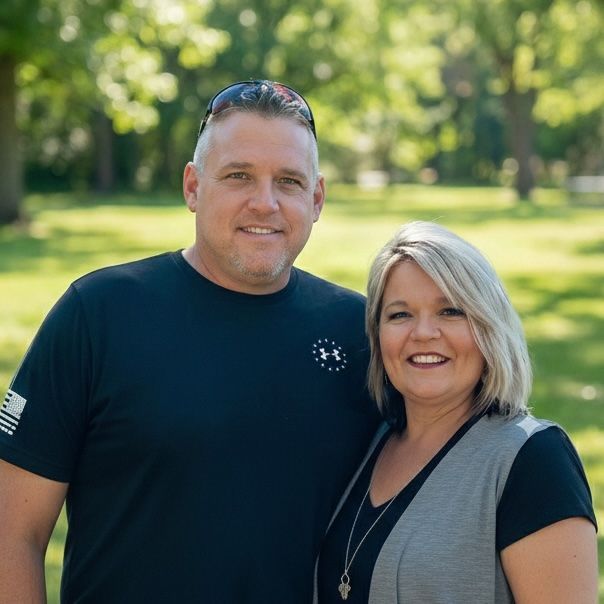
Dan and Tina Benton are the owners of ABC Environmental Contracting Services, a veteran-owned restoration company serving the St. Louis Metro East area. Together, they bring over two decades of expertise in water damage restoration, mold remediation, and asbestos removal for both residential and commercial properties. They're committed to serving their community with integrity and dedication, providing 24/7 emergency response when disaster strikes.