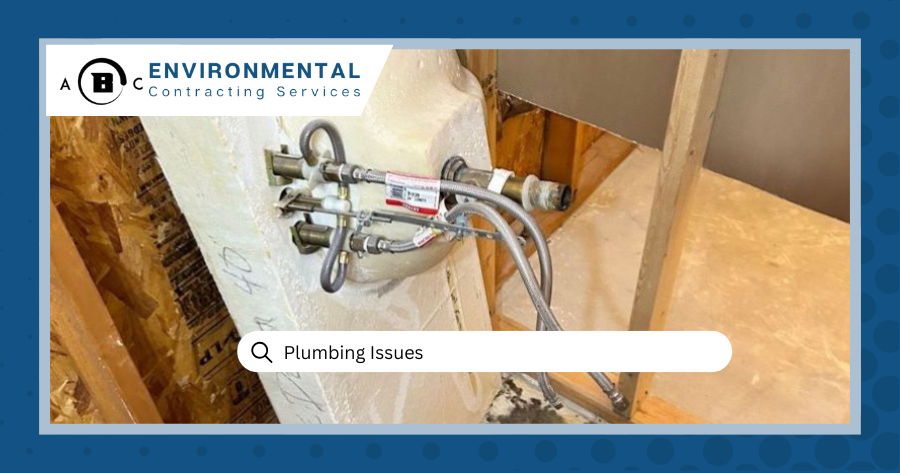
Plumbing Issues You Should Never Ignore in Your Home
When it comes to household water damage, few things are more frustrating or more common than plumbing issues. A small leak can quickly escalate into a serious St Louis water damage problem, leading to costly repairs and long-term damage if not caught in time. Plumbing mishaps, from leaking pipes to overflowing toilets, can wreak havoc on your home.
Let's break down the most common plumbing problems, how to spot them early, and what you can do to keep your home safe.
Types of Plumbing Issues That Lead to Water Damage
When plumbing systems fail, they often do so quietly, until the damage is already done. Below are the most common plumbing issues that can lead to costly water damage in your home.
Leaking Pipes
This is one of the most frequent culprits behind water damage. Leaking pipes may start small, but they can rot wood over time, damage insulation, and even affect your home's foundation. Leaks often go unnoticed behind walls or under sinks, especially if you're dealing with water damage from plumbing leaks under the sink.
Burst Pipes
A burst pipe is a homeowner's nightmare. It usually happens when pressure builds up due to a clog or freeze, causing the pipe to rupture. It's a serious situation that needs immediate attention.
Damaged or Corroded Pipes
Older homes, especially those with galvanized steel piping, are at risk for corrosion. Damaged pipes can crack or collapse over time, resulting in slow leaks or full-on breaks.
Frozen Pipes
Frozen pipes are a real threat in the winter. When water freezes inside the pipe, it expands and can cause the pipe to burst. Proper insulation and letting faucets drip during a freeze can help prevent this.
Kitchen Sink Leaks
Kitchen sinks take a lot of wear and tear. A loose-fitting or worn-out seal under the sink can easily turn into a steady drip, eventually causing damage to your cabinetry and flooring.
Toilet Overflow or Leak
Whether it’s a clog or a faulty valve, dealing with a toilet overflow situation can quickly turn messy. Even small leaks at the base or tank can cause water to pool, promoting mold growth and floor damage.
Bathroom Sink Leak
Just like the kitchen, bathroom sink leaks often stem from loose fittings or damaged supply lines. Left unchecked, it can contribute to hidden damage behind vanities or inside walls.
Bathtub and Shower Leaks
Over time, the caulk and grout in your shower or tub area can crack, letting water seep into the surrounding areas. Want to know how to spot and deal with water under your bathtub? Look for loose tiles, moldy smells, or soft spots on the floor.
Warning Signs of Plumbing Problems
One common question we get is: "What are the early signs of plumbing issues before water damage occurs?"
Here are a few red flags to keep an eye on:
- Low water pressure: Could indicate a leak or blockage in the line.
- Unusual noises: Banging, gurgling, or whistling sounds may suggest air in the pipes or a developing issue.
- Discoloration on ceilings or walls: A major clue that you might have hidden water damage.
- Sudden spike in water bills: Could mean water is escaping somewhere you can't see.
- Musty or moldy odors: A sign of moisture buildup from an undetected leak.
Want to catch trouble before it spreads? Learning to recognize early signs of hidden water damage can make all the difference.
Prevention and Maintenance Tips
Stopping water damage before it starts is always the goal. Here are some ways to prevent plumbing-related water damage:
- Inspect pipes regularly: Look under sinks, behind toilets, and near appliances for signs of leaks or corrosion.
- Replace worn-out hoses: Especially on appliances like dishwashers and washing machines.
- Insulate pipes: To prevent freezing in the winter months.
- Flush drains with hot water: This can help clear minor clogs and keep things flowing.
- Know where your shut-off valve is: In a broken supply line disaster, cutting the water quickly can save thousands in damages.
Routine maintenance goes a long way. And when in doubt, always call a professional before a minor drip becomes a major disaster.
How ABC Environmental Contracting Services Can Help
If you're dealing with water damage from plumbing issues in the St. Louis area, our team at ABC Environmental Contracting Services is here to help. Whether it's a broken pipe, toilet overflow, or mystery moisture spot, we’ve seen it all.
We specialize in fast-response water damage restoration. From identifying the source of the leak to drying out and restoring affected areas, we're committed to getting your home back to normal quickly and professionally.
If you've experienced a plumbing mishap, whether it's a simple sink drip or a broken supply line disaster, don’t wait. The longer you delay, the more damage you risk.
Restore Your Home After a Plumbing Disaster - Contact Us
Don’t let a minor plumbing issue turn into a major headache. Contact ABC Environmental Contracting Services at (314) 668-1509 or
fill out our online form for expert water damage restoration services in St. Louis. We're here 24/7 to help homeowners control water damage quickly and for good.
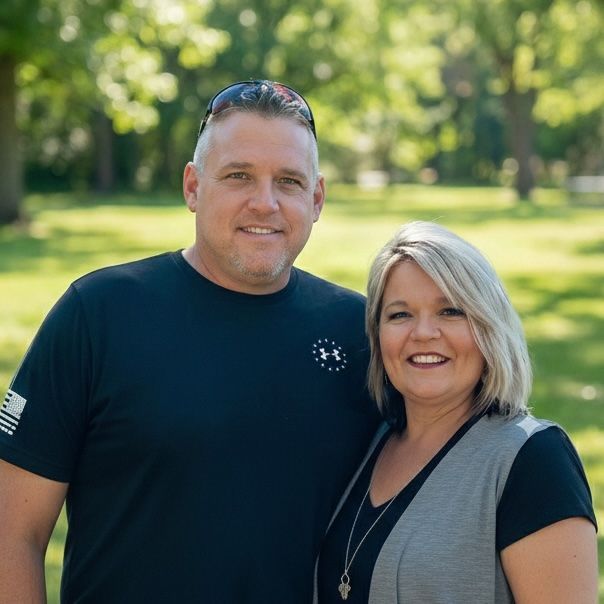
Dan and Tina Benton are the owners of ABC Environmental Contracting Services, a veteran-owned restoration company serving the St. Louis Metro East area. Together, they bring over two decades of expertise in water damage restoration, mold remediation, and asbestos removal for both residential and commercial properties. They're committed to serving their community with integrity and dedication, providing 24/7 emergency response when disaster strikes.