What to Do if You Find Water Damage Under Sink
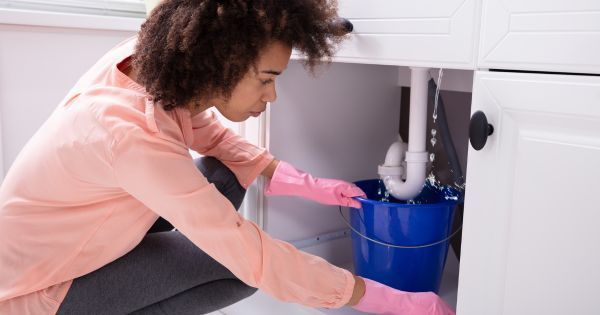
If you're dealing with water damage under your sink, you're not alone. In St. Louis, water damage restoration is a common issue many homeowners face. Whether it's a slow leak or visible moisture, tackling the problem quickly is important to prevent further damage to your home. We’ll walk you through the signs, causes, and solutions for water damage under the sink. Plus, if you need a company for water damage restoration St Louis, we’ve got you covered.
Signs of Water Damage Under Sinks
Noticing water damage under sinks is important to stop more problems in your home. Sometimes, signs of water damage aren't obvious right away but can show there's a hidden issue that needs fixing. From dampness to color changes, these signs can tell you if there might be leaks or problems with how water drains away. Knowing about these signs can help you act fast to sort out the problem before it gets worse and causes big damage to your home.
- Dampness or Pooling Water: If you see water collecting around the base of the sink cabinet, it can indicate a leak or drainage problem.
- Musty Odors: A musty smell coming from the cabinet or surrounding area may suggest the presence of mold or mildew, often caused by long moisture exposure.
- Warped or Discolored Materials: Warping or discoloration of cabinet materials can signal water damage since prolonged exposure to moisture can cause them to swell or change color.
- Mold or Mildew Growth: The presence of mold or mildew on the walls or floor near the sink indicates too much moisture, which can lead to further damage if not tackled quickly.
Root Causes of Water Damage Under the Sink
Understanding why water damage happens under the sink is key to sorting it out in the right way. Leaky pipes, condensation, issues with how water drains away, and sealant not working are the main reasons for this damage. Each of these causes brings its problems and needs different fixes to stop them from happening again.
- Pipe Leaks: Corroded or broken pipes can leak, causing water to accumulate under the sink.
- Condensation: Temperature changes can cause condensation to form on pipes, creating moisture buildup.
- Problematic Drainage: Clogs or slow drainage can result in water backing up and causing damage.
- Sealant Failure: Improperly sealed connections or worn-out caulking can allow water to seep into the cabinet.
Why Is My Kitchen Sink Leaking?
Kitchen sink leaks can occur due to different reasons, including:
- Loose Connections or Fittings: If the pipes or fittings under your sink aren't tightly secured, water can seep out around them, causing leaks.
- Cracks or Damage: Cracks or damage to the sink basin or pipes can also lead to leaks. Over time, wear and tear can weaken these components, making them more prone to leaking.
- High Water Pressure: If the water pressure in your plumbing system is too high, it can put stress on the pipes and fittings, causing them to leak.
- Wear and Tear: As your sink and plumbing system age, the materials wear out, leading to leaks if ignored.
What if There’s Moisture Under Sink But Not Leak?
If you notice moisture under the sink but no visible leak, it could indicate:
- Condensation Buildup: Moisture could be forming from temperature differences, causing condensation to accumulate under the sink.
- Slow, Unnoticed Leaks: There might be small leaks from pipe joints or connections that haven't been noticed yet, slowly allowing water to accumulate.
- Previous Water Damage: It's possible that there was water damage before that wasn't properly fixed, leading to lingering moisture under the sink.
How to Handle Water Under the Kitchen Sink
Discovering water under kitchen sink can be concerning, but knowing how to deal with it can save you from further trouble. Taking fast action is key, and there are specific steps you can follow to tackle the issue with success. From pinpointing the source of the water to ensuring thorough cleaning and inspection, each step plays a vital role in tackling the problem and preventing future damage.
Here are the steps you should take:
- Identify the Source of the Water: Start by locating where the water is coming from. This could be a leaky pipe, a faulty connection, or another issue with the plumbing.
- Clean and Dry the Affected Area: Once you've stopped the source of the water, thoroughly clean and dry the area under the sink. Use towels or a wet-dry vacuum to remove excess moisture.
- Inspect Surrounding Materials: Check the surrounding cabinets, walls, and flooring for any signs of damage. Look for warping, discoloration, or mold growth that may indicate water damage.
- Consider Preventative Measures: To prevent future water damage, consider installing drip trays or moisture sensors under the sink. These can help detect leaks early and minimize the risk of further damage.
- Regular Maintenance Checks: Make it a habit to inspect the area under the kitchen sink regularly for any signs of water accumulation or damage. Catching issues early can save you from costly repairs later on.
You might also be interested in learning about:
- Preventing Water Damage Beneath Your Bathtub
- Is It Better To Repair Or Replace Drywall Water Damage?
- Effective Tips for Minimizing Water Damage to Wood Floors
Contact ABC Environmental Contracting Services in St. Louis Today
If you're in St. Louis and need water damage restoration services, don't hesitate to seek professional help to minimize further damage and ensure the safety of your home. Look no further than
ABC Environmental Contracting Services in St. Louis! Our professionals with over 10 years of experience are ready to handle your water damage concerns. Reach out to us by calling 314-833-8642 or by filling out the
contact form on our website.
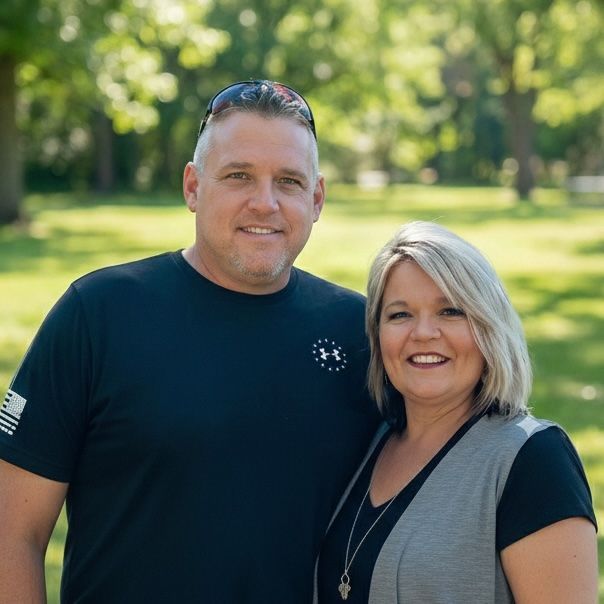
Dan and Tina Benton are the owners of ABC Environmental Contracting Services, a veteran-owned restoration company serving the St. Louis Metro East area. Together, they bring over two decades of expertise in water damage restoration, mold remediation, and asbestos removal for both residential and commercial properties. They're committed to serving their community with integrity and dedication, providing 24/7 emergency response when disaster strikes.