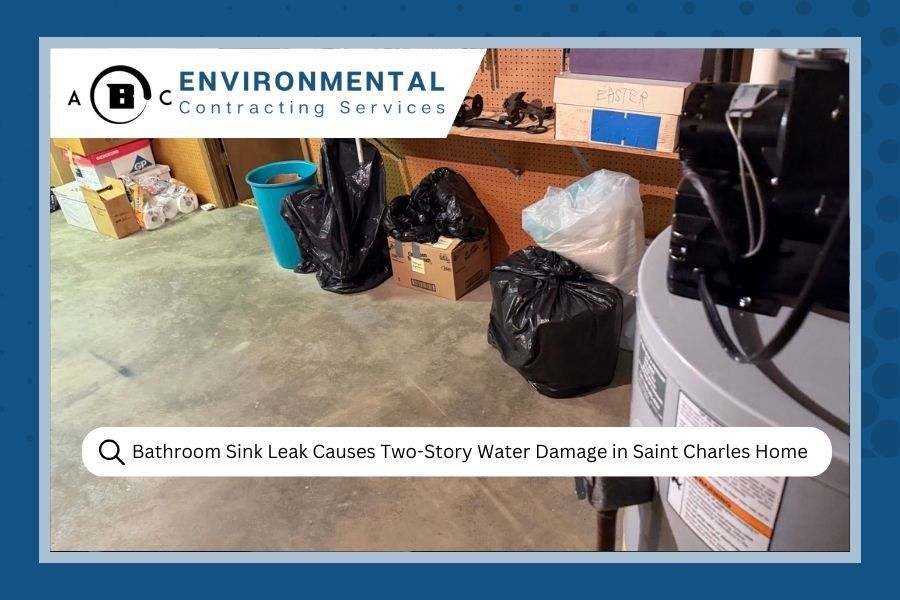
Bathroom Sink Leak Causes Two-Story Water Damage in Saint Charles Home
A loose P-trap under a bathroom sink. That's all it took. What started as a small plumbing issue in an upstairs bathroom quietly sent water down through the floor and into the finished basement of a Saint Charles, MO home. By the time the homeowner noticed, moisture had already spread into flooring, wall materials, and trim on both levels. Our water damage restoration team at ABC Environmental Contracting Services was dispatched as soon as the claim came in, and we got to work right away.
Assessing the Water Damage Across Two Levels
When our technicians arrived at the property, the first order of business was a full site inspection. Water damage that spans multiple floors can be tricky because moisture doesn't always follow a predictable path. It travels along framing, seeps into wall cavities, and pools in places you wouldn't expect. We needed to map every affected area before placing a single piece of drying equipment.
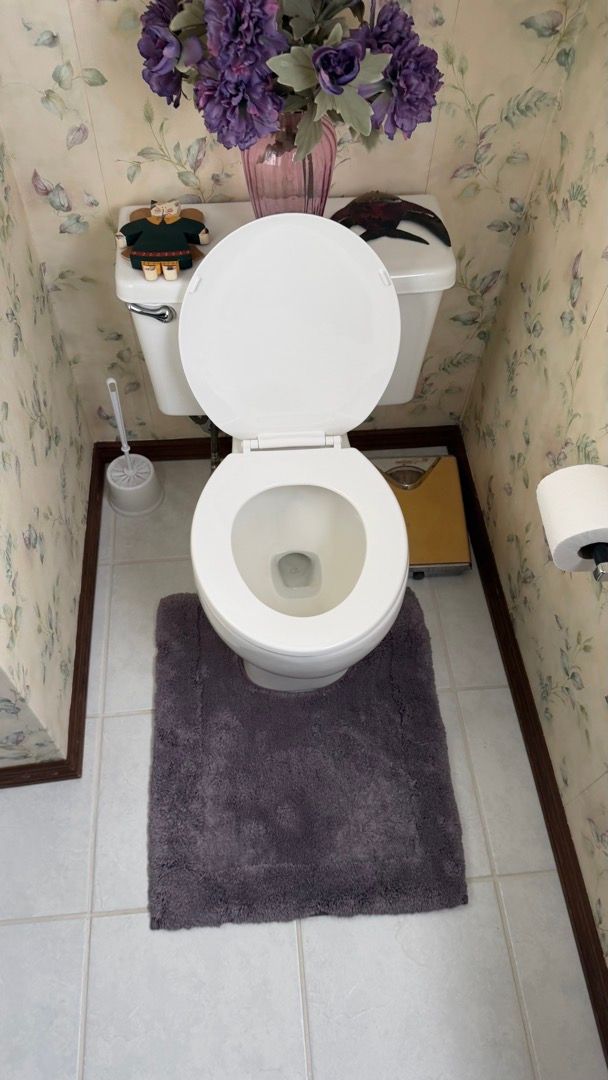
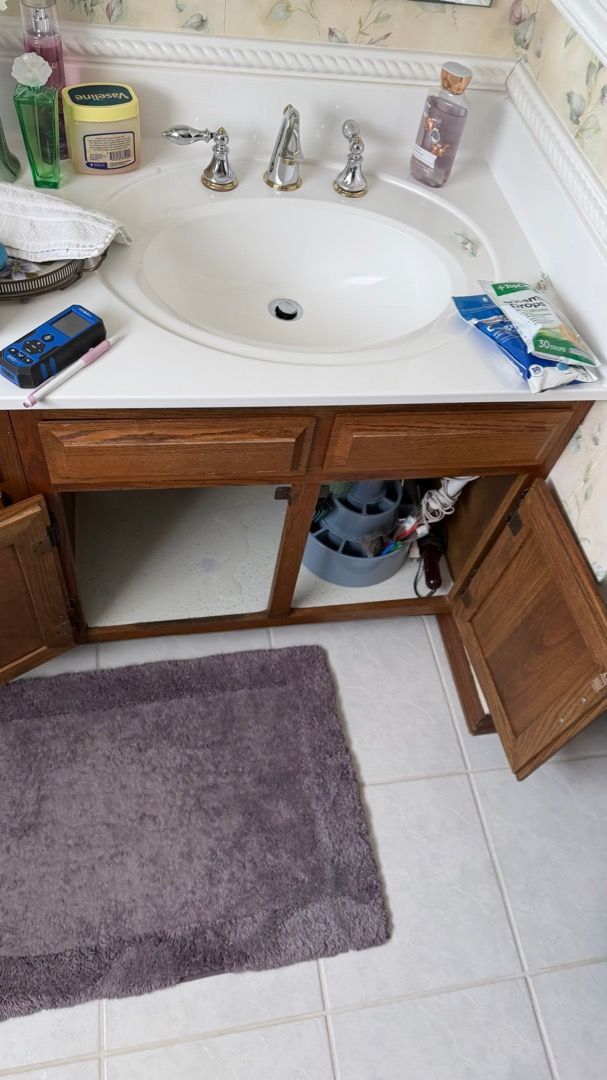
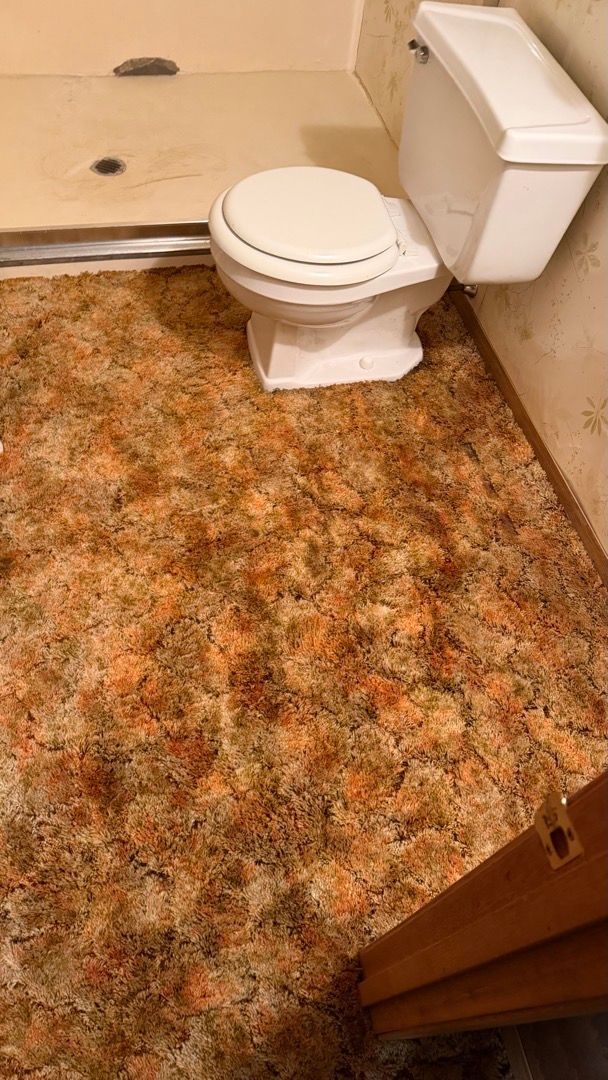
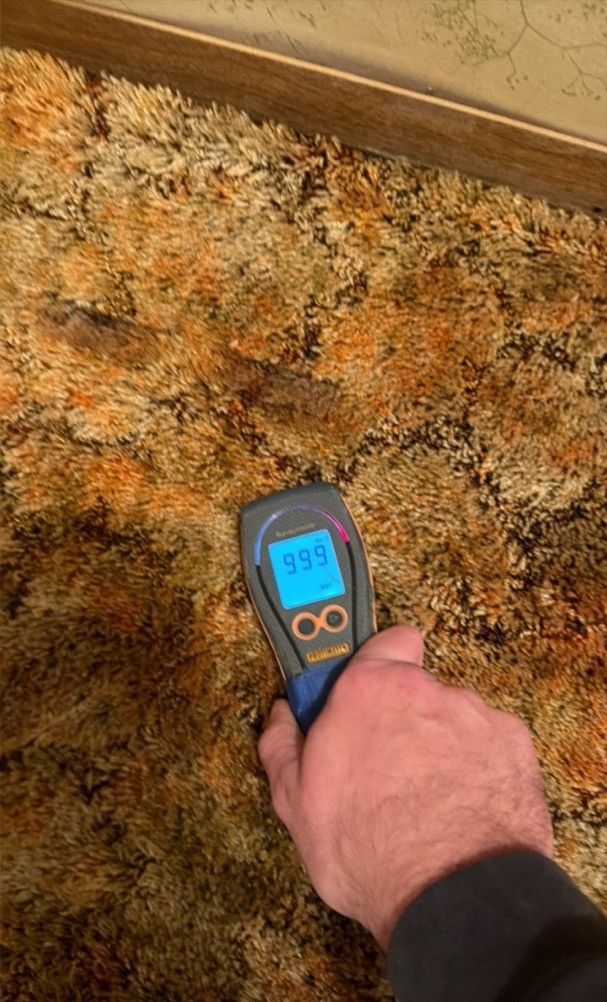
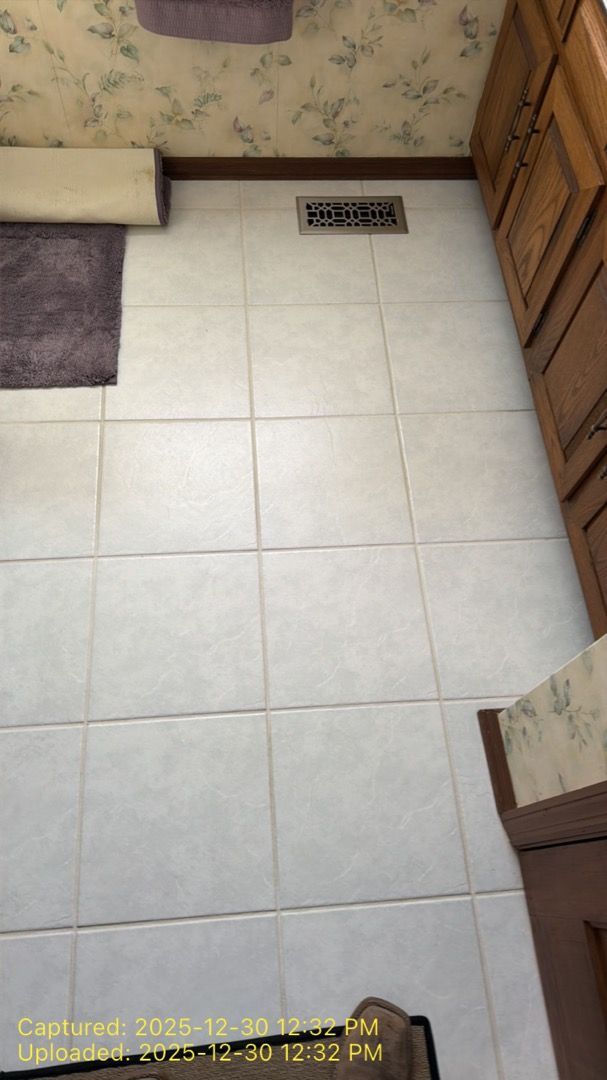
Upstairs, the bathroom showed signs of water migration around the ceramic tile flooring. The cabinet area beneath the sink was visibly wet, and moisture readings confirmed the damage extended beyond what the eye could see. Downstairs was a different story. The basement had more noticeable saturation in the finished wall paneling, trim, and carpet, similar to what we documented in a recent burst pipe basement restoration in St. Louis. Some of those materials had clearly been holding moisture longer than the upstairs areas.
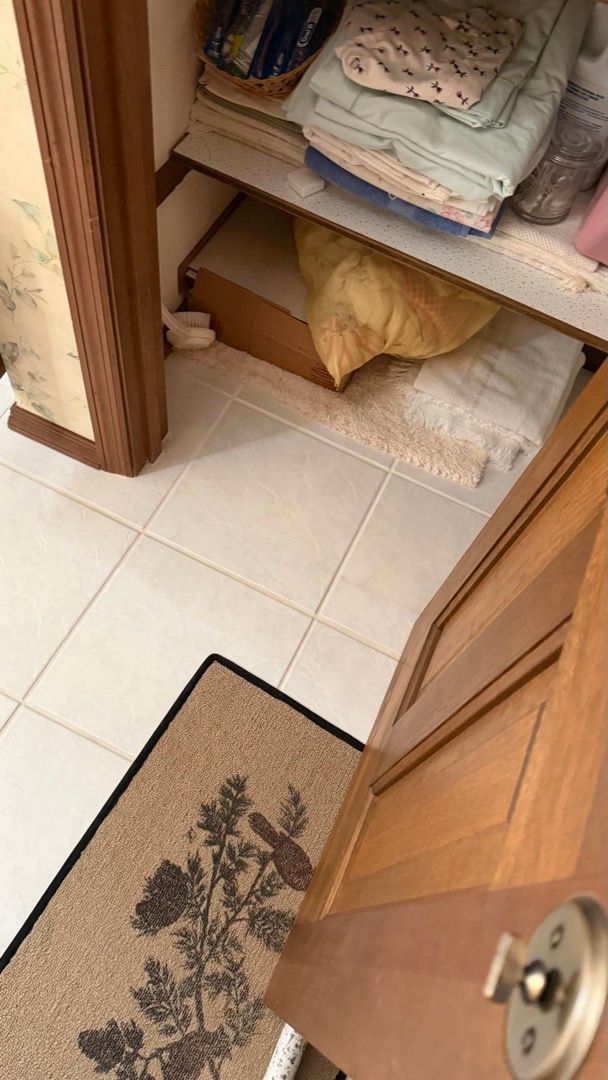
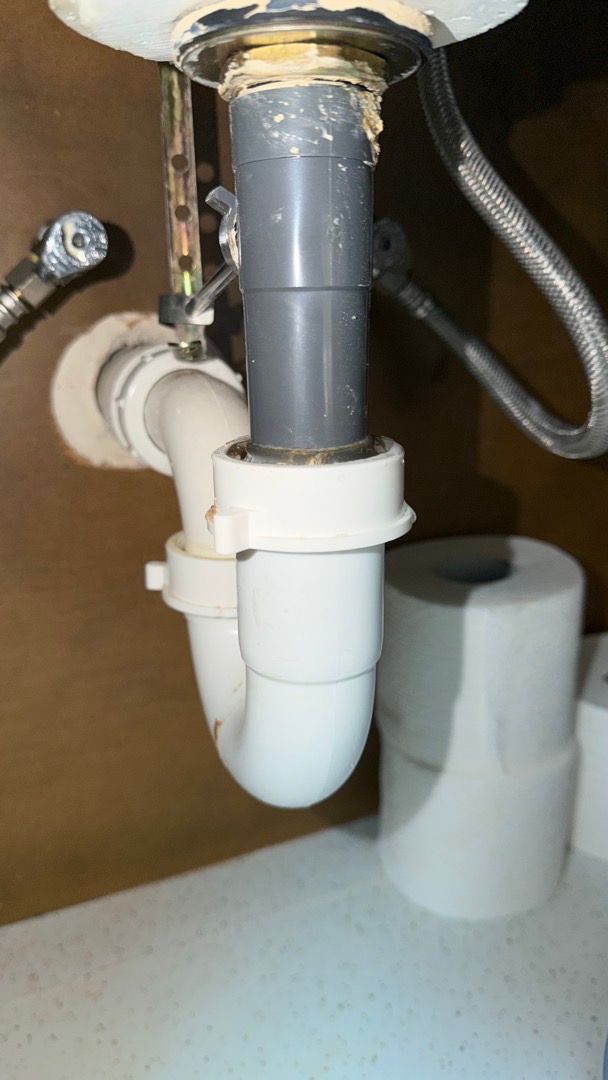
Finding the Source: A Loose P-Trap Under the Bathroom Sink
It doesn't take a catastrophic event to cause serious water damage. Sometimes it's the smallest, most overlooked things. In this case, the culprit was a loose P-trap connection under the bathroom sink. Every time the sink was used, a small amount of water escaped the drain line. Over days, that slow drip added up, saturating the subfloor and eventually working its way down to the basement below.
This is one of those situations that catches a lot of homeowners off guard. You don't always hear a drip or see a puddle. The water finds paths behind walls and under floors where it stays hidden until the damage becomes obvious. That's why quick moisture mapping is so critical. According to the IICRC S500 standard for water damage restoration, thorough moisture assessment before starting any mitigation work is essential for determining the proper drying plan.
Strategic Drying to Save Materials and Prevent Mold
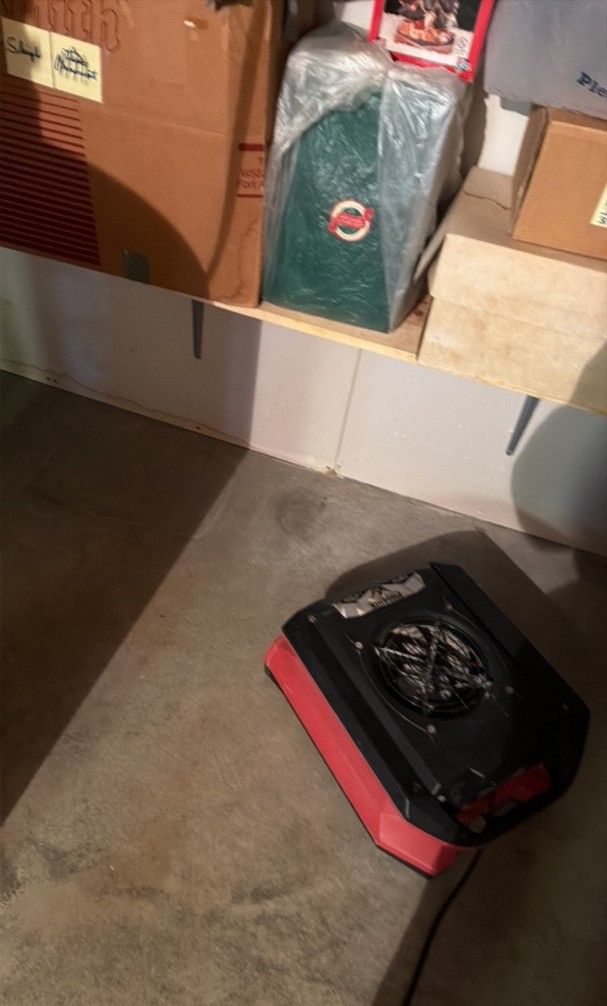
Our approach was focused on preserving as much of the existing material as possible. Nobody wants to hear that their finished basement needs to be torn apart, and in many cases, controlled drying can save homeowners from unnecessary demolition. We placed air movers and dehumidifiers strategically throughout the affected areas, targeting the wettest materials first and adjusting placement as conditions changed.
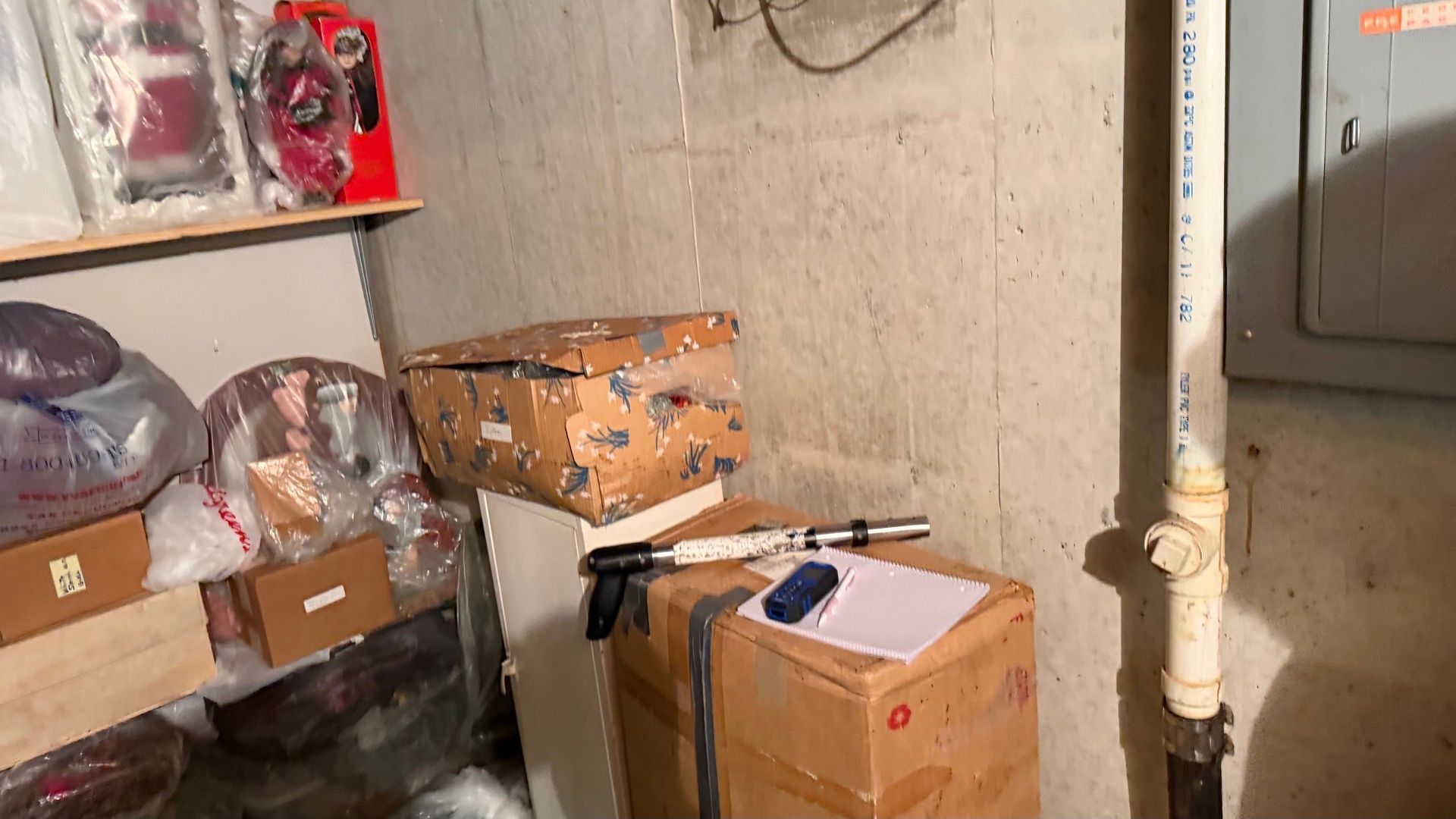
One small section in a basement storage closet just wouldn't cooperate. Despite our best drying efforts, a patch of drywall (less than one square foot) stayed saturated. Rather than risk secondary damage, we carefully removed that section to allow airflow behind the wall cavity. Moisture readings confirmed the framing behind it was in good shape. That small, targeted removal was all it took.
Here in the St. Louis metro area, humidity is always a factor. We've written before about how quickly mold can develop in St. Louis humidity, and water damage left untreated, even for a couple of days, can quickly turn into a mold remediation situation. The EPA recommends addressing water damage and drying affected areas within 24 to 48 hours to help prevent mold growth, which is why our team treats every water loss with urgency.
Monitoring, Adjusting, and Getting It Right
Drying isn't a "set it and forget it" process. Over the following days, our team returned to the property to take moisture readings, check humidity levels, and reposition equipment as needed. The ceramic tile upstairs required special attention since tile floors can trap moisture underneath without showing visible signs on the surface. Through consistent monitoring and targeted airflow, we were able to dry it successfully in place.
Once every affected area returned to acceptable moisture levels, we removed the drying equipment and the mitigation phase was complete. The home was fully stabilized, dried, and ready for the next stage of restoration work. Most importantly, the vast majority of the original building materials were saved, which is always the goal when the damage allows for it.
Key Takeaways for Saint Charles Homeowners
- Check under your sinks regularly. Loose fittings, slow drips, and worn connections can cause major damage before you even notice.
- Don't wait to call for help. The longer water sits, the harder it is to save materials and the greater the risk of mold.
- Professional drying saves money. Controlled drying techniques can often preserve materials that would otherwise need to be ripped out and replaced.
- Multi-story damage needs careful inspection. Water travels, and what you see on the surface rarely tells the full story. If your basement has a history of moisture issues, it's worth understanding the difference between basement waterproofing and water damage repair.
Water Damage in Your Home? We're Here to Help.
ABC Environmental Contracting Services is a veteran-owned restoration company serving Saint Charles, St. Louis, and the surrounding metro area. Our team is available 24/7 for emergency water damage response.
Contact Our TeamAvailable 24/7 for Emergency Response
Dan and Tina Benton are the owners of ABC Environmental Contracting Services, a veteran-owned restoration company serving the St. Louis Metro East area. Together, they bring over two decades of expertise in water damage restoration, mold remediation, and asbestos removal for both residential and commercial properties. They're committed to serving their community with integrity and dedication, providing 24/7 emergency response when disaster strikes.