What You Need To Know About Water Extraction vs. Water Mitigation
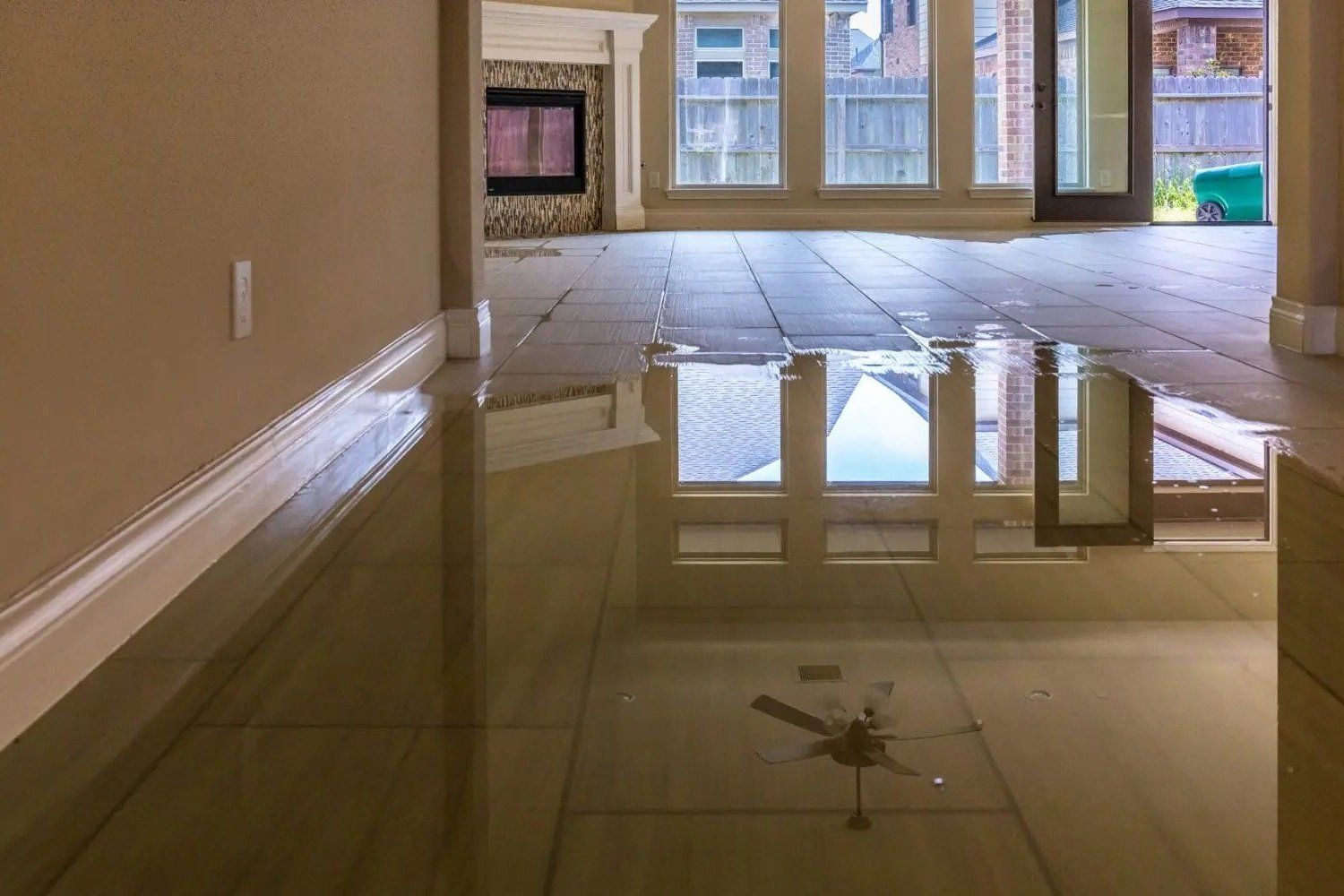
When flooding hits your home, you may find yourself in need of water extraction or water mitigation. Whether it’s caused by storms or leaky pipes, standing water in your home or business can quickly become a big issue. The longer the water is allowed to sit, the greater the risk there is for permanent structural damage and eventual mold growth. The best thing to do is hire St. Louis water damage restoration company that can remove the water using professional equipment like industrial fans, vacuums, and submersible pumps. Using a company that employs water extraction along with water mitigation can ensure that water damage can be reduced in your building. In order to make sure your home or business can be returned to the state it was in before, quick action is important.
What is Water Extraction?
Water extraction is the process of removing all the standing water and moisture from a flooded area of a building. Not only is this necessary to begin the drying process and prevent structural damage, it can also prevent the growth of mold that can lead to toxic spores in the air. There are a few steps that make up the water extraction process to make sure the job is done effectively as possible.
- All standing water is removed from the area using industrial vacuums and submersible pumps.
- Moisture detectors and hydrometers are used to measure just how high the moisture saturation is.
- Infrared cameras may be used to detect hidden water in walls and ceilings.
All these precautions are to make sure absolutely no water is left behind. This includes the water that may have seeped into the cracks of a building. After everything is completely dry, you can move on to the water mitigation process.
What is Water Mitigation?
Water mitigation is essentially the cleanup process after water extraction has taken place. It involves the mitigation of further damage to the building by cleaning, drying, and sanitizing the parts of the building that were affected by water damage. The point of water mitigation is to take quick and effective action This part of the process can include steps such as:
- Removing debris from the area
- Removing damaged material such as furniture and drywall
- Protecting and stabilizing the building by laying down tarps and boarding up windows
- Cleaning and disinfecting salvageable items, household materials, and surfaces
- Completely drying the home with professional equipment
All these steps are to ensure that the water damage to a building is mitigated. It’s an important step in making sure your building is able to be returned to its former state.
Read About - Who To Call For Emergency Water Damage Cleanup?
Hire a Professional Water Extraction Company
Hiring a company that does water extraction and mater mitigation is the best way to make sure your home or business is completely taken care of whenever flooding occurs.
ABC Environmental Contracting Services is a water damage restoration company that provides 24 hour services so you can get instant help whenever you need it. You can learn more about our water mitigation service by
contacting ABC Environmental Contracting Services at 314-582-3231
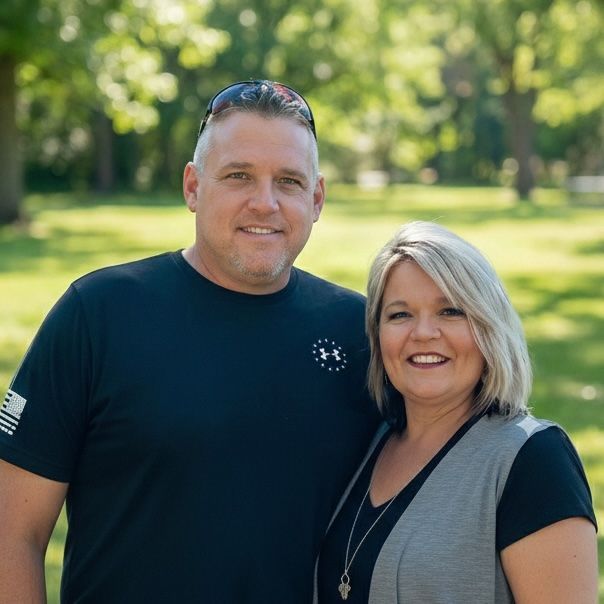
Dan and Tina Benton are the owners of ABC Environmental Contracting Services, a veteran-owned restoration company serving the St. Louis Metro East area. Together, they bring over two decades of expertise in water damage restoration, mold remediation, and asbestos removal for both residential and commercial properties. They're committed to serving their community with integrity and dedication, providing 24/7 emergency response when disaster strikes.