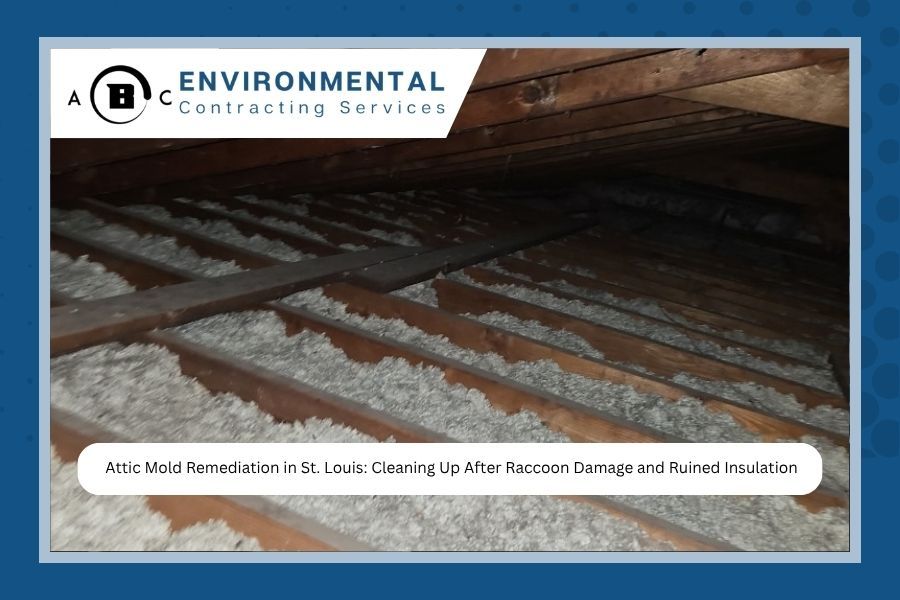
Attic Mold Remediation in St. Louis: Cleaning Up After Raccoon Damage and Ruined Insulation
Some jobs start with a leak, but this one started with raccoons. A St. Louis homeowner called our team at ABC Environmental Contracting Services, and by the time we got there the raccoons were long gone. A wildlife company had trapped them. But they left a mess behind that called for real attic mold remediation.
The signs were everywhere. Torn insulation. Droppings across the attic floor. And the first fuzz of mold, right where the moisture and waste had settled.
Worse, the homeowner and their daughters had started coughing at home. Some days they could barely breathe. That is where our story picks up.
What the Raccoons Left Behind
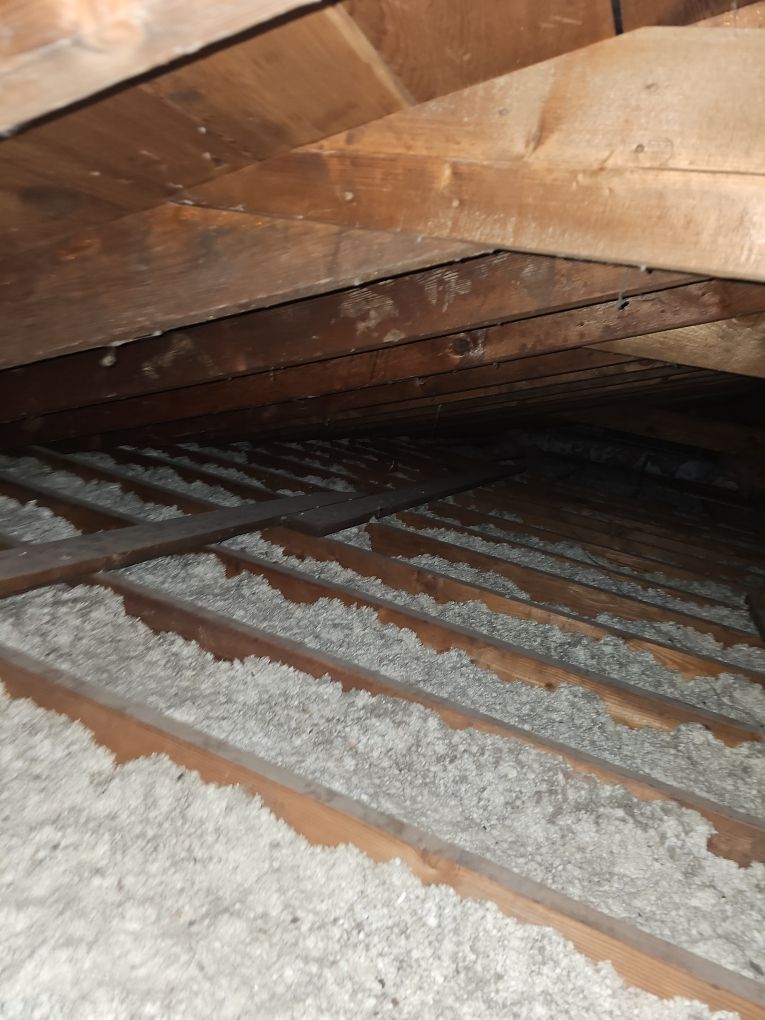
By the time the raccoons were trapped, the attic had turned into a health hazard. Their droppings had soaked into the insulation, humidity was climbing, and mold had taken hold on the ruined batting and along the nearby framing. What looked like a simple pest problem had quietly become an air quality problem for the whole home.
Here is what our crew found once we got up there:
- Shredded, compacted insulation across most of the attic floor
- Animal waste concentrated in the corners the raccoons used the most
- Visible mold growth on the insulation and a few of the roof rafters
- Gaps at the roofline where the animals had squeezed their way in
Raccoon droppings hold moisture and bacteria, and once mold finds that combination in a warm attic, it moves fast. In our St. Louis summers, an attic can turn into a greenhouse. We have watched mold spread through a home from an attic in just a few days when nobody is up there watching for it.
 |
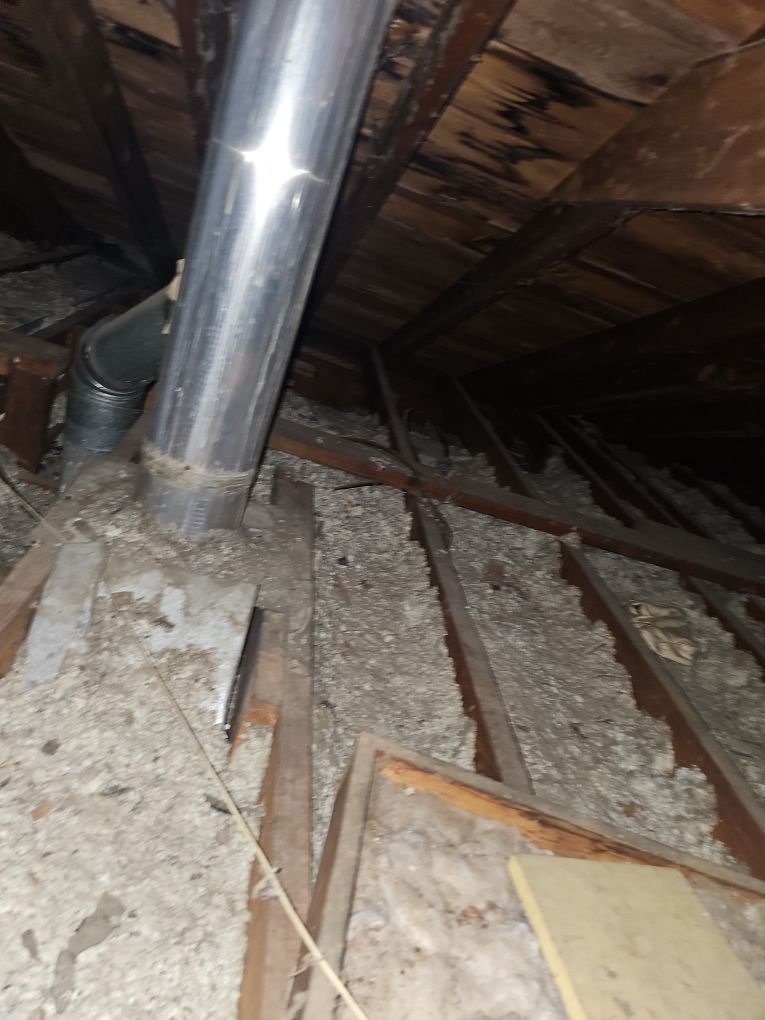 |
The attic on day one: ruined insulation, contamination, and mold taking hold.
Why the Family Was Getting Sick
Attic problems do not stay in the attic. Warm air rises through a house and pulls attic air back down through gaps around light fixtures, vents, and the attic hatch. So mold spores and dried waste rode into the rooms below. The family breathed that air every single day.
The EPA's guidance on mold cleanup is clear on this. Soaked, porous materials like insulation usually cannot be saved and need to come out. The CDC also warns that mold can bring on coughing, stuffy noses, and breathing trouble. Kids often get hit the hardest, and with two daughters in the home, we were not about to drag our feet.
Our Attic Mold and Insulation Plan
We built a plan that tackled the whole chain of problems, not just the mold. Clean out the contamination, kill the mold at its source, seal the roof so the raccoons could not come back, and replace the insulation that had been destroyed. One team, one clear sequence, no finger pointing between trades.
Our approach broke down like this:
- Set up containment and negative air so nothing spread into the home during the work
- Removed and bagged every bit of contaminated insulation, the suck out the previous company had mentioned
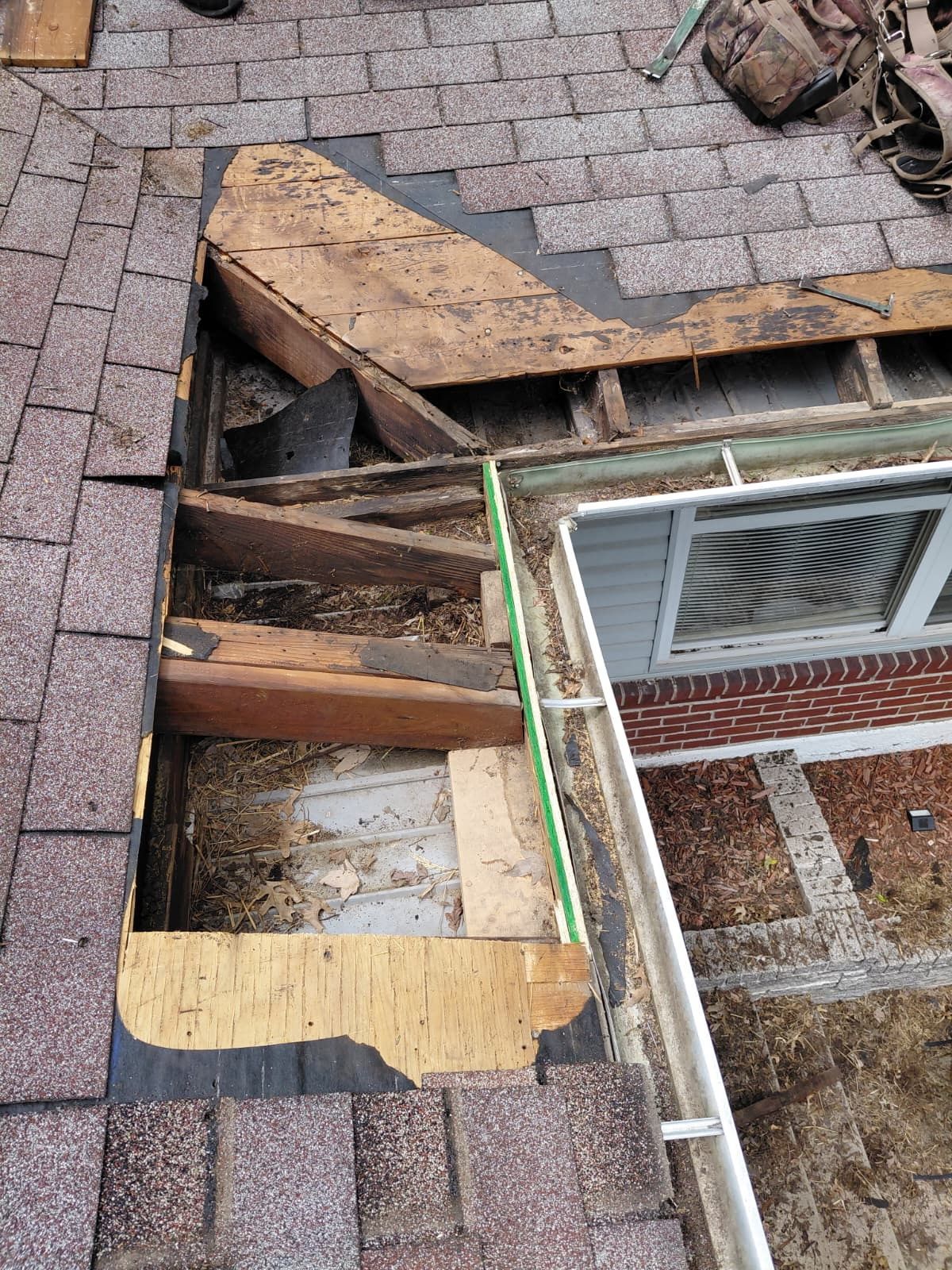
- HEPA vacuumed and wiped down the framing, then treated the wood with an antimicrobial
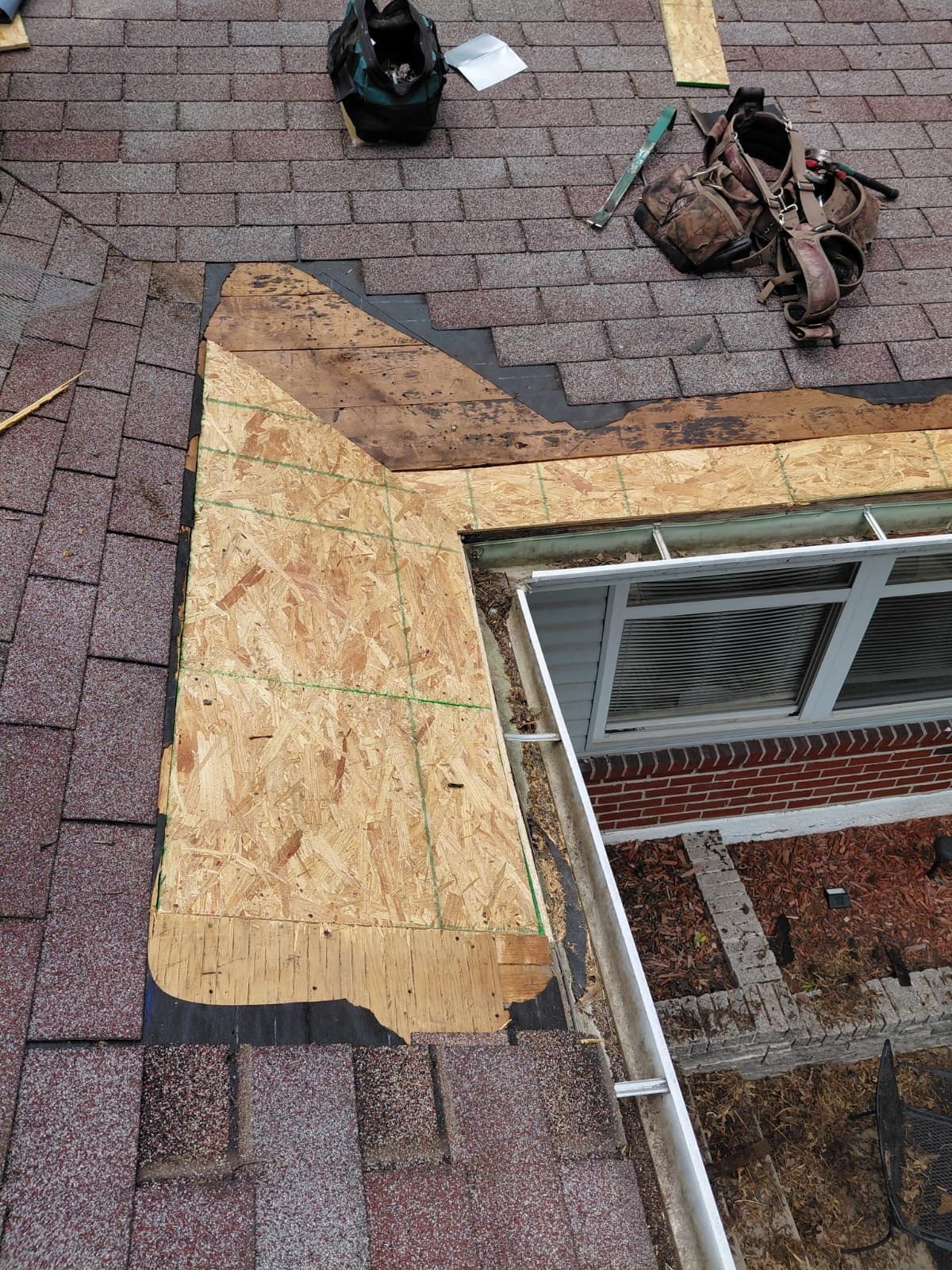
- Inspected and repaired the roof, closing the gaps that let the animals in
The roof was its own chapter. Before a single scrap of new insulation went in, our crew checked the decking and rafters for damage and sealed the entry points for good. Blowing fresh insulation over an open door just invites the next furry tenant.
 |
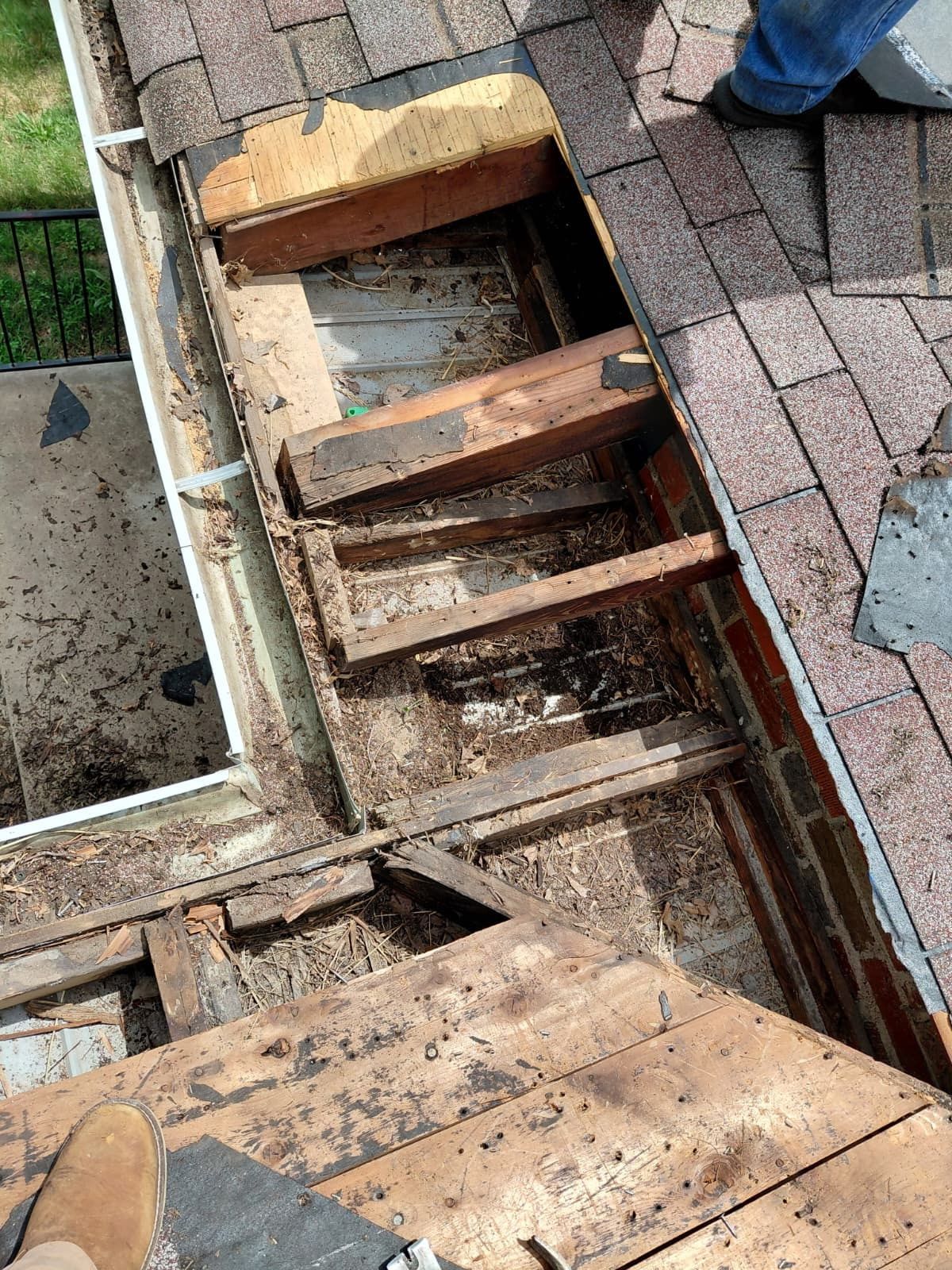 |
Sealing the roof entry points so the next raccoon stays outside where it belongs.
A Clean, Dry, Sealed Attic
By the end, the attic was clear of waste, free of active mold, sealed tight against wildlife, and packed with fresh blown in insulation. Air quality in the home improved fast, and the coughing that had scared the family started to settle down.
For our team, this one was a good reminder that pest damage and a proper professional mold inspection really do go hand in hand. Trapping the animal is only half the job. The other half is dealing with everything it leaves behind.
 |
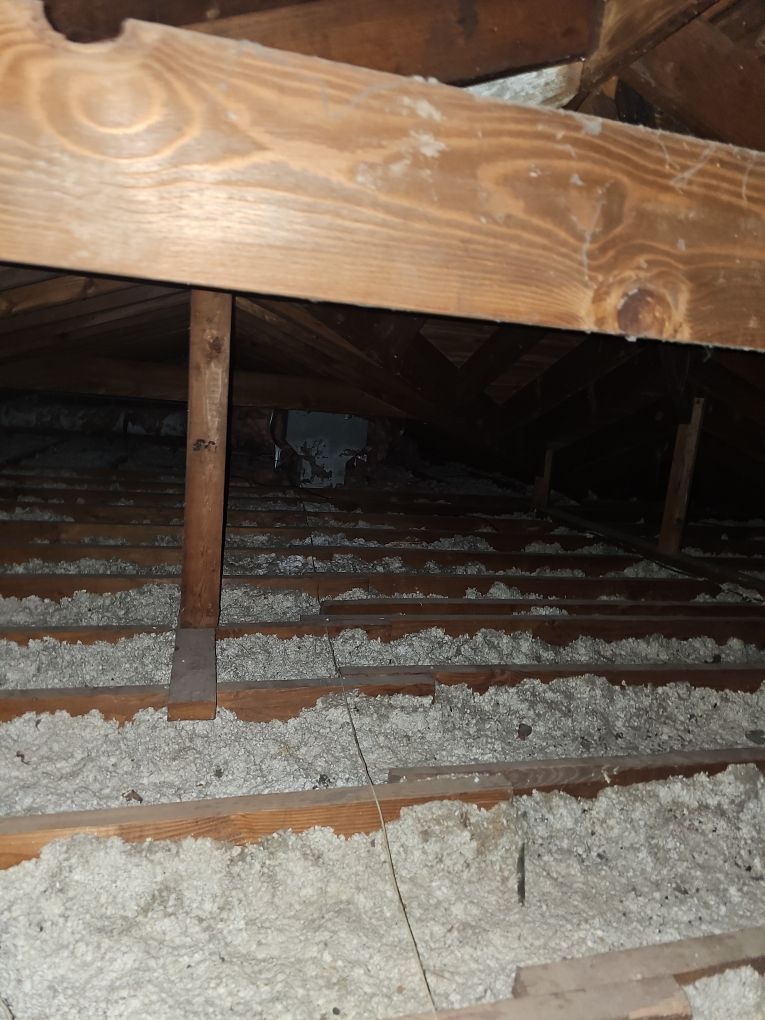 |
Treated framing and a clean deck, ready for fresh insulation.
A quick tip from our crew: if you have had animals in your attic, get it checked for mold and contamination even if it looks fine from the hatch. The stuff that makes people sick is usually the part you cannot see.
Want to understand how quickly this can happen? We break it down in our look at how fast mold grows in St. Louis humidity and the common causes of mold growth. You can also walk through another St. Louis mold remediation project from start to finish.
Breathing Easier in Your St. Louis Home
Raccoons, mold, or both at once, our team is ready around the clock. Reach out and get help from a veteran owned crew with more than 20 years of experience serving St. Louis families.
Call (314) 668-1509 Get Emergency Help
Dan and Tina Benton are the owners of ABC Environmental Contracting Services, a veteran-owned restoration company serving the St. Louis Metro East area. Together, they bring over two decades of expertise in water damage restoration, mold remediation, and asbestos removal for both residential and commercial properties. They're committed to serving their community with integrity and dedication, providing 24/7 emergency response when disaster strikes.