Mold Remediation Process: How Does It Work?
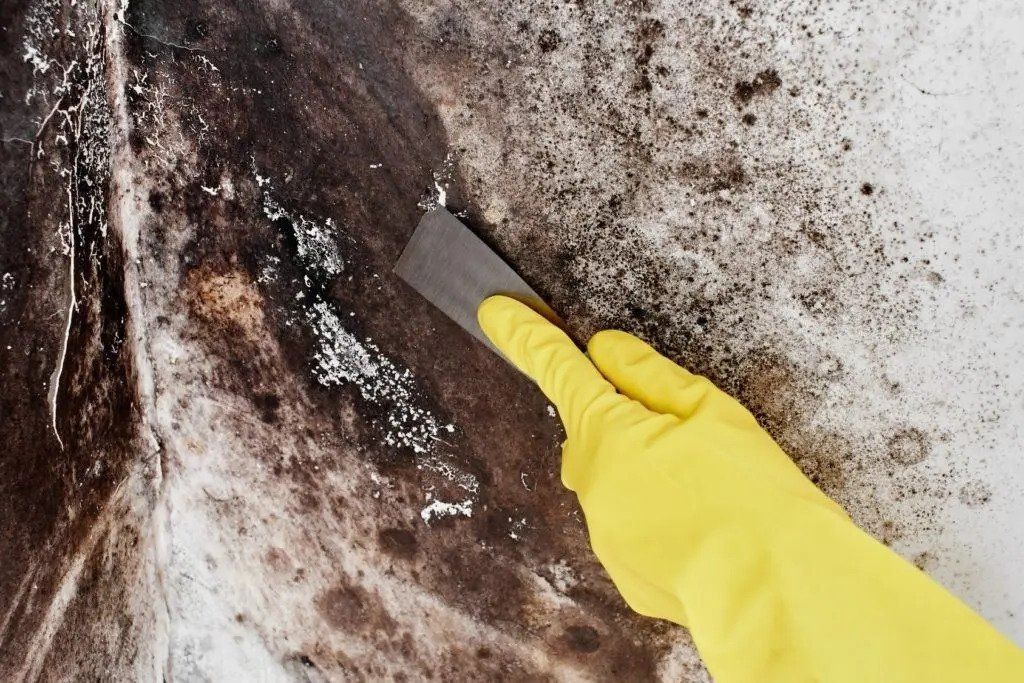
Mold remediation process is all about removing or disabling contamination in an environment to meet health or safety standards. Mold remediation aims to avoid damage, sickness, and death. It is carried out by qualified experts under the supervision of a certified mold remediation company such as ABC Environmental Contracting Services. It may need the use of specialized equipment and cleaning techniques. In certain situations, the objective may be to permanently eliminate the contamination, therefore preventing additional damage or public exposure, but before we go into the step by step process of mold remediation, let us first define mold.
What Is Mold?
Mold is technically present everywhere. Mold spores float in the air, both indoors and outdoors, and the trouble occurs when those spores establish a colony and develop in your house. Mold grows in damp conditions. As a result, experts advise maintaining the humidity level in your house or business below 45 percent. Even so, certain sections of your house or structure may become more vulnerable. If you have a leaking pipe or a wet basement, these are potential sources of a mold infestation. Mold may cause plenty of respiratory problems if left untreated, and in the worst-case situation, it can be fatal. That is why a mold remediation process is necessary.
What Happens During Mold Remediation Process
Mold remediation is a challenging operation that needs a significant amount of work, time, and skill. As a result, we will assist and show the most effective method during your mold remediation process:
- Evaluate And Formulate A Solution to The Mold Remediation Process: The first step in the mold remediation process will be to conduct a comprehensive investigation of the affected area to determine the extent of the problem. If the contamination is minor, this visit will most likely be quick. However, if the mold has spread or if the carpets and drywall must be removed, this initial stage may take longer. A mold sample may also be taken. In certain cases, this is a required step in order to determine the degree of contamination that the remediation company will be dealing with. A sample may also be required if members of your family have serious respiratory problems or other health concerns that are worsened by mold. Once the remediation team has acquired all of the necessary information and proof, it will devise a strategy for removal, cleaning, and repair. This method should be thoroughly described to you, and you should feel free to ask the removal team members any questions or voice any reservations you may have about the process.
- Stop The Water Flow: Mold adores water, therefore it is critical that you shut off its supply. There is little sense in eradicating mold if the damp, dark conditions that allow it to develop are not addressed. The technique utilized to stop the water varies on where it is coming from. If the source is hidden behind drywall, the drywall must be removed. If the source of the water is difficult to locate, most remediation companies have leak-spotting technology, such as infrared scanners, that they may employ to locate concealed water sources. Once the source of the water has been identified, the remediation team will stop the flow and fix the affected area.
- Dry Out The Affected Area: This is when the mold remediation process and repair team brings out the big guns. Expect to see industrial fans and dehumidifiers set up and running around the clock to dry up the damaged area as fast as possible. Items that cannot be thoroughly dried, such as beds or furniture, will be discarded. This is the only approach to totally eliminate the mold problem.
- Identify And Isolate The Affected Area: The contaminated area will be sealed off to prevent mold from spreading throughout the remainder of your home. For minor mold outbreaks, treatment may simply include shutting doors and opening windows. To control the spores in larger problems, the remediation experts may block off the afflicted area with plastic sheeting.
- Eradicate The Mold: When everything is completely dry, the mold removal and cleanup may begin. A variety of cleaning procedures, including the application of fungicide and the use of specialized vacuums, may be utilized. The mold remediation experts’ approach will be determined by a number of criteria, including the type of mold removed, the amount of mold removed, and the surfaces affected. Anything that cannot be cleaned will be appropriately disposed of. After cleaning, the mold remediation process may necessitate repairs to your house, such as retiling floors or repairing furniture and fabrics. Before work begins, you should go through these specifics with the remediation team.
There are many reasons why the mold remediation process and repair are jobs best left to professionals. For starters, they’re not entertaining. More significantly, an expert mold restoration firm has the knowledge and equipment required to swiftly and safely restore your home to its pre mold condition. You can rely on ABC Environmental Contracting Services to permanently remove mold from your home.
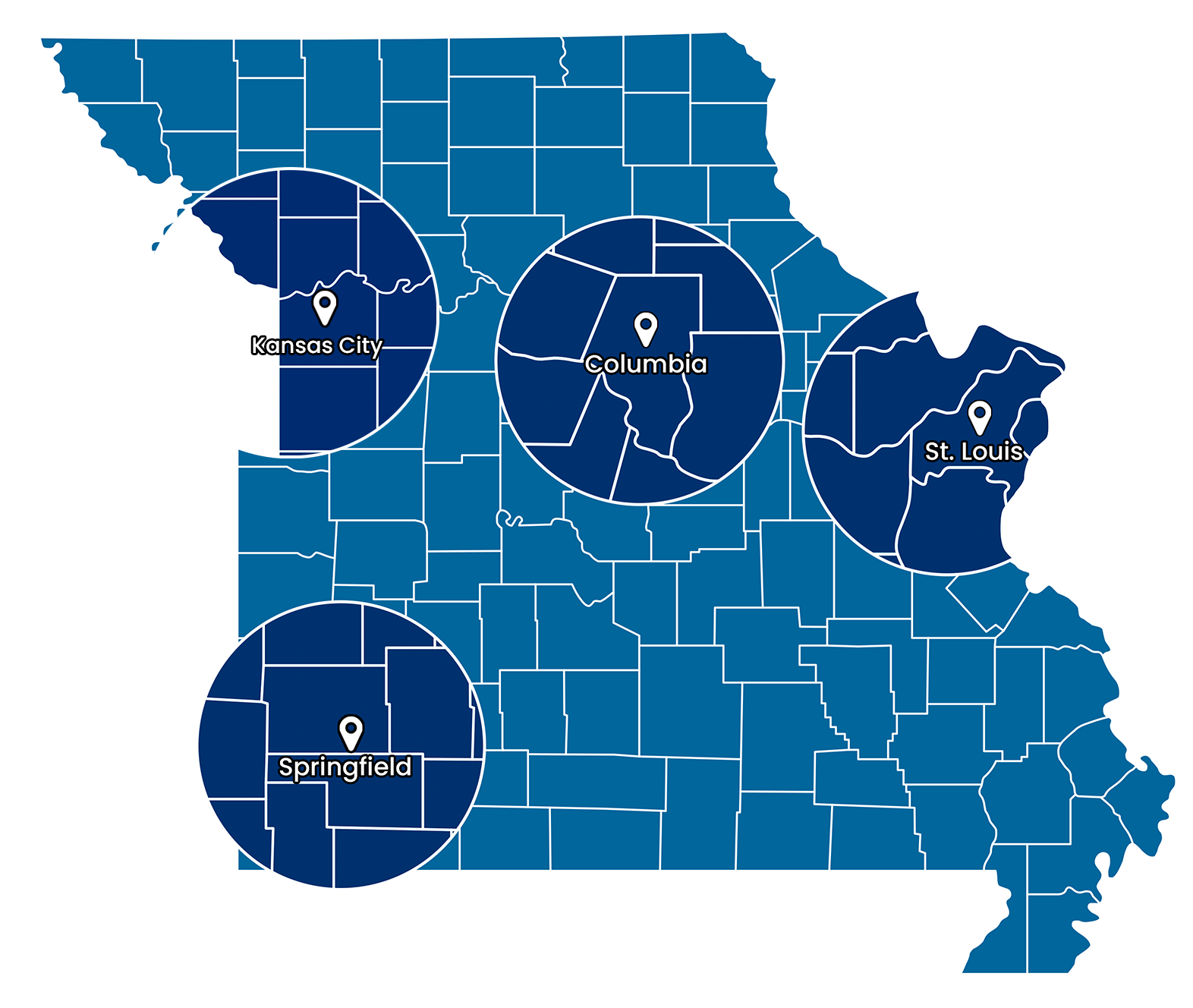
A Mold Remediation Company Serving St. Louis, MO
Contact ABC Environmental Contracting Services at (314) 668-1509 today for 24 hour water damage restoration, fire damage restoration, or mold remediation along with any of our other services or get an instant quote from our website. Our mold remediation company will get to your Missouri home and will talk about the efficient mold remediation process for your home in 30 to 60 minutes.
To learn about the causes of mold in your basement, click here!
The post Mold Remediation Process: How Does It Work? appeared first on ABC Environmental Contracting.
Dan and Tina Benton are the owners of ABC Environmental Contracting Services, a veteran-owned restoration company serving the St. Louis Metro East area. Together, they bring over two decades of expertise in water damage restoration, mold remediation, and asbestos removal for both residential and commercial properties. They're committed to serving their community with integrity and dedication, providing 24/7 emergency response when disaster strikes.