What to do after a flood in St. Charles County, MO
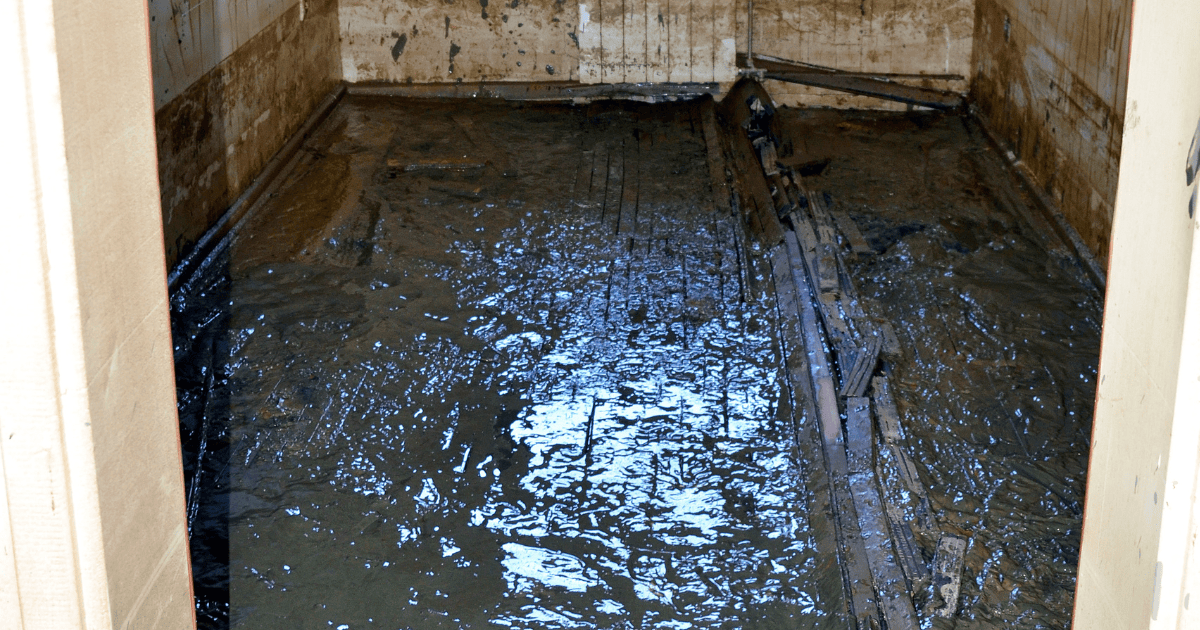
The aftermath of a flood, no matter the size, can be devastating not only for a property but also for the individuals who occupy it.
Regardless of the cause (severe weather event, a burst pipe, poor drainage, a sewage backup…), floodwater can progress rapidly and result in significant damage and costly repairs.
When dealing with flood damage at your home, fast action is always necessary. Not only will this help to limit the damage and overall cost of repair, it will also protect the safety of the building’s occupants.
This is why it’s so important to know what to do - or who to call - when flooding hits. It could, both figuratively and literally, help keep your head above water.
Take precautions before entering a flooded property
Floodwater can be dangerous for many reasons:
- Contamination. Floodwater often carries various contaminants, including sewage, chemicals and bacteria, which can cause infections and diseases. These contaminants can enter the body through open wounds, ingestion or inhalation.
- Hidden dangers. Standing water can also hide many dangers, such as debris, sharp objects and uneven surfaces, potentially leading to injury.
- Electrical hazards. Floodwater can also pose electrical hazards, as it can come into contact with power lines and other electrical equipment, increasing the risk of electrocution.
- Structural damage. Water damage can weaken and damage a building’s structure, making them unstable and prone to collapse.
It’s therefore important to consider everyone’s safety before entering a flood-hit building and to follow the instructions of emergency services and local authorities during flooding situations.
That said, even if the area has been cleared to enter, be sure to take precautions.
If it was a natural flood, check if any drains are blocked. Sandbags can also be used to redirect any water flow and prevent it from further entering the property or getting closer to important infrastructure or appliances.
However, if the flood was man-made (caused by a burst pipe or overflowing appliance, for example), turn off the water source as quickly as possible, if not already done. This will prevent further water damage and give time to assess the situation.
Then, once safety is assured and there is no immediate, ongoing threat, professional help should be called in.
Bring in water damage restoration experts
Although it’s possible, of course, for home and business owners to take on water damage restoration and repair projects themselves, if the flooding is severe or there’s a concern about mold or structural damage, it’s best to leave the restoration to the experts.
As the most significant damage is often caused in the first 24 hours, don’t hesitate to call a water damage restoration expert. Time is of the essence in these situations and experts must be on site as soon as possible.
That’s because water damage doesn’t just threaten the structural integrity of any building, dangerous mold and mildew can spread fast in a flooded house. And once it starts growing, it can pose significant health risks and be very costly to remove.
However, when contracting water restoration experts like ABC Environmental Contracting Services, their timely and targeted approach will minimize the consequences of flood damage.
The water damage restoration process
When contracting water damage restoration experts to deal with a flooded house, they will generally follow a set procedure.
- Isolate the source. If not done already, the technicians will isolate the source of the water to address leaks. This may mean turning off the main water supply.
- Remove standing water. Flood cleanup experts have specialist equipment to deal with standing water. If the water is shallow, a wet-dry vacuum can remove it. However, if it’s deep, a submersible pump may be used.
- Dispose of debris. The next stage is to remove external debris or mud (if any) that was dragged in by the floodwater. This has to be done safely and in accordance with waste disposal regulations.
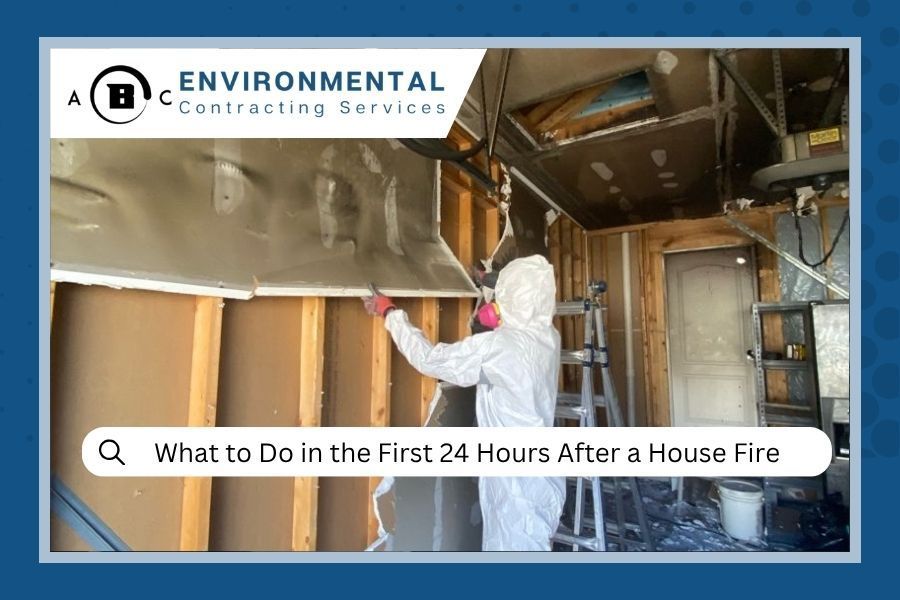
- Assess for material damage. Once the standing water is controlled and removed, water damage experts will search for signs of material damage. Paneling, drywall, flooring, or subflooring may need to be removed if the damage is substantial, as well as carpets and upholstery to prevent mold growth.
- Dry the affected area. To limit damage and salvage as much as possible, industrial fans and dehumidifiers should be used to dry the area as quickly as possible. Windows and doors should also be opened to improve ventilation.
- Clean and disinfect. In order to prevent the growth of mold and other bacteria, it’s vital to disinfect any surfaces that have come into contact with floodwater. Technicians will then clean, sanitize and deodorize affected areas to kill any bacteria or fungi that had begun to germinate in the moist areas.
- Damage repair and restoration. Water damage restoration technicians can take care of any necessary repairs to walls, floors, ceilings, roofs or foundations.
- Complete the insurance claim. The scope of the repairs will depend on the extent of the damage, the restoration budget and insurance coverage. ABC Environmental Contracting Services is insurance-approved and will work directly with insurance providers to help clients save time and effort filling out forms and documenting the flood damage restoration process.
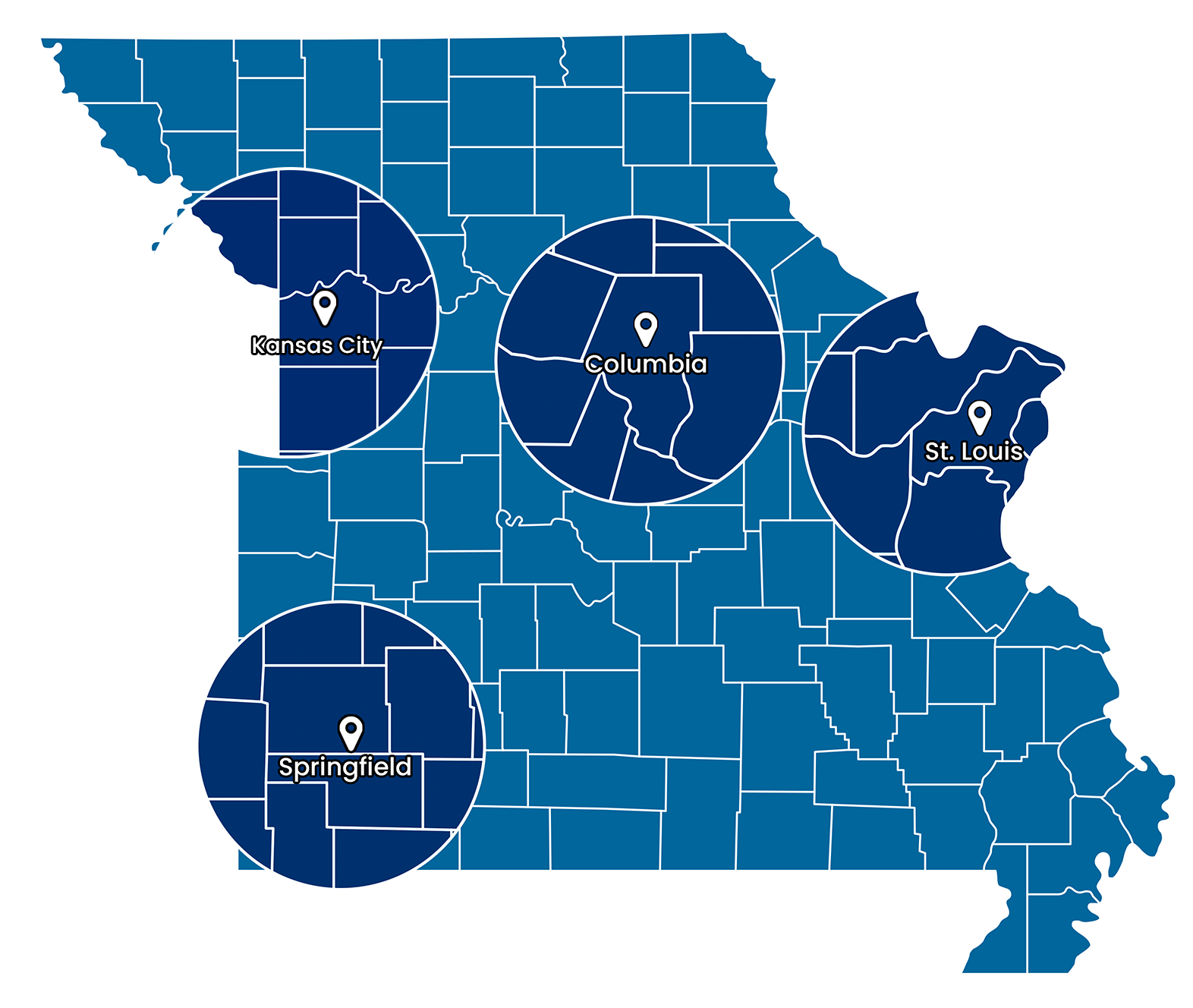
Emergency flood response in St. Charles County, MO
ABC Environmental Contracting Services responds to all flood damage restoration jobs in a timely manner.
With experienced and qualified technicians on standby 24/7, help can quickly be on the scene of a flooding emergency in St. Louis, Florissant, Chesterfield, University City, Wildwood, Wentzville, O’Fallon, Hillsboro, Festus, Arnold, De Soto, Crystal City, Alton, Granite City, Edwardsville, Highland, Belleville, O’Fallon, Collinsville or Fairview Heights. That way, cleanup and restoration can begin straightaway, quickly restoring the property to pre-loss condition.
ABC Environmental Contracting Services has over 10 years of experience in flood damage restoration.
Call (314) 668-1509 now to speak to the experts who understand water emergencies.
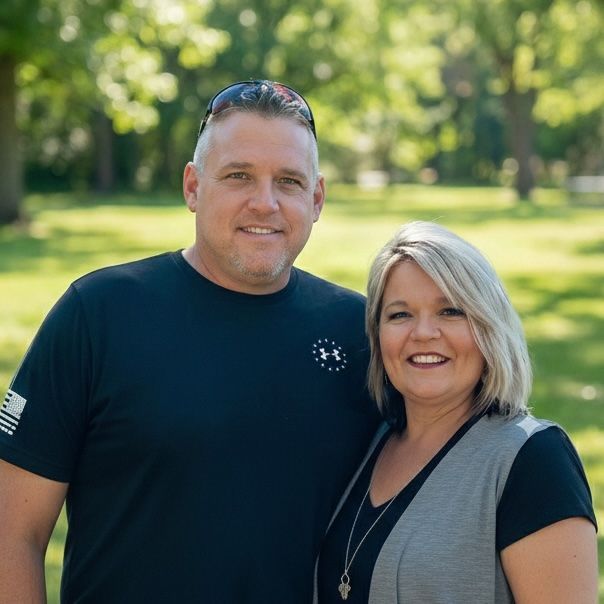
Dan and Tina Benton are the owners of ABC Environmental Contracting Services, a veteran-owned restoration company serving the St. Louis Metro East area. Together, they bring over two decades of expertise in water damage restoration, mold remediation, and asbestos removal for both residential and commercial properties. They're committed to serving their community with integrity and dedication, providing 24/7 emergency response when disaster strikes.