Homeowner's Guide To Water Damage Cleanup
Water damage isn't something you plan for, but it's also something you need to address as soon as it happens. Waiting to handle water damage issues can cause more property damage and end up costing you more to repair the longer it's left to sit. It may be tempting to take on repairs yourself, but it's often best to get a professional restoration team involved. For those in the area, consider reaching out to a reputable
water damage restoration in St Louis. No matter how you plan to go about your repairs, here are some essential water damage cleanup tips you'll want to know before you get started.
1. Disconnect All Outlets
It may seem obvious, but you should disconnect outlets before doing anything else. It's best to be cautious around any electrical and gas appliances, such as washing machines. If you use any such devices in a water-damaged space, you risk electrical shocks and, worst-case scenario, explosions. This is especially true in natural disasters, which can lead to burst pipes and structural damage.
2. Remove Damaged Material
Materials like insulation and carpet will grow mold and mildew quickly after being soaked by various types of water damage. You'll want to dispose of these as soon as possible before they can produce dangerous molds that may spread through your home. Unsealed cement, drywall, and wood are also at risk of needing replacement depending on the extent of the
water damage. Also, remove standing water immediately.
3. Inspect For Mold
While you may have removed the most likely materials to mold, like carpet and insulation, that doesn't mean nothing else is at risk. You should check air conditioner vents, walls, and floors for signs of mold and mildew. Mold spores and mold growth are something you should watch out for throughout the restoration process, as mold can grow and crop up at any time. If you find any infected spaces, bag the moldy materials and throw them away.
4. Communicate With Insurance
Another often forgotten step when working on water damage restoration is to involve your insurance company. Involving your insurance will help ensure your claim goes through and that things are covered as stated in your policy, saving you money in the restoration process.
Keeping insurance informed is something you should do from day one, as soon as you find water damage, before looking for a restoration company, deciding who to call for emergency water damage cleanup, or buying materials to handle the DIY project.
5. Dry Everything Out
Another one of the water damage cleanup tips that may seem obvious is getting everything drying out as quickly as possible. Drying out your property could mean using industrial fans or even dozens of box fans. You can also use a giant dehumidifier to help circulate the air and dry out carpets, woods, or other flooring materials. Getting things dried out as quickly as possible will prevent further chances of mold, mildew, and additional lawsuits.
6. Make Repairs Your Top Priority
It can be easy to let a repair project slip to the back burner. This is especially true if you're planning to take the do-it-yourself route rather than hiring someone to handle it for you. The longer you leave water damage to sit, the more expensive and difficult it becomes to repair. In some cases, if the damage is left long enough, restoration is no longer an option. When this happens, you'll have to replace more than you intended to restore, which will likely cost you thousands more.
7. Prevent Future Water Damage
No one wants to deal with water damage once, let alone on a recurring basis. So, before you call your restoration complete, determine whether you've prevented yourself from running into the same problem in the future. Have you only worried about repairing the damage done, or have you replaced any pipes that might burst? Taking the time to look through your home for other potential leaks will help you avoid going through the mitigation and restoration process again any time soon.
Read About Emergency Water Cleanup Myths
Why You Should Call the Professionals
Water damage cleanup is never an easy task to handle. From moving quickly and efficiently to getting it done right the first time, there are many reasons that you might want to hire a team of professionals to handle it for you. Often, it's easier to call professionals than to try and control your water damage problems yourself. While you can get your home ready using the tips in this article, your best move is always going to be to hire someone experienced in treating water damage.
Whether you've hired someone to take care of mitigation and restoration or are taking the DIY approach, these water damage cleanup tips will help ensure the process goes smoothly. After all, the most important thing is to avoid further damage while cleaning the property to repair damages.
ABC Environmental Contracting Services offers water damage cleanup services for residential and commercial properties.
Request a free estimate today.
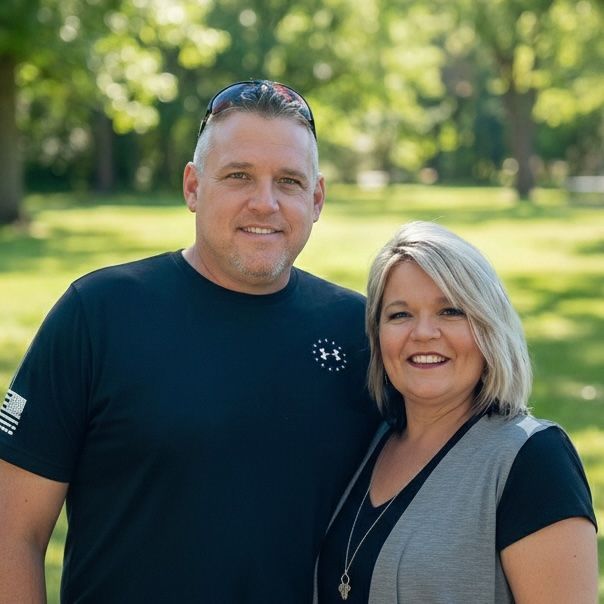
Dan and Tina Benton are the owners of ABC Environmental Contracting Services, a veteran-owned restoration company serving the St. Louis Metro East area. Together, they bring over two decades of expertise in water damage restoration, mold remediation, and asbestos removal for both residential and commercial properties. They're committed to serving their community with integrity and dedication, providing 24/7 emergency response when disaster strikes.