


When part of an older St Louis home gets rebuilt, the new work usually has to meet today’s building codes, not the rules from the year your house went up.
That’s why a rebuild after fire or water damage often comes with upgrades nobody planned for. Think of it as your house getting a mandatory software update.
Good news: it doesn’t have to be a shock. Our team at ABC Environmental Contracting Services is veteran-owned. Between us, we have over 20 years of experience opening up old plaster walls around the metro. Here’s what to expect.
Why Does Rebuilding an Older Home Trigger Code Upgrades?
Rebuilds trigger code upgrades because permitted work has to meet the code in effect today.
Old features can usually stay as long as nobody touches them. That’s what people call being grandfathered. Once a wall is opened or a system is replaced under a permit, the new work gets held to current standards.
Here’s a local wrinkle. Missouri has no statewide code for single-family homes. The City of St Louis, St Louis County, and many smaller towns pick their own, mostly based on the International Residential Code.
So the rules for a South City two-family can differ from a Florissant ranch. Know which building department you’re dealing with before work starts.
St Louis Has Always Rebuilt Smarter After Disasters
After the Great Fire of 1849 tore through the riverfront, the city pushed builders toward brick and stone. That’s part of why so many older neighborhoods are brick today. Codes still get stricter each time we learn what keeps people safe.
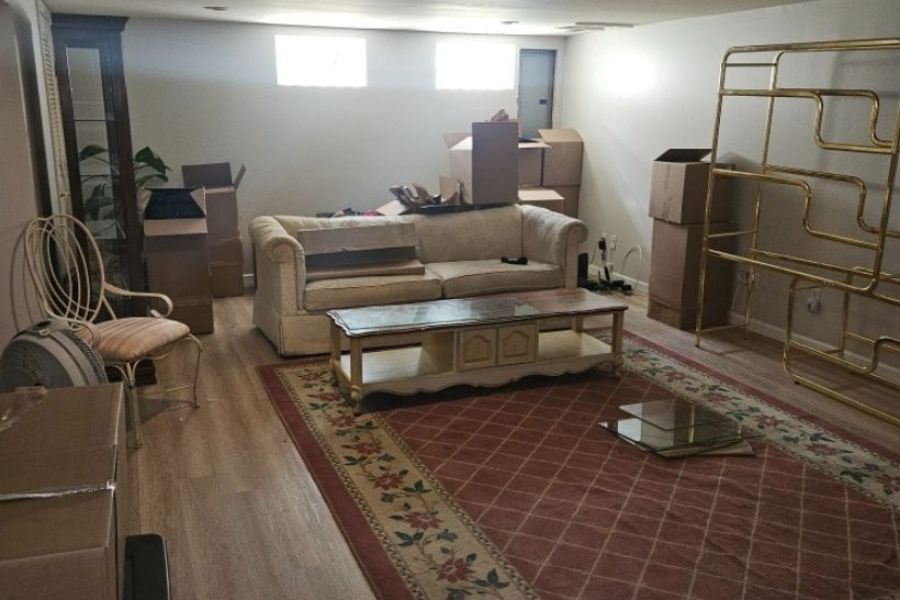
Basement rebuilds after water damage often run into current code, from new wiring to escape windows.
We handle cleanup, testing, and the rebuild, so you’re not juggling three crews. We’re here 24/7.
What Code Upgrades Should You Expect in an Older St Louis Home?
The most common upgrades in older St Louis homes involve wiring, smoke alarms, framing, and insulation.
These systems have changed the most since homes here were built. If your rebuild opens walls or ceilings, expect at least one or two of them to come up at inspection.
Older Home Features vs. Today’s Code
| What You Have Now | What Code Usually Wants | When It Comes Up |
|---|---|---|
| Knob and tube wiring or two-prong outlets | Grounded wiring with AFCI and GFCI protection | Walls or ceilings opened for rewiring |
| One battery smoke detector in the hall | Alarms in each bedroom and hall, plus CO alarms | Most permitted repair work |
| Balloon framing with open wall cavities | Fireblocking at each floor level | Framing exposed during demo |
| Empty exterior walls behind plaster | Insulation in open wall cavities | Outside walls opened up |
| Small basement windows | An escape window or door for any bedroom | Rebuilding a basement bedroom |
The Two Upgrades That Surprise People Most
Wiring
Knob and tube wiring rarely survives a rebuild. Inspectors usually want new circuits with AFCI and GFCI protection, which cut power when they sense sparks or a shock risk. Your 1920s bungalow has charm. Its wiring, not so much.
Smoke and Carbon Monoxide Alarms
Permitted repairs usually mean bringing smoke alarms up to new home standards. That can include alarms in every bedroom, plus carbon monoxide alarms near sleeping areas. Simple upgrade, big payoff.
Why Should Asbestos and Lead Testing Come Before a Rebuild?
Testing comes first because older homes often hide asbestos and lead in the exact materials a rebuild tears out.
Plaster, floor tile, pipe wrap, and old paint can all contain them. Disturbing those materials without a plan can spread dust through the house and stall your project.
According to the EPA’s guidance on asbestos exposure, the risk rises when these materials get damaged or disturbed. So we start with professional asbestos testing before any demo. Curious? Here’s where asbestos hides in older St Louis homes.
Lead is the other big one. Homes built before 1978 may have lead paint. The EPA’s lead-safe renovation rules require certified firms for paid work that disturbs it. Our crews follow those practices.
Who Pays for Code Upgrades After a Fire or Flood?
Code upgrades are often covered only if your policy includes ordinance or law coverage.
Without it, many standard homeowners policies pay to rebuild what you had, not what code now requires. That gap catches plenty of people off guard. Check your policy before you need it.
If you’re filing a claim now, ask your adjuster about ordinance or law coverage right away. We document every required upgrade with photos and inspector notes. That makes the talk much easier. More on that in our guide to filing a fire damage insurance claim in Missouri.
How Does a Code-Compliant Rebuild Work, Step by Step?
A code-compliant rebuild follows a set order: stabilize, test, open up, permit, then rebuild with inspections along the way.
Skipping ahead is where most surprises come from. Following the order keeps your inspector and adjuster on the same page. Tap each step below for the details.
Stabilize and Dry Out
Board-up, water removal, and drying stop the damage from spreading. Code talk comes later.
Test for Hazards
Asbestos and lead testing tells us what can come out safely, and how.
Open Up and Assess
Damaged materials come out, and we see what’s behind the walls. Code issues show up here.
Plan and Permit
We map out required upgrades, pull permits, and share the scope with your adjuster.
Rebuild and Inspect
Inspectors check framing, wiring, and plumbing before walls close, then sign off at the end.
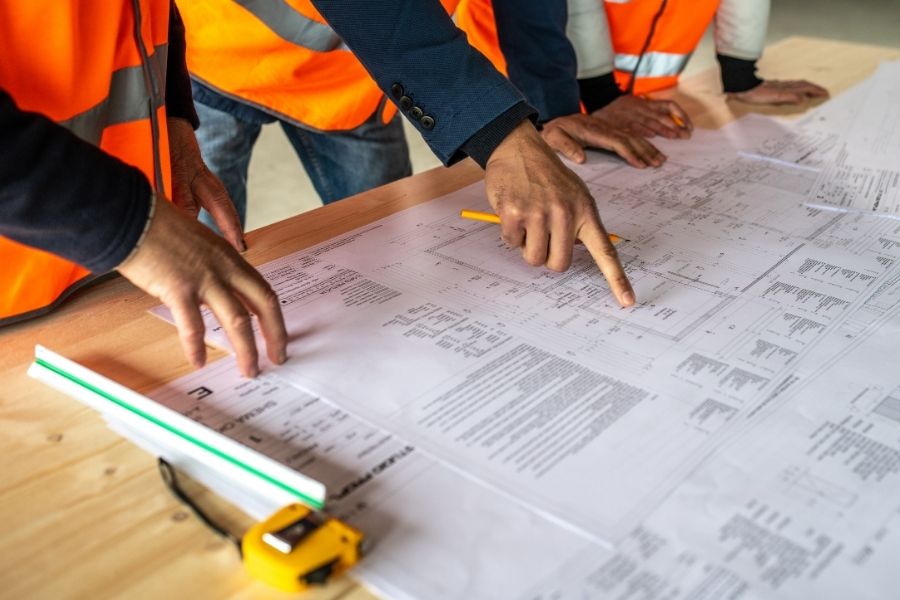
Inspections before walls close confirm the new work meets current code, protecting your family and resale value.
Want the bigger picture? Our post on the two phases of fire recovery explains how cleanup and rebuilding fit together.
Our team at ABC Environmental Contracting Services handles testing, permits, and reconstruction under one roof. We’re veteran-owned and available 24/7 across the metro. Call us anytime at (314) 668-1509.
Rebuild and Building Code FAQs
Here are quick answers to the code questions St Louis homeowners ask us most during a rebuild.
When in doubt, ask before the walls close, not after.
Will the inspector make me upgrade my whole house?
Usually not. Most requirements apply only to the area being worked on. Smoke alarms are the usual exception. Many local codes want them throughout the home after permitted repairs.
Can I skip the permit to avoid code upgrades?
We don’t recommend it. Unpermitted work can cause trouble with insurance claims and home sales. And nobody checks that the wiring behind your walls is safe.
What if my home is in a historic district?
In the City of St Louis, homes in local historic districts can face extra review for outside changes like windows, doors, and brick. We check early so the plan fits both sets of rules.
Who handles permits and inspections during a rebuild?
In most cases, your contractor does. Our team pulls the permits, schedules inspections, and walks inspectors through the work, so you can focus on getting back home.


